

Breast Cancer Surgeon and Survivor Advocates for Awareness
Key Takeaways:
- OhioHealth breast cancer surgeon and survivor Dr. Deepa Halaharvi shares her personal journey to raise breast cancer awareness.
- Early detection and regular mammograms are essential for breast health, even for women without a family history of breast cancer.
- Advances in breast cancer treatment and genomic testing offer patients more personalized care options and improved outcomes.
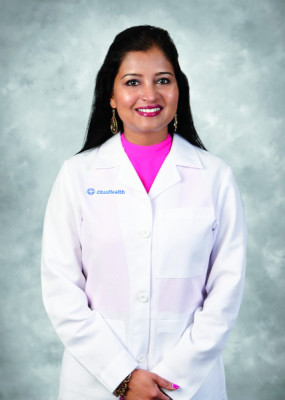 October is Breast Cancer Awareness Month, serving as a reminder of the importance of early detection and understanding breast health. For an OhioHealth breast surgeon, the month holds a deeper personal significance.
Deepa Halaharvi, DO, breast cancer surgeon, survivor and the OhioHealth Foundation Endowed Chair for Breast Health, recently joined Spectrum News to share her experience with breast cancer and encourage women to take an active role in their health. Just eight months into her career as a breast surgeon, Halaharvi was diagnosed with breast cancer in 2015.
Despite her medical knowledge, Halaharvi found herself experiencing many of the same emotions that her patients face when receiving a diagnosis.
"I had all those feelings that people go through when they get told that they have breast cancer," Halaharvi told Spectrum News. "I'm no different, even though I'm a breast cancer surgeon. I still had to go through those emotions when I was diagnosed."
Since her diagnosis, Halaharvi launched “The Breast Cancer Podcast” to educate others on the misconceptions about breast cancer and connect patients with trusted medical experts all around the world. Today, the podcast reaches listeners in 147 different countries.
Through the podcast and her social media, Halaharvi hopes to correct one of the biggest misconceptions that women without a family history of breast cancer are not at risk.
"85 to 90% of the people who get diagnosed with breast cancer do not have family history. I'm one of them," Halaharvi said. "But family history or not, you still should be getting checked and getting screened."
Halaharvi encourages women to begin screenings as early as possible and have conversations with their healthcare providers about preventive care for breast health. Mammograms generally begin at the age of 40 for women at average risk, while those with a family history or other risk factors may need to screen earlier. She also stresses the importance of noticing breast changes and contacting a doctor if a lump or other concern develops.
Advancements in breast cancer treatment have provided patients with more personalized care options. Halaharvi explained that genomic testing can help determine whether chemotherapy is absolutely necessary or if there are other treatment options.
"If you get diagnosed at early stage, the prognosis is really good," Halaharvi said. "You may need lesser treatments in terms of surgery and medications and chemotherapy."
Halaharvi continues to use her experience as both a breast cancer surgeon and survivor to make a difference beyond the medical office. Throughout the rest of October, she is sharing daily breast health tips on social media and using her podcast and community involvement to encourage women to prioritize their health and recognize early signs of breast cancer.
If it’s time for your mammogram, click here to schedule.
