

FDA approves new stroke treatment, OhioHealth doctor reflects on game-changing drug
A treatment once reserved for heart attack patients is now changing the game for stroke care.
Earlier this year, the FDA approved the use of TNKase (tenecteplase) for adults experiencing an acute ischemic stroke, a move that followed years of research, including a study launched by the OhioHealth Research Institute nearly four years ago. While TNKase has been used to break up coronary clots during heart attacks, physicians are now turning to it as a faster, more effective way to treat stroke patients.
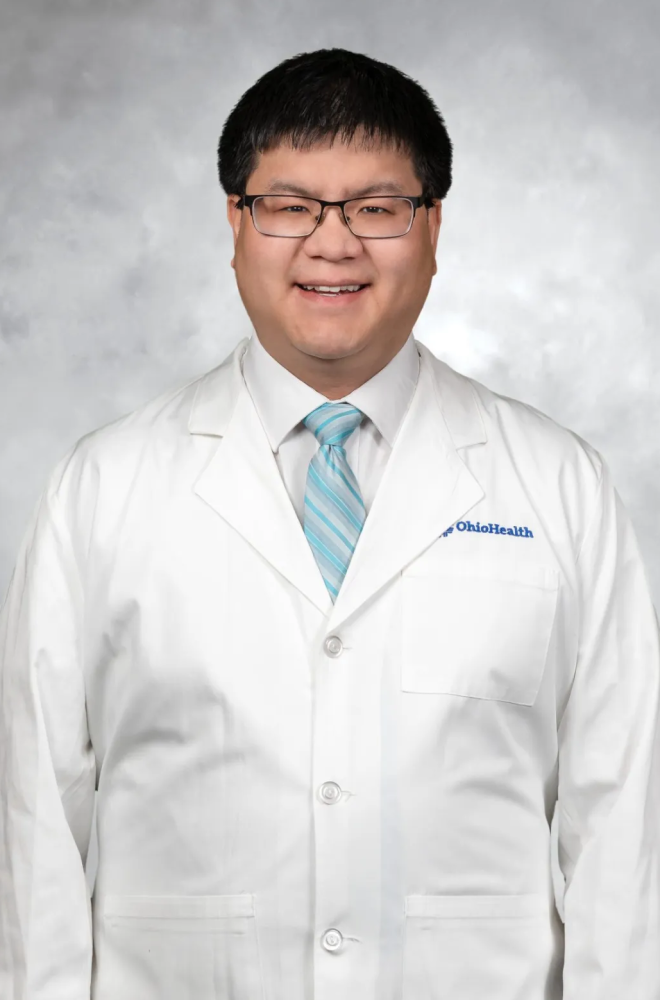
Ambrose Wu, MD, EMS medical director for OhioHealth Shelby Hospital and OhioHealth Mansfield Hospital, has been using TNKase in clinical practice since 2021, with the first patient treated at Shelby Hospital. The results were almost immediate.
“The main thing is improvement of cognition and improvement of speech,” Dr. Wu told the Richland Source. “The motor deficits, facial droop and arm drift, those sorts of things require rehab. But to see improved cognition and speech in that short amount of time was quite phenomenal.”
That first patient began showing signs of recovery within the time it took a helicopter to arrive for transport to OhioHealth Riverside Methodist Hospital.
“The sooner that you can get this medication on board and break up that clot, you can save brain cells from dying,” Dr. Wu said. “The first few hours (of care) don’t look that different. Whether you’re in Shelby’s, Mansfield’s or Riverside’s emergency room, you get the same high-quality physician and nursing care.”
Prior to the FDA’s approval of TNKase, physicians needed to explain the drug’s investigational use to patients and families in the midst of a medical emergency while obtaining consent.
“It’s a lot to explain to a patient in the heat of the moment when everything is geared toward trying to get this medication into their arm as fast as possible,” Dr. Wu said. Now, with federal approval in place, those conversations are smoother and patients can receive treatment faster.
TNKase offers several advantages over its predecessor, alteplase (tPA). It’s easier to administer and has better side effects.
“Not everybody that receives either of these medications is going to necessarily get better from a stroke,” Dr. Wu said. “But a higher percentage of people that get TNKase get better versus the old medication.”
Dr. Wu, who previously spent time at OhioHealth Grant Medical Center, said it’s remarkable that a smaller hospital like Shelby has the ability to provide this modern, cutting-edge care. Shelby also works closely with EMS teams in the area, encouraging them to bring stroke patients to Shelby if it's the nearest option.
“I think it’s an exciting time and I think it validates our practice at OhioHealth. As we know something is working, we can make changes and give our patients the best.”

