How OhioHealth Teams Kept Athletes and Visitors Safe at 2026 Arnold Sports Festival
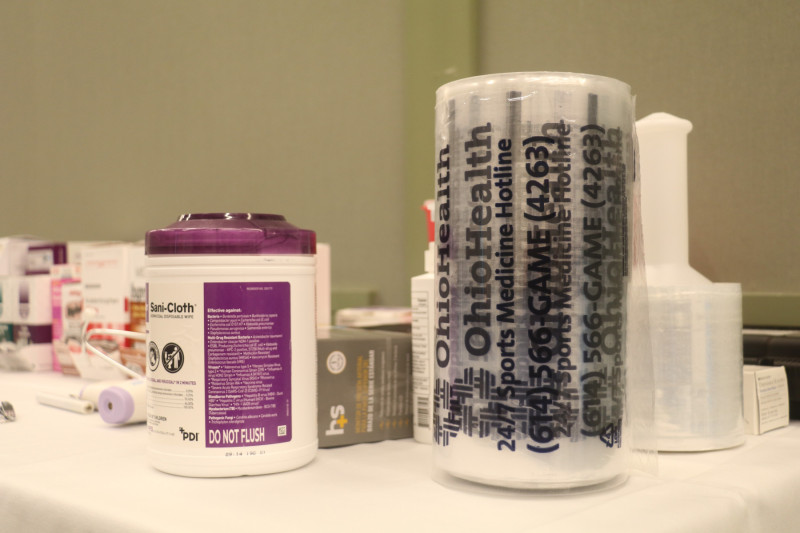
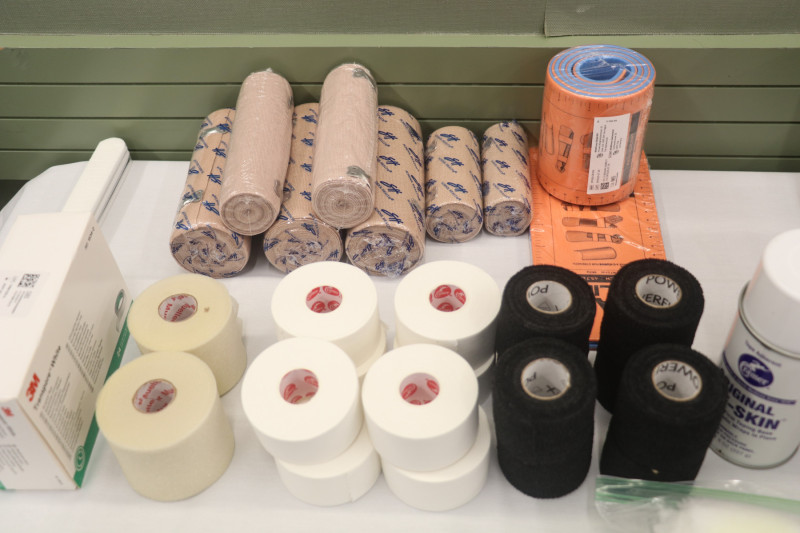
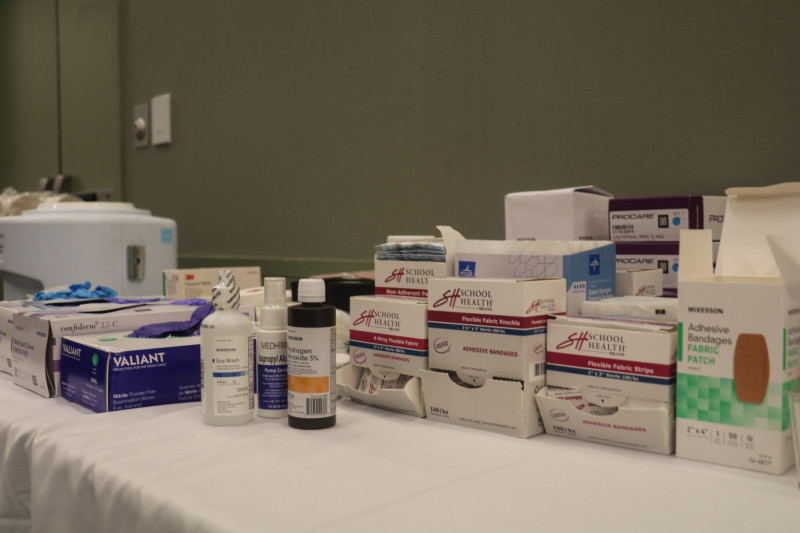
The Arnold Sports Festival is one of the largest fitness events in the world and has been held annually in Columbus since 1989. Originally, the event started as a bodybuilding competition, but over time it has expanded to include a variety of sports. The event took place over the weekend at the Greater Columbus Convention Center, and OhioHealth took a large initiative to support athletes and provide quality medical care.
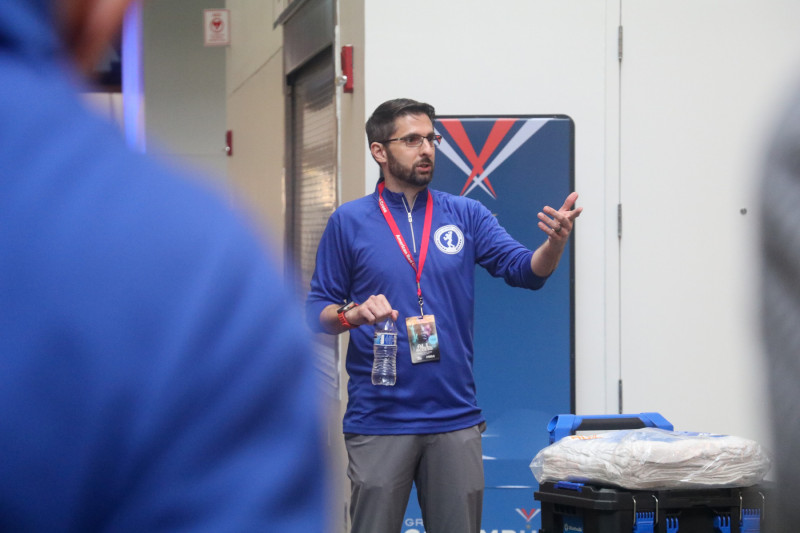
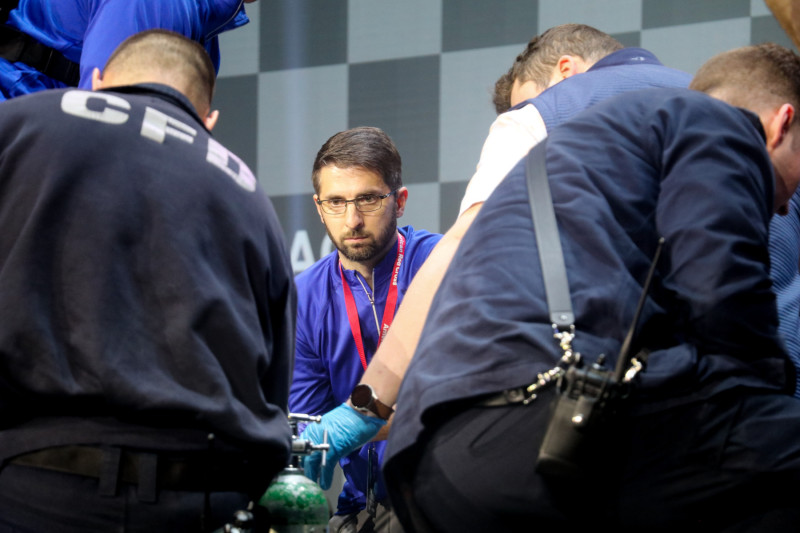 “Our top priorities are to ensure the safety of all the participating athletes across all the venues in the Greater Columbus Convention Center and the three buildings at the Ohio Expo Center,” said Ben Bring, DO, OhioHealth Dublin Methodist Hospital, family and sports medicine. “We provide medical care to several thousand athletes from all over the world and help coordinate care along with Columbus Fire. For this year, we continue to revise and edit our emergency action plan and how we will plan on triaging and treating athletes”.
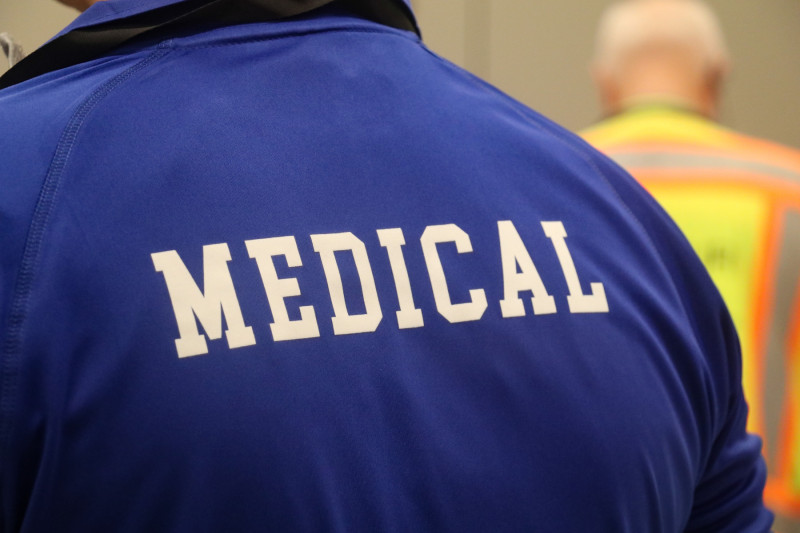
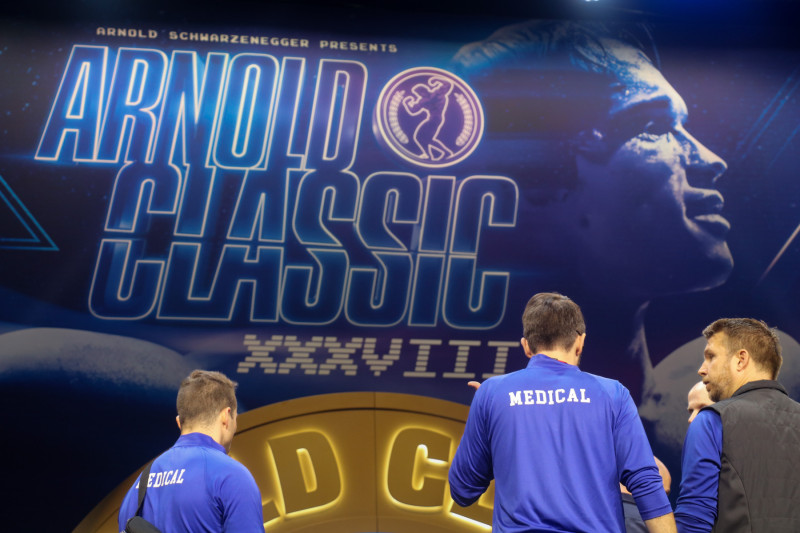
Dr. Bring has served as the medical director for the Arnold for five years, and he has volunteered for the event since 2013. This year, there were over 100 OhioHealth associates on the medical team, including athletic trainers, attending physicians in family medicine, sports medicine, and emergency medicine, resident physicians and nurse practitioners.
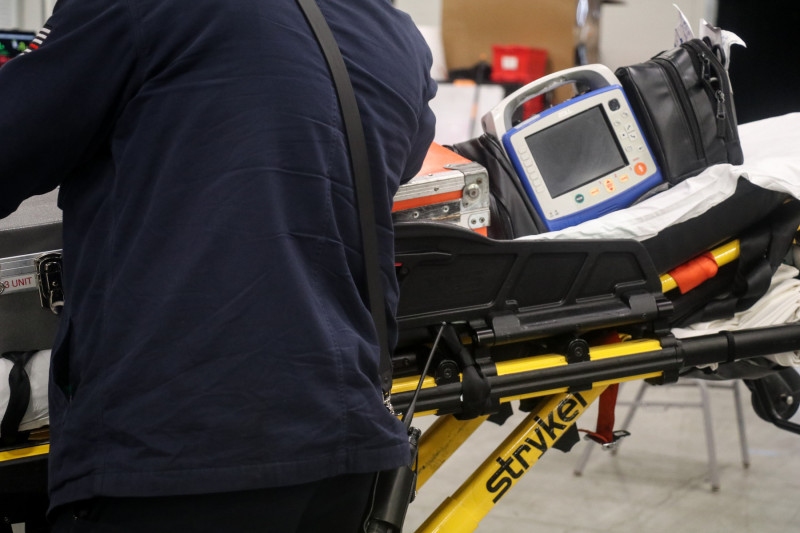
To help with the coordination of the medical team and first responders, COTS provides critical support that ensures effective and efficient care.
Jodi Keller, Director of Healthcare Emergency Preparedness and Response at COTS, explains the role that COTS has in having open communication during such a large athletic event.
“We run the coalition in central Ohio and southeast central Ohio, so we have 41% of the counties in Ohio that full under the COTS umbrella for emergency preparedness and response,” Keller said. “Anybody who may have some role in a disaster response that has something to do with health care”.
The assistance that COTS provides extends beyond hospitals, as they are helping to bridge the gap between various health care sectors such as dialysis centers, physicians’ offices and EMS. These collaborative efforts help to give patients the best care possible.
“We will obtain bed availability from all of our hospitals in the entire region, so that we know who has open beds before the Arnold even starts. They’ll update their available beds twice a day and how busy their emergency departments are. Then we’ll put a situational report together for our first responders, so they know what hospitals have open beds or what hospitals are already busy,” Keller said. “It gives better situational awareness for everyone when everybody is on the same page and has that same knowledge of what’s going on”.
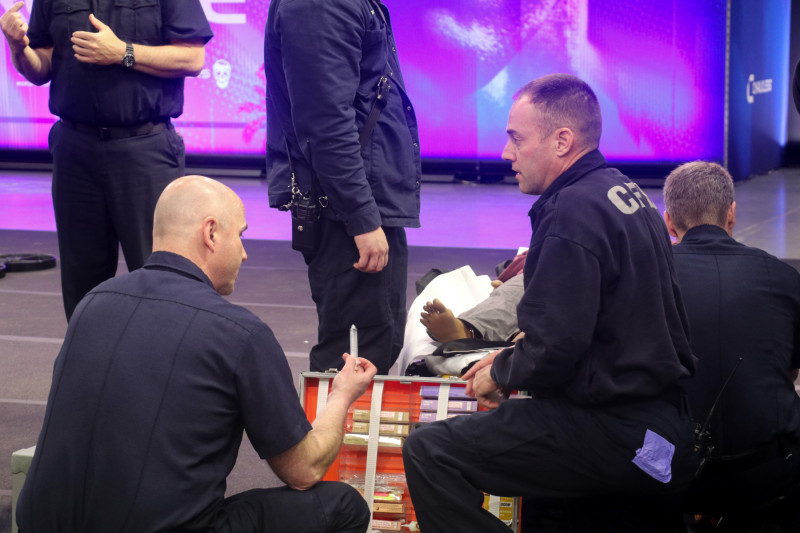
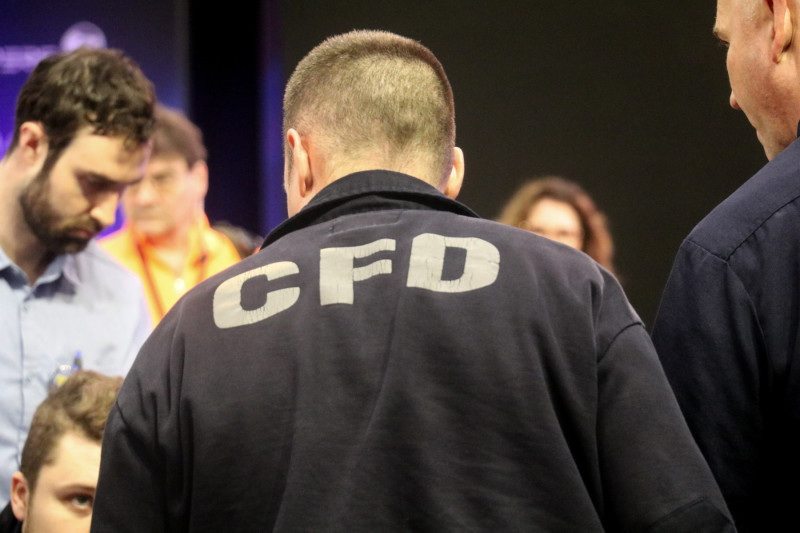
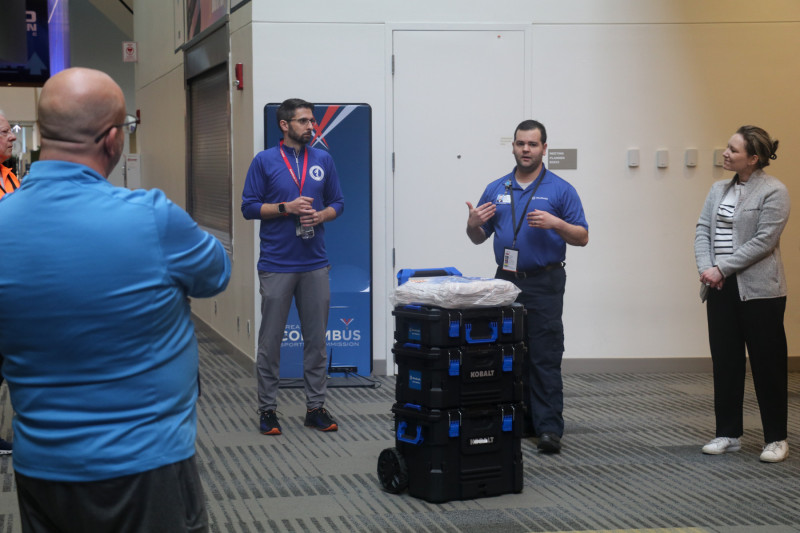
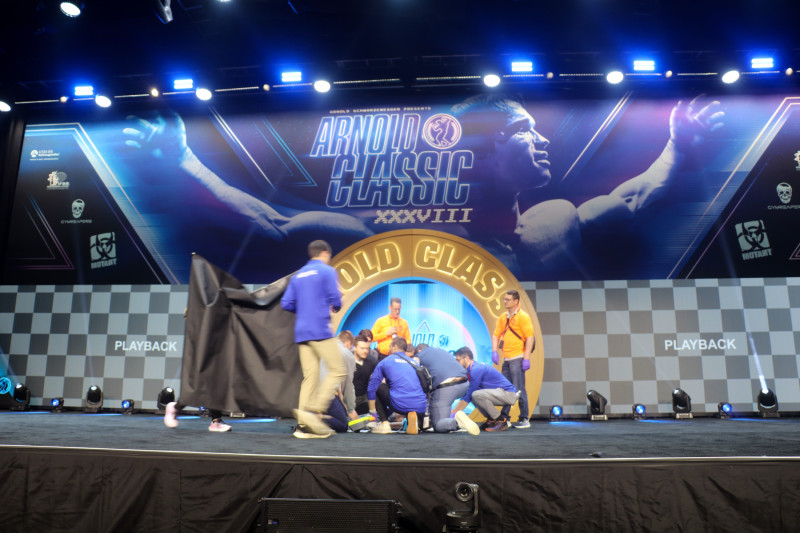
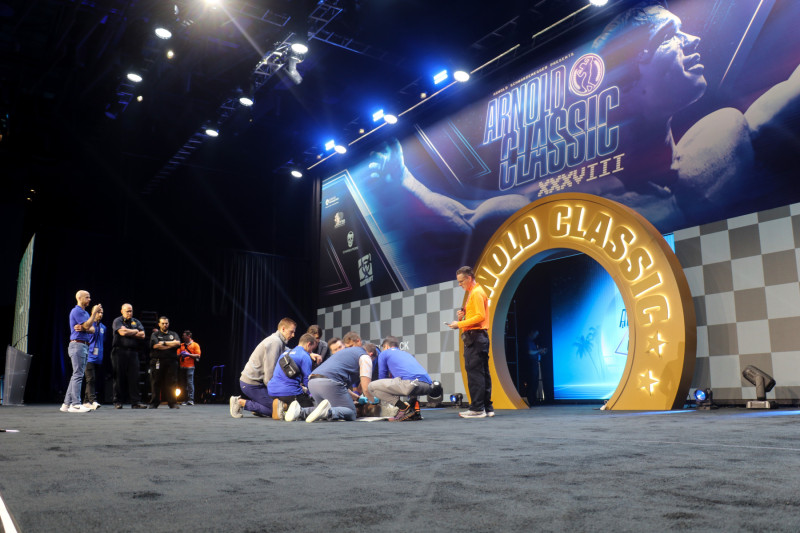
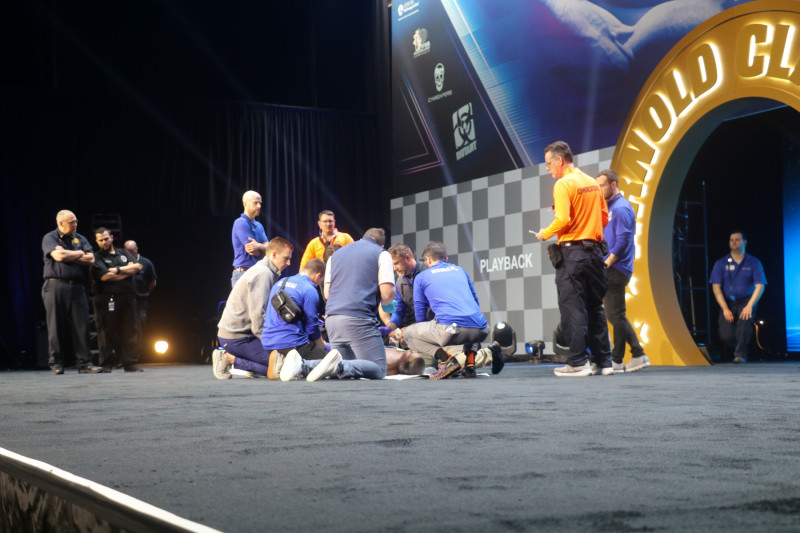
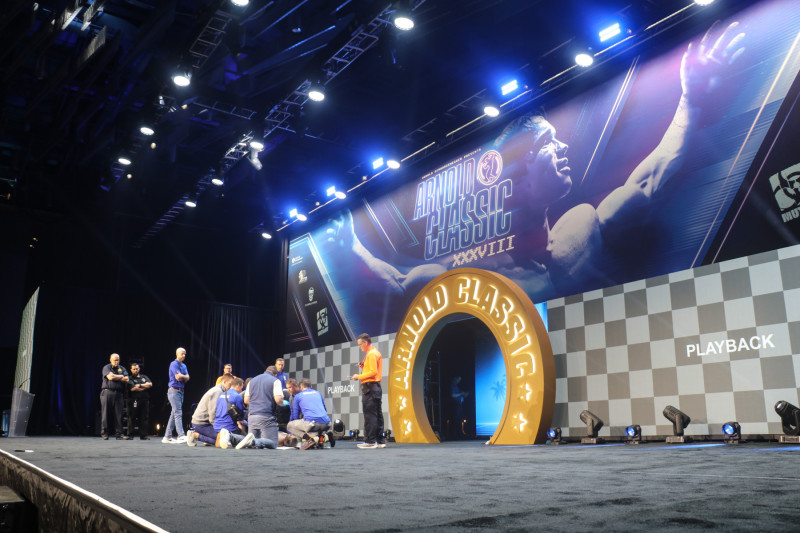
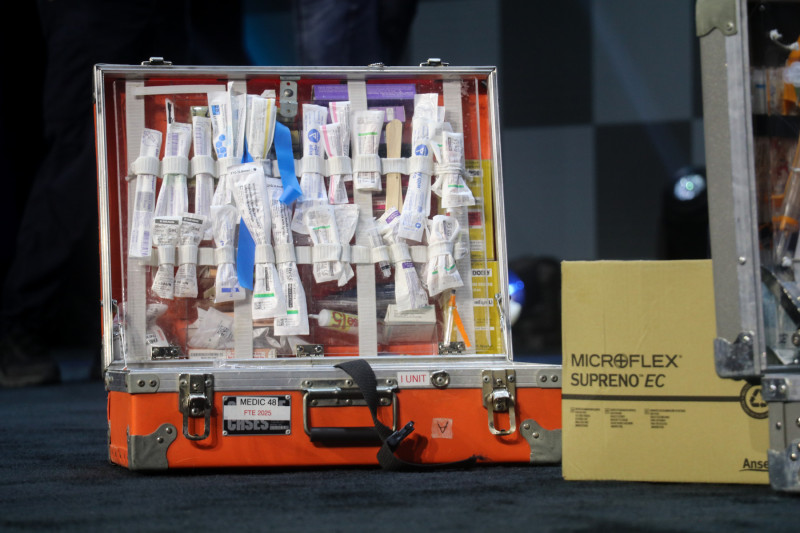
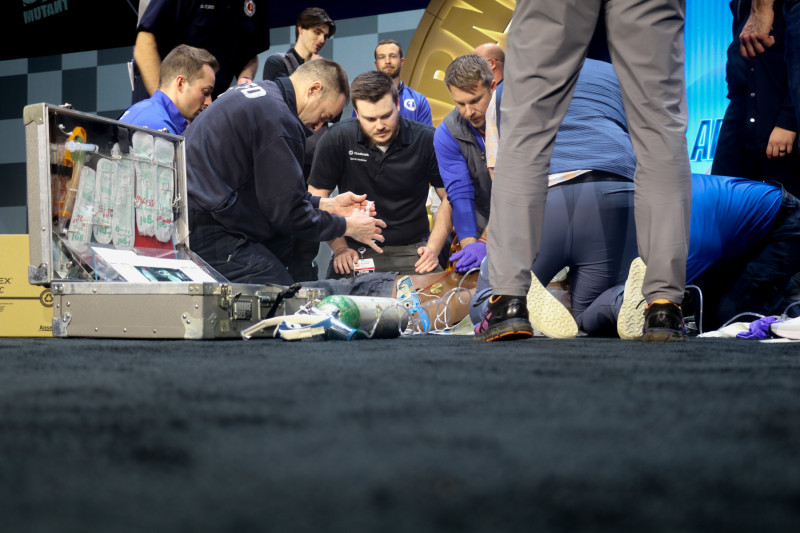
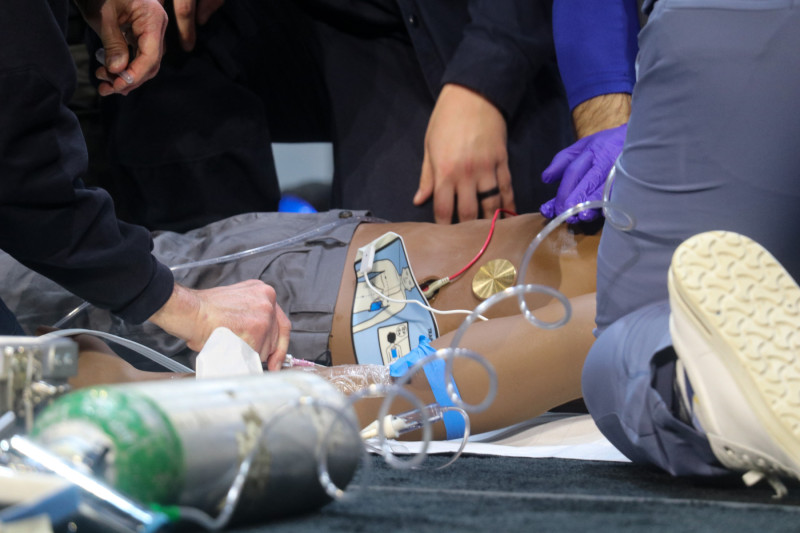
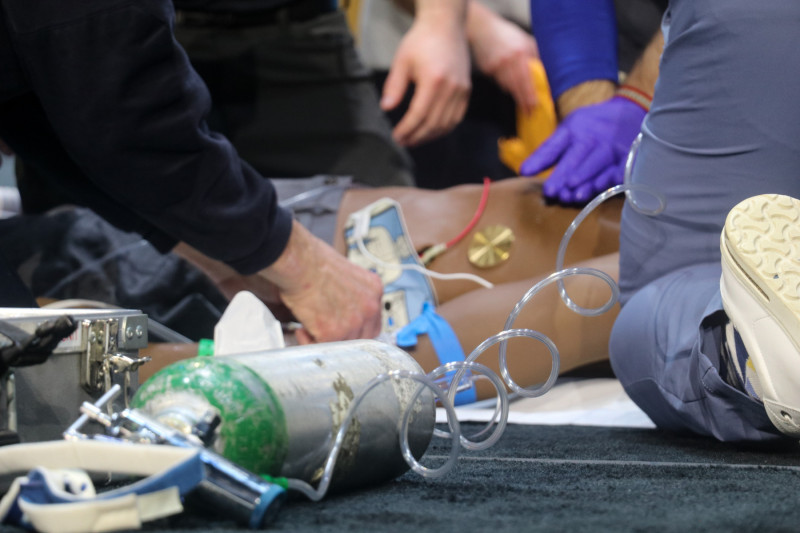
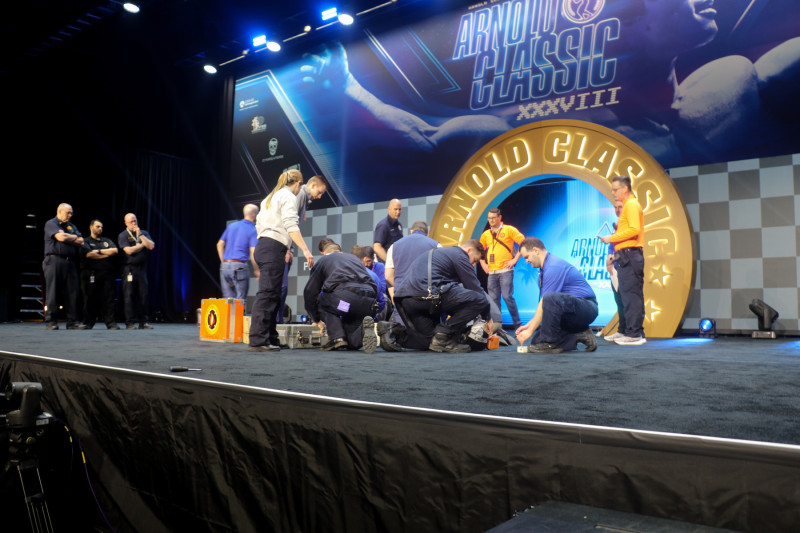
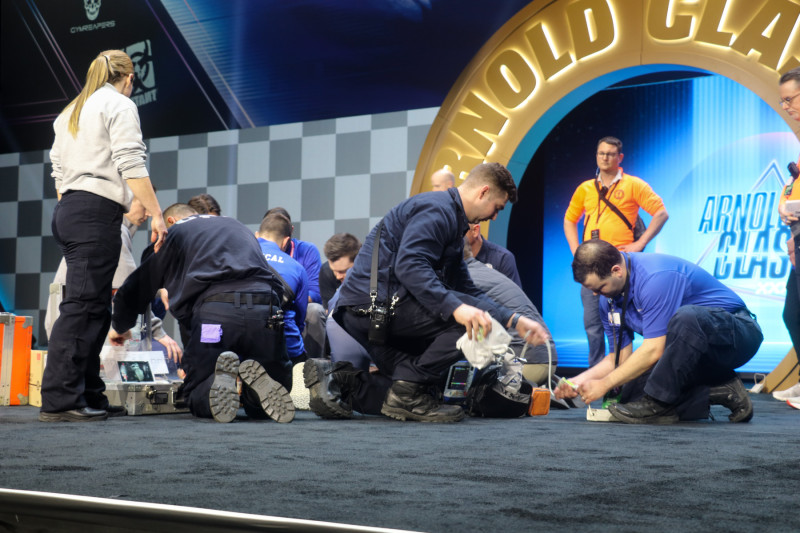
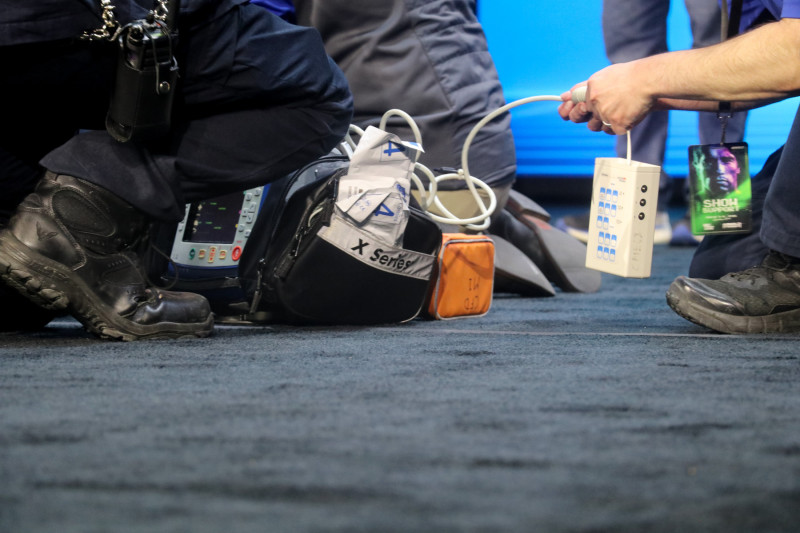
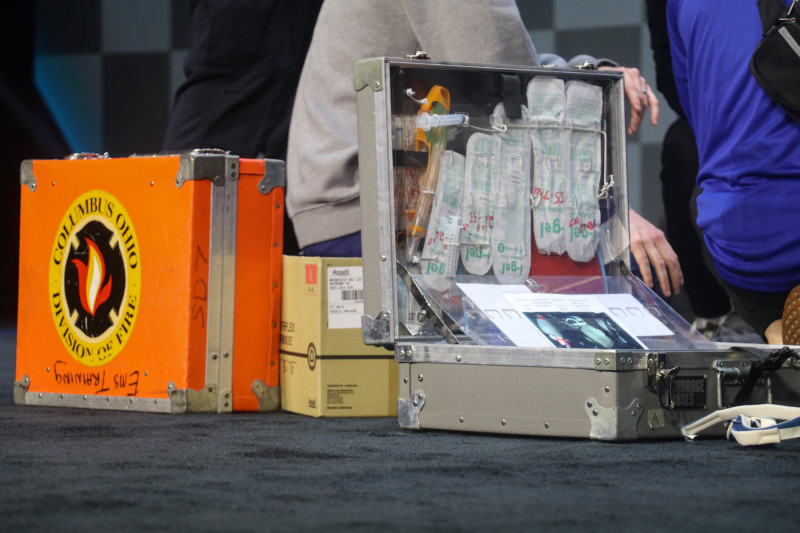
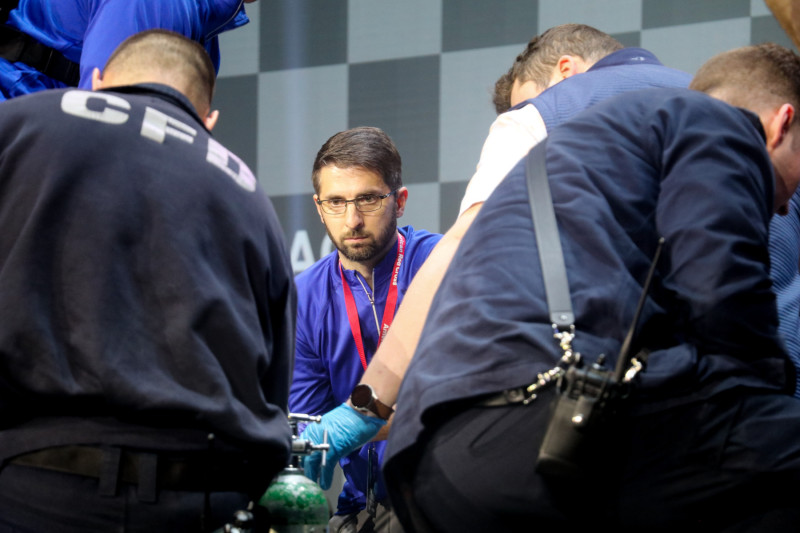
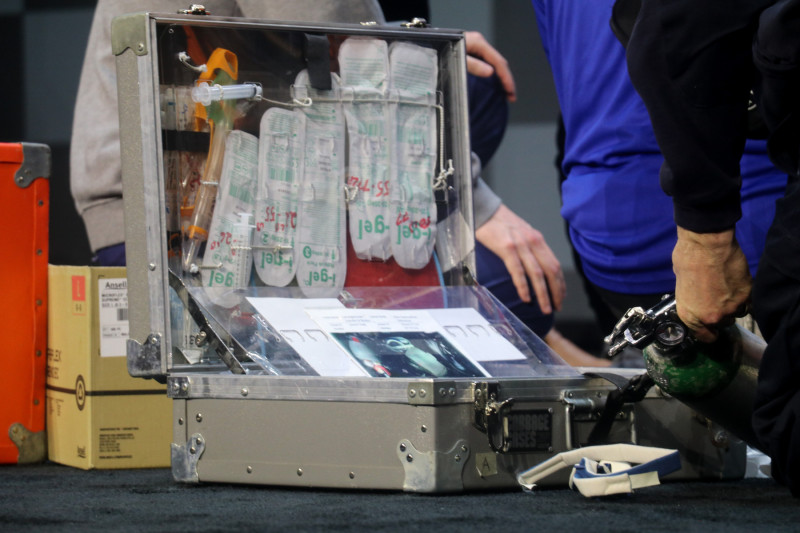
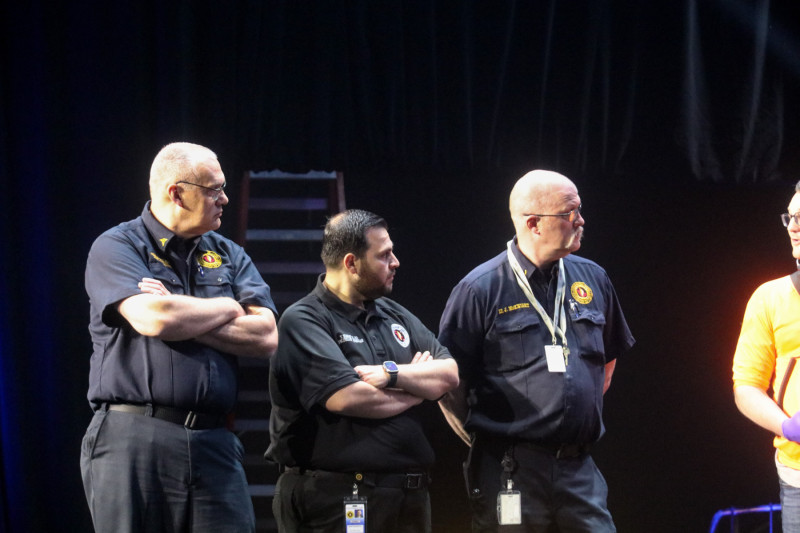
Another measure taken by OhioHealth to ensure the medical team provided the best care possible were simulation trainings that took place before the event. These simulations take place with the help of multiple groups including the OhioHealth simulation team, OhioHealth sports medicine group, COTS, Columbus Fire Department, HAM (radio) and Homeland Security.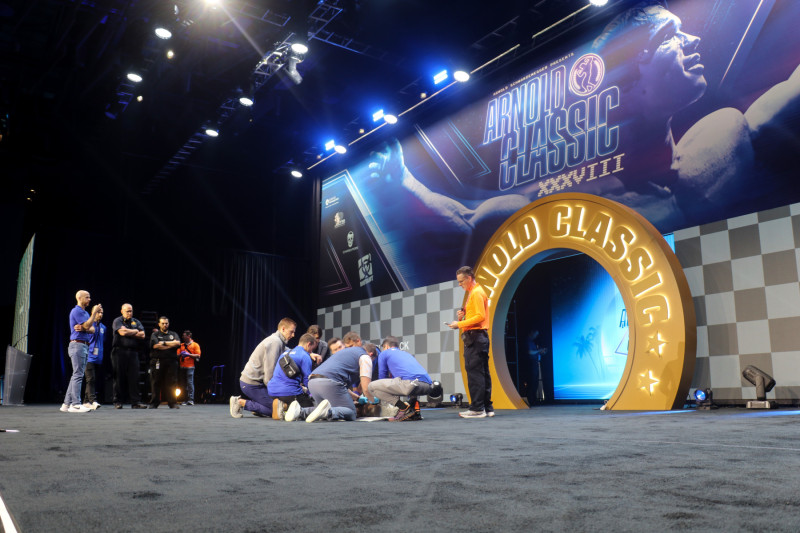
Dr. Bring said that the medical team also reviewed the SALT triage system in the event of a mass casualty incident, so all teams were ready to help.
“We will have constant communication with the team here and the emergency operation center, so we will know if something happens. Then, we’re able to notify our hospitals immediately,” Keller said. This early communication in the event of a mass casualty gives hospitals more time to make sure they have the proper resources and staff available.
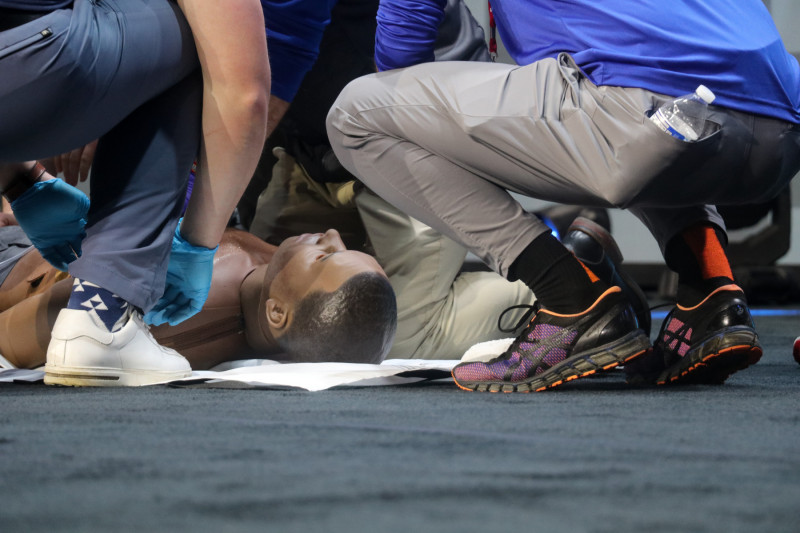
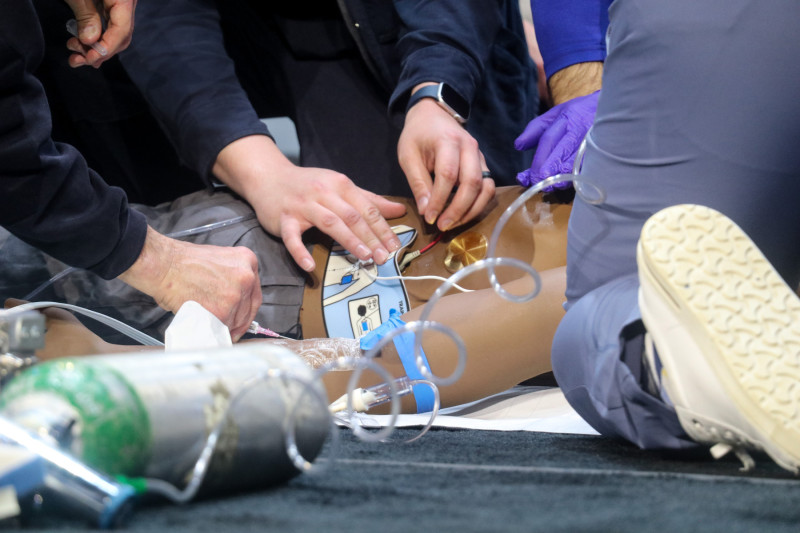
Brad Gable, MD, OhioHealth emergency medicine and medical director for simulation, said that these simulations are updated every year based on the events that will take place, so all teams can feel adequately prepared. Some new simulations this year involved looking at how to handle a lower extremity injury and a full cardiac arrest.
“This is an opportunity for some of the more rare events, whether that’s arterial injuries, spine injuries, concussions and even cardiac arrest. Making sure that we understand the nuances that go with some of these athletes, whether it’s their size, the scope or the specialization they have, so that we can make sure we’re delivering the best care possible,” Dr. Gable said.
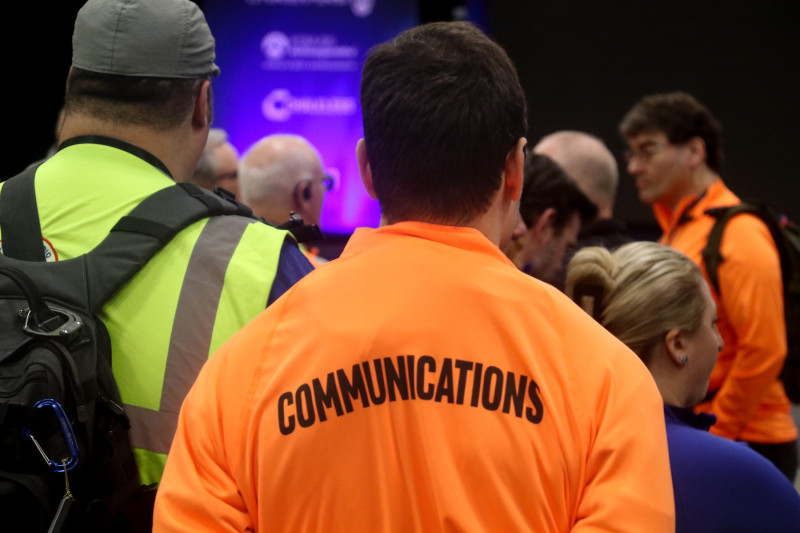
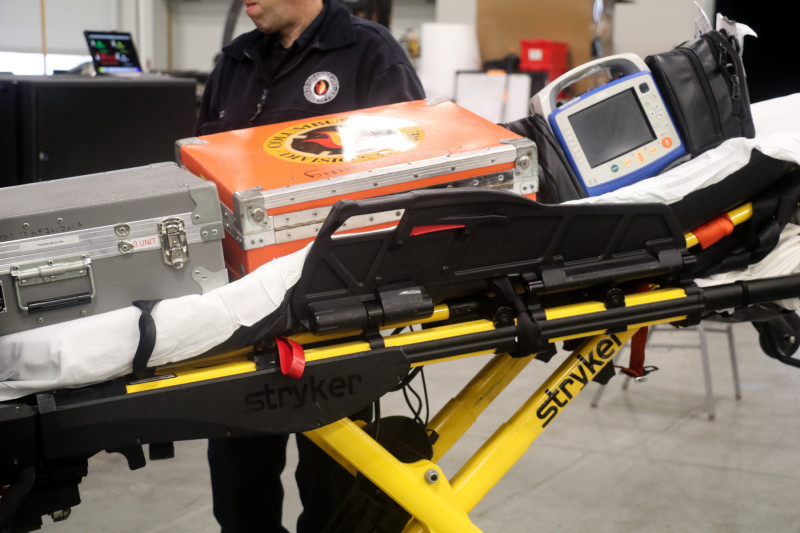
“We cover everything from the emergency itself, to how do we get people there and where's the equipment to the egress and coordinating with Columbus Fire, even the communication team,” said Dr. Gable. Having the opportunity to do the simulations before the event gave different teams a chance to establish role clarity and identify practices that may have been overlooked without these trainings.
“This is a chance to get all of that done ahead of time, so that way on the day of the event when we have an actual emergency everything is seamless and we can provide not only effective care but also timely care,” Dr Gable said.
Dr. Bring emphasized, “Our top priorities are to ensure the safety of all the participating athletes across all the venues in the Greater Columbus Convention Center and the three buildings at the Ohio Expo Center. We continue to revise and edit our emergency action plan and how we will plan on triaging and treating athletes”.
A lot of the medical team is made up of physicians and athletic trainers who volunteer to care for these athletes throughout the weekend. Their contributions help to keep the medical care that these athletes receive efficient and reliable.
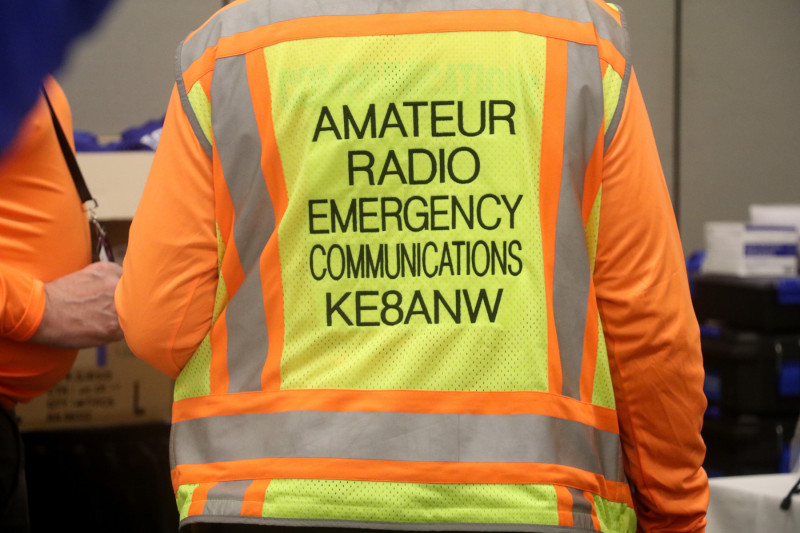
“We are so grateful to have a strong team of athletic trainers who take time out of their busy schedule to help support our medical team even during a busy spring sports season. We also have many physicians who volunteer their time to come down and work on our team. Of course, our operations couldn’t be complete without our collaboration with FCARES and our HAM operators who provide hundreds of hours of support each year to help us with our communications plans,” Dr Bring said.
Photo courtesy: OhioHealth