OhioHealth Collaborates with NEC Society to Honor NEC Awareness Day on May 17
Necrotizing enterocolitis or NEC (pronounced “neck”) is an intestinal disease that can affect infants in their first weeks and months of life. “Necrotizing” means the process of tissue death and “enterocolitis” means inflammation of the small intestine or colon. Babies who are born prematurely or with a medical condition, like a congenital heart defect, are most at risk of NEC, but sometimes full-term babies also develop NEC. Every year in the United States, NEC affects thousands of babies.
“We know from the literature that mother’s own milk (MOM) provides the most protection against NEC. If MOM is not available, then pasteurized donor human milk (PDHM) offers the next best protection,” Erin Pryor, NEC Society, said, “The NEC Society collaborates with key nonprofit partners working to ensure all babies in the intensive care unit (ICU) have equitable access to MOM or PDHM. We are working tirelessly to advance equity for babies. We have been engaged with HMBANA for several years now.”
This is the first time the NEC Society has partnered with OhioHealth. It’s an important collaboration that can help families who may be going through difficult times.
“For many families, the first time they learn about NEC is when their baby has very suddenly become ill with a distended abdomen or bloody stool. NEC happens very fast, sometimes without any warning and can be devastating to the infant and families in a matter of hours,” Pryor said, “We want families to know about NEC and that we are working in partnership with the leading physician-scientists in the field to prevent this terrible disease and provide better treatment options for survivors and all families affected by NEC. We are the only non-profit organization dedicated to NEC and provide the most accurate and up to date information.”
“As a HMBANA member milk bank, we have partnered with the NEC Society with a common goal of reducing or eliminating NEC, which is a potentially fatal disease to premature infants, Chris Smith, RN, IBCLC, OhioHealth Mothers’ Milk Bank outreach coordinator and lactation consultant, said, “Currently, human milk is the only thing that we know that reduces their chances of getting NEC, so if mom does not have enough of her own milk, pasteurized human milk is the next best option to feed these at risk infants. To be able to provide milk to the NICUs, we need the help of women who are breastfeeding and have extra milk that they can donate to become milk donors.”
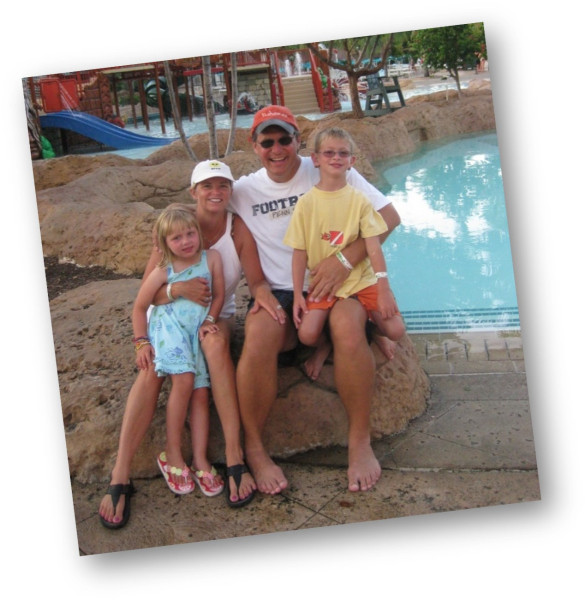
Roland Tokarski, OhioHealth vice president of construction and real estate management, shared his own personal experience with NEC.
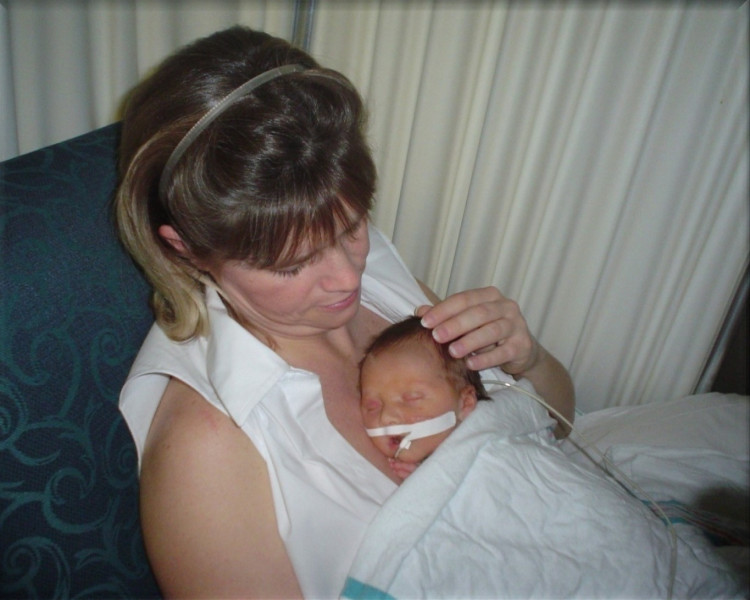
In 2004, on April 9th, Roland’s wife Stacey went into labor six weeks early. After an emergency c-section, their son, Rollie, was born but wasn’t breathing when Stacey delivered.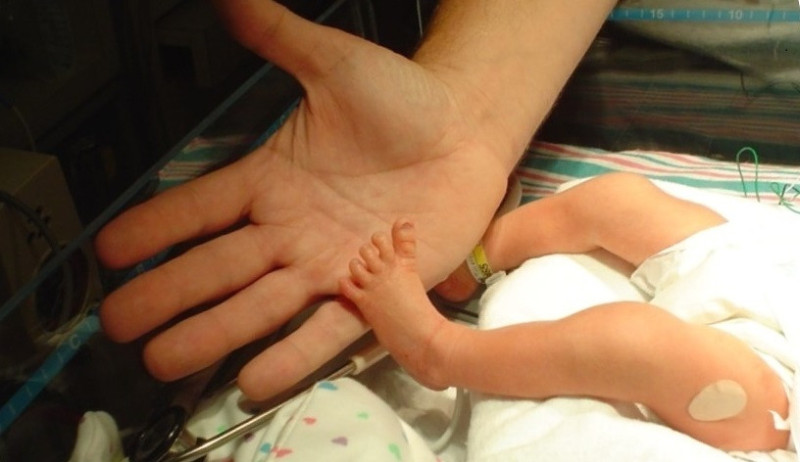
“I remember at the OhioHealth Riverside Methodist Hospital NICU, the doctor came in and I looked at him and he goes, this baby is in serious trouble,” Tokarski said.
On April 14th, Rollie was diagnosed with NEC. That morning, he was pooping blood and by that night, Rollie turned yellow due to his liver not working properly. He received numerous blood transfusions.
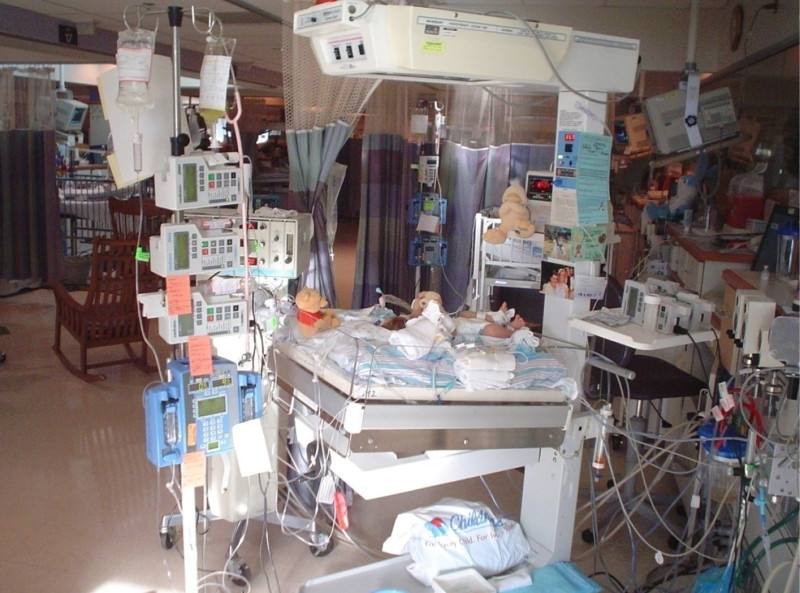
On April 15th, Rollie had more complications, was on a ventilator and received more transfusions. The decision was made to transfer him to Nationwide Children’s Hospital. Rollie, who was severely sick, was taken to the NICU and underwent exploratory surgery. After two hours in surgery, Rollie made it.
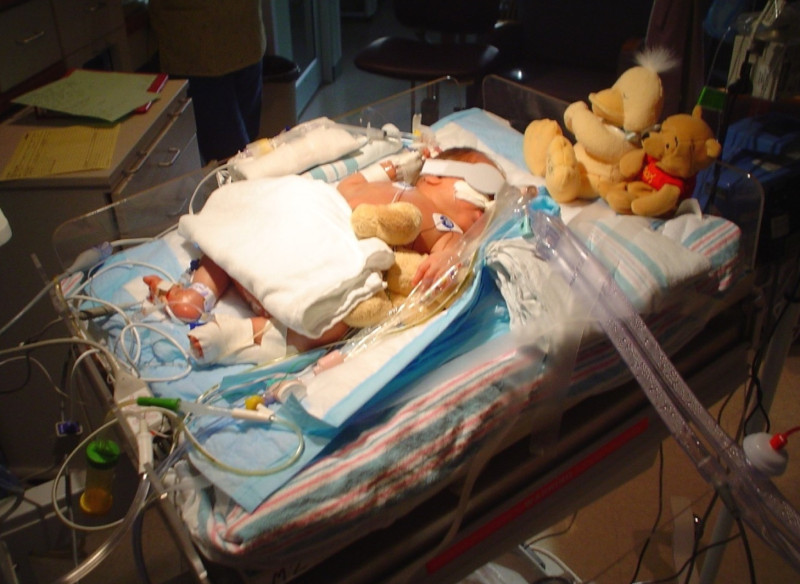 “They said he was one of the sickest kids they ever saw survive,” Tokarski said.
He had two holes in his bowel and contamination had spread through his body. He had 80 percent of his large intestine removed, his ileocecal valve removed, and his Appendix removed.
On April 28th, they were told they were going home in three weeks. Rollie was getting better. However, on June 2nd Rollie developed a fever and had sporadic breathing. He was rushed back to the NICU and then diagnosed with Bacterial Meningitis.
“He literally turned green, the nurses were all, I’ve never seen this, they were all bawling their eyes out like you’ve got to be kidding me because this is really really bad,” Tokarski said.
Rollie was put on medication and was put on a special diet to help him get the nutrients he needed to help his body fight the infection.
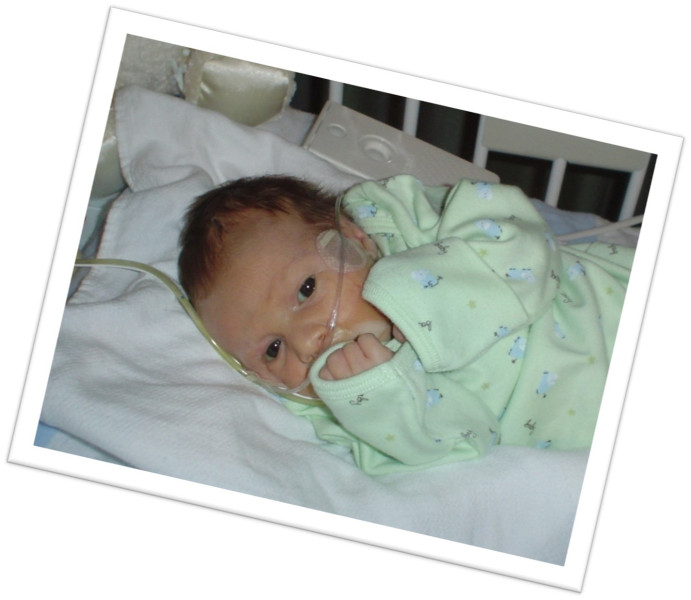
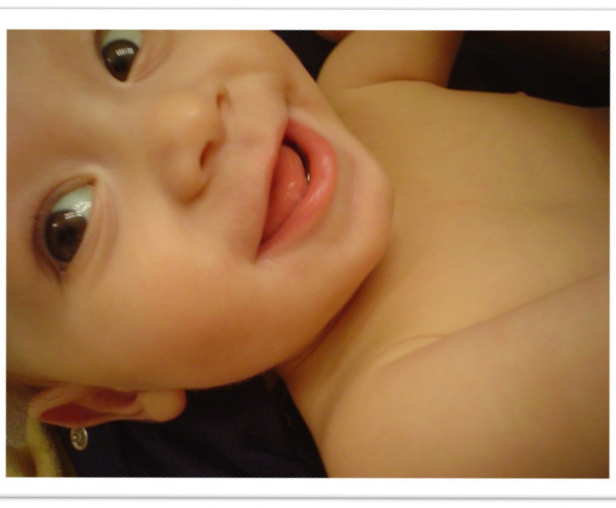 After 84 days, Rollie was finally able to go home on July 1st.
While at home, Rollie’s journey to recovery continued. He had an IV put in his arm (pic-line), had to use the TPN (total parenteral nutrition) feeding method seven nights a week for eight months, had a special formula called Alimentum, he had a bag for waste, and at least three doctors’ appointments a week.
On August 23rd, they reattached his intestines, but they couldn’t go anywhere due to the pic-line he still had directly connected.
The IV was removed on November 11th and the Tokarski family, with Rollie, were able to finally leave the house and meet family.
The question for Roland and Stacey was, can he live a typical life?
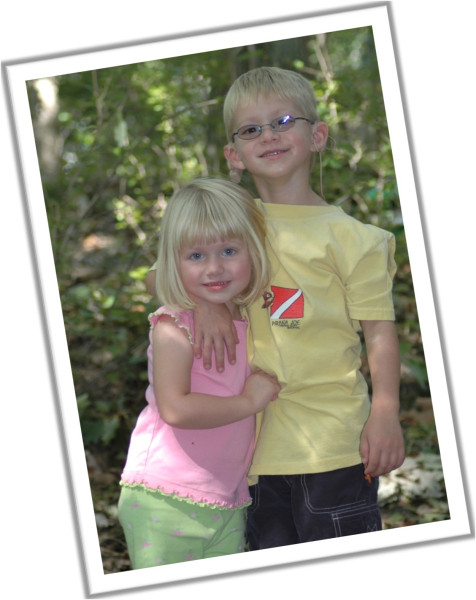
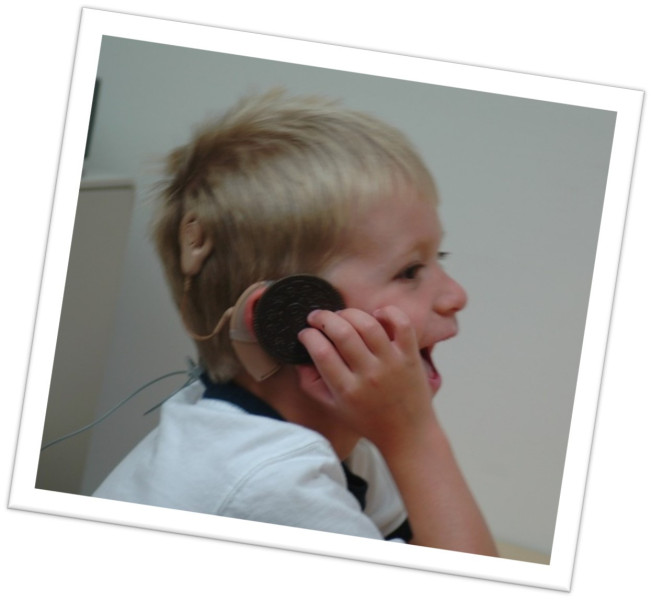
Over the next several months and years, Rollie had surgery on his intestines, his gallbladder removed, had a couple of surgeries on his eyes and received cochlear implants. Rollie lost his hearing due to the Bacterial Meningitis.
Rollie also completed six different therapies for months, PT, OT and speech therapy.
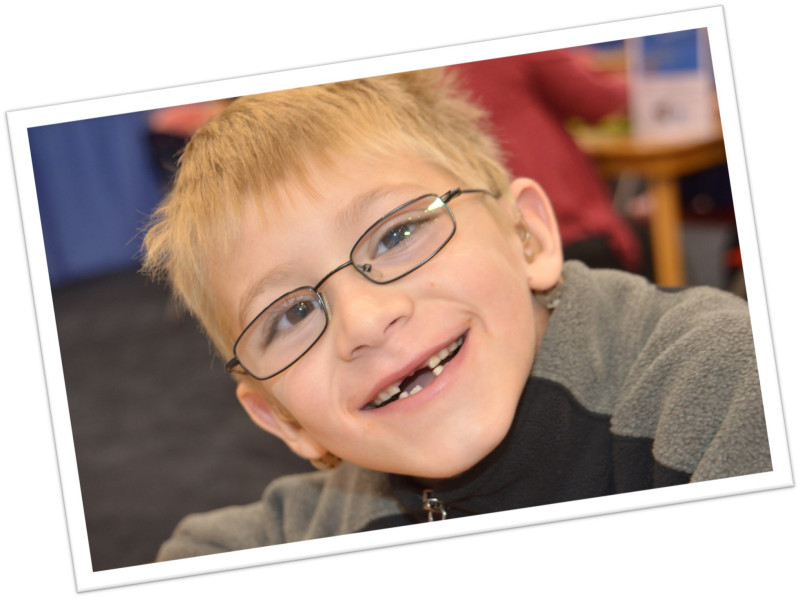
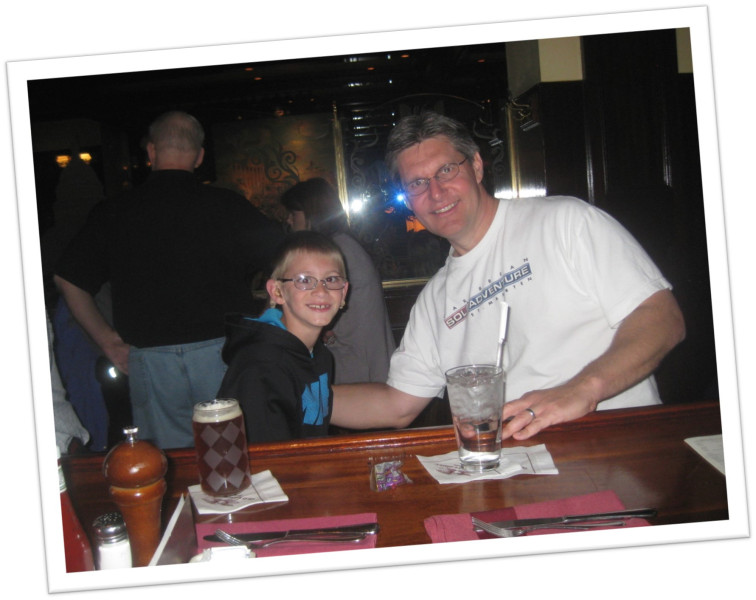
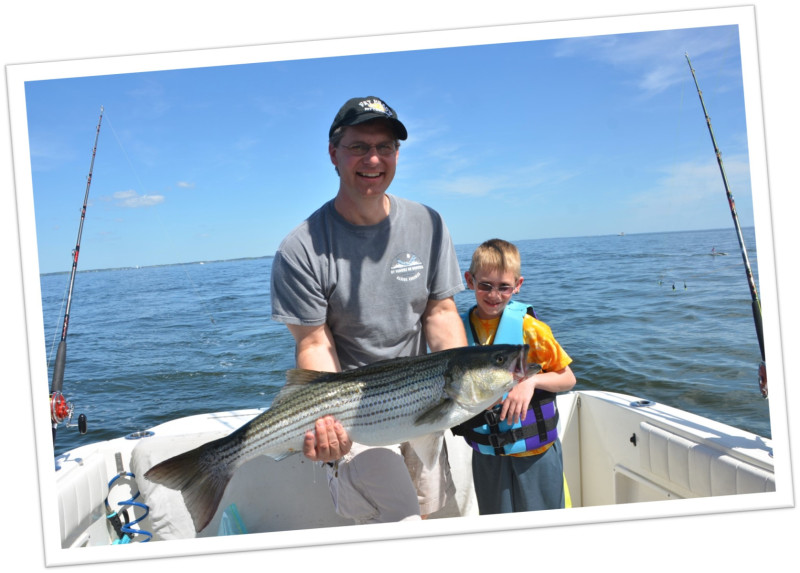
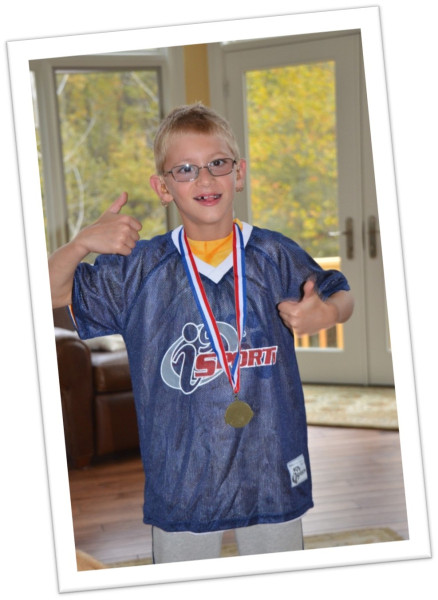
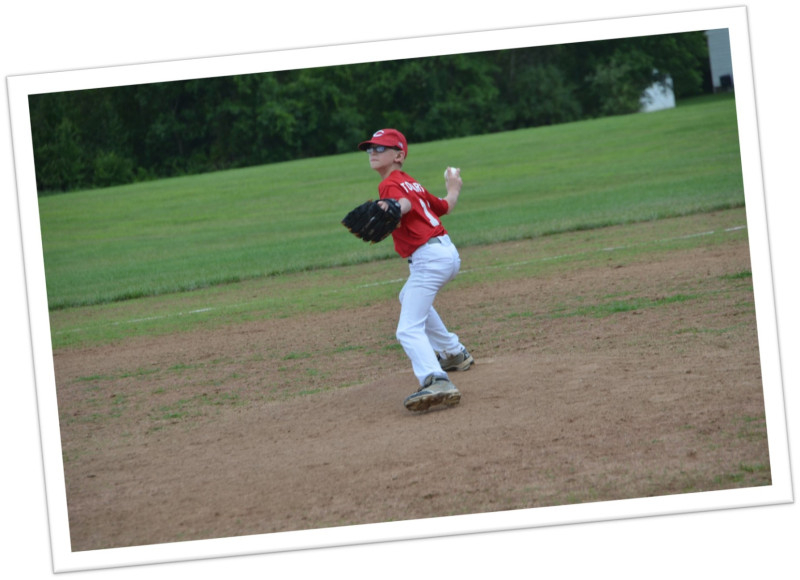
Over the years, even through all the surgeries and medical complications, Rollie lived a wonderful life. He went to school, made friends, played flag football, basketball and baseball, went on family vacations, went fishing, and met many celebrities.
He’s now studying finance at Xavier University.
Roland shares Rollie’s story in hopes of inspiring other families who may be going through something similar.
“What I’ve learned is ours is just one story, and right or wrong not all stories have a great outcome you know and it’s all I don’t know, I always say special kids are given to special people who have to figure out what it’s all about,” Tokarski said. (If you want to edit or add on to this, please feel free to do so! Maybe elaborate more on what It’s like as a parent to go through this and fight for your child while they’re fighting too)
For more information on NEC and the NEC Society, please click here.
To become a milk donor, contact the OhioHealth Mothers’ Milk Bank at milkbank@ohiohealth.com or 614-566-0633.
Photo Courtesy: Roland Tokarski