

OhioHealth Patient Shares Heart Failure Journey, Self-Advocacy During American Heart Month
February is American Heart Month, an influential time of year to raise awareness about cardiovascular health and support those impacted by heart-related challenges. According to the American Heart Association, heart disease is the leading cause of death in the U.S. Continuing to educate people on heart health and the importance listening to your body can help families to better protect themselves against heart disease.
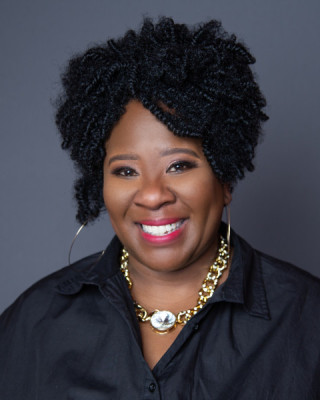 It can often feel intimidating to advocate for oneself in a medical setting. Sometimes simply listening to one’s own body and not dismissing symptoms can be a struggle. Noni Banks, a heart health patient at OhioHealth, shares her heart health journey and the winding road to recovery.
“Nothing had prepared me for the trauma of receiving a serious health diagnosis,” Banks said. “Until that moment, I considered myself fairly healthy. I went to my annual physical, stayed active, and had never experienced a major medical event. Matter of fact, I had hired a trainer and was regularly exercising for over a year. I was getting into the best shape of my life. This diagnosis felt sudden and disorienting. I was totally blindsided”.
Banks sought care through OhioHealth in February 2022, during what she expected to be a typical workday. At the time, she was teaching a girls’ leadership session at a local school, work she has done many times before. “I was walking from the back of the building to the front, when I suddenly became extremely winded,” Banks said. “The short walk left me so out of breath that I had to stop and catch my breath. I knew immediately that something wasn’t right.”
She called her primary care physician’s office and explained what she was experiencing. Based on her symptoms, Banks was advised to go directly to the emergency room. She was hesitant, but had a strong, undeniable feeling that she needed to go.
“I drove to a freestanding OhioHealth emergency room, fully expecting a quick evaluation and hoping to be released in time to return and finish the day,” Banks said. “That expectation quickly changed.”
After being evaluated, a doctor came into the room and sat on the side of her bed. Banks said, “At that moment, I knew this was serious.” The doctor told her she was in heart failure and that she needed to be transferred to OhioHealth Riverside Methodist Hospital.
Banks shared that her symptoms had been present for quite some time, for at least a year and a half prior. She experienced reoccurring symptoms such as shortness of breath, frequent headaches, blurred vision, and persistent fatigue. She also had elevated blood pressure readings.
“When I raised issues related to shortness of breath, I was prescribed an inhaler,” Banks said. “If my doctor wasn't concerned, I didn’t see a reason to be concerned. Like many women, I dismissed these symptoms as stress, overwork, or simply pushing myself too hard.”
After being discharged from the hospital, Banks was connected with Lindsay Castle, DO, OhioHealth advanced heart failure cardiologist, where she began receiving the specialized cardiac care she needed.
Dr. Castle told NBC4 reporter, Samantha Bender, “A lot of people with chronic disease are at higher risk for heart problems. Patients that have high blood pressure, diabetes, patients that are overweight, those that are smoking or using nicotine products, using drugs or alcohol excessively.”
After her diagnosis of heart failure with reduced ejection fraction, Banks found herself navigating frequent appointments, testing, and cardiac rehabilitation, an experience that was both physically and emotionally demanding. Dr. Castle explains “Heart failure with reduced ejection fraction is essentially a weakness of the pumping function of the heart. There are many different causes, but medications are a mainstay for treatment.”
Being significantly younger than many other cardiac rehab patients often left her feeling isolated and reminded her that heart failure does not fit a single profile. “I was constantly reminded that heart failure doesn’t look one way, and I didn’t fit the image people expected.”
The journey required major life adjustments, including stepping away from her business to focus on healing but coming back stronger than ever. Through recovery, she learned the importance of rest, self-compassion, and managing stress, ultimately reshaping how she approached both her health and her work.
“This experience taught me that rest is not weakness. That moment in February, choosing to listen to my body and act despite hesitation, ultimately saved my life,” Banks said. “It also strengthened my commitment to speaking openly about health equity, self-advocacy, and the importance of being persistent until you receive the care you deserve.”
Banks also reflected on her past medical experiences, often feeling dismissed and unheard in her appointments.
“Unfortunately, this experience reflects a broader reality for many Black and Brown women, who are often not fully heard, believed, or seen by healthcare providers.” Banks said. “Symptoms are frequently minimized, attributed to stress, or treated in isolation rather than examined in totality. My experience reinforced how important it is for women, especially women of color, to advocate for themselves and trust their instincts when something feels wrong.”
After having open and honest conversations with Dr. Castle at OhioHealth, she felt her care shift positively. “Dr. Castle never treated me like a number or a diagnosis,” Banks said, “She took the time to truly get to know me who I was beyond my medical chart-and she listened carefully to my concerns, questions, and fears.”
Banks said Dr. Castle asked her about her personal wellness goals and partnered with her to achieve them. “That sense of collaboration built trust and empowered me to be an active participant in my care,” Banks said.
“For me, it is important that my patients understand their heart disease and the plan for treatment. But it is even more important that I can earn their trust and be their partner on the road to recovery” Dr. Castle said.
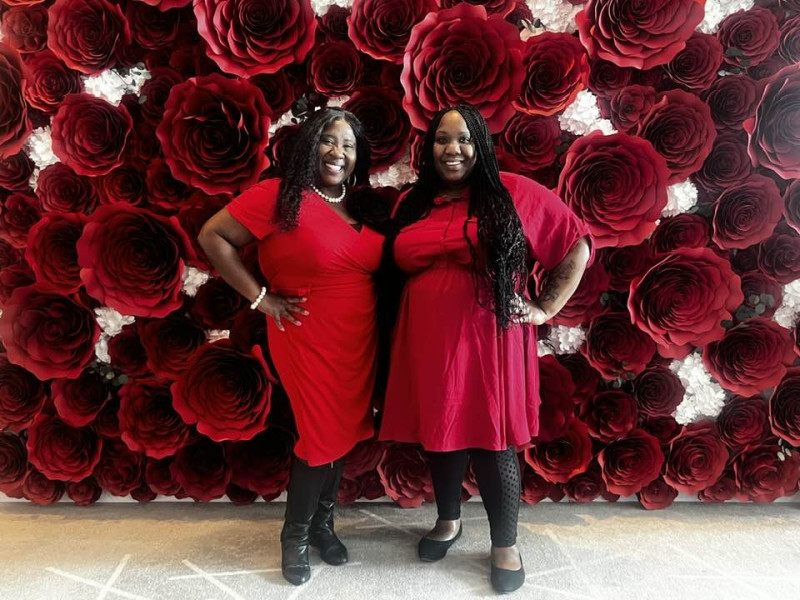 Today, her heart pumping function is back to normal. She attributes her successful recovery to the medical care she received at OhioHealth, but also to her faith. Her team welcomed open conversations and worked together to find tailored solutions that fit her needs and wants. Banks emphasizes that this experience shows how important it is for women to trust their instincts when something feels wrong. She urges women to listen to their body, because that action can change the course of someone’s life.
“Most importantly, know that you are not alone,” Banks said. “There is support, there are providers who will listen, and there is a path forward. Choosing to pay attention to your body and advocate for your health is one of the most powerful acts of self-care you can make.”
Banks told NBC4 that her sister also has a form of heart failure. The two have participated in several American Heart Association Go Red for Women campaigns together, and Banks uses her own business, The Diva Movement, to empower local women to prioritize their health. “We need to talk about what’s going on health-wise in our families, because it’s not just for us, is for future generations,” Banks said.

