Donor Milk Was the Ultimate Gift, Says Family Honoring World Human Milk Donation Day
World Human Milk Donation Day, on Monday, May 19, is a day to recognize the importance of human milk donation to the non-profit milk banks around the world.
“With this continued increase in the need for pasteurized human milk, there is an increased need for donors to continue to meet this demand,” said OhioHealth Mothers’ Milk Bank Clinical Nurse, Chris Smith. “By sharing the word about donor milk, more moms are made aware of the existence of non-profit milk banks and the need for donated human milk.”
Human milk has many immunological properties that protect the babies against infections and other potentially life-threatening conditions, such as necrotizing enterocolitis (NEC). Human milk is considered the first immunizations an infant receives. Even with pasteurization, donor milk still retains many of these immunological factors to reduce the premature infant's risk of getting NEC, which can be potentially fatal.
According to Smith, spreading the word about human milk donation is vital to allow non-profit milk banks around the world to continue to provide safe, pasteurized human milk to the most medically fragile and vulnerable infants who are unable to receive their own mother’s milk.
“Without the continued support of breastfeeding moms donating their extra milk, we would not be able to continue to pasteurize and distribute the milk to premature and medically fragile infants in NICUs across Ohio and beyond,” Smith said.
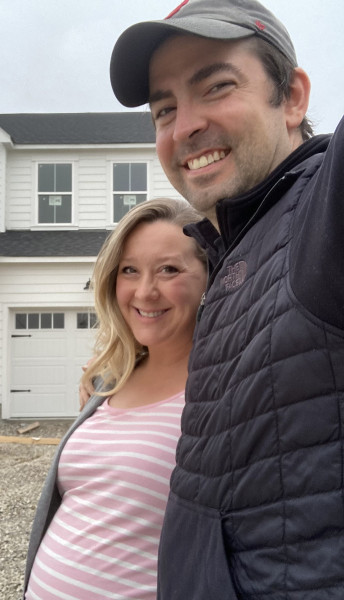
Michelle Gauntner, an OhioHealth associate and mother, shared her own personal journey with the Mothers’ Milk Bank.
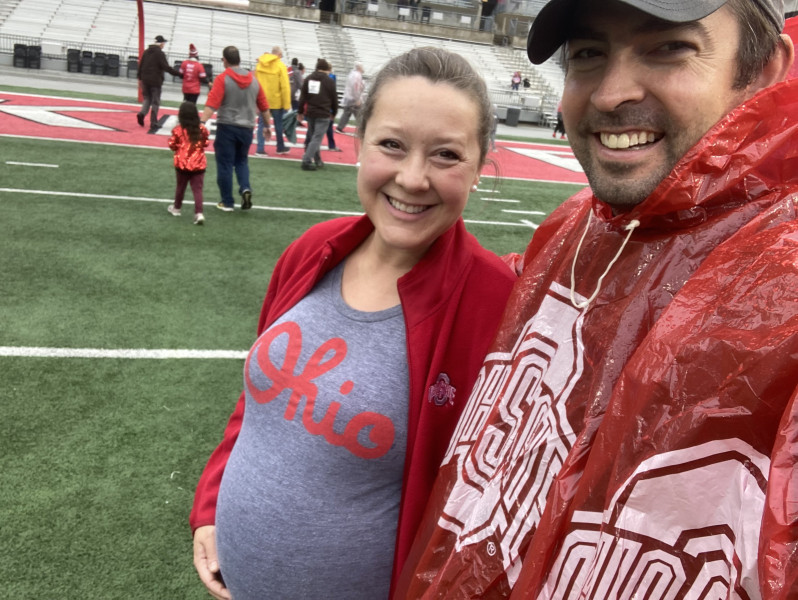 When Gauntner was pregnant with her first child, she was filled with excitement and couldn’t wait to meet her son. He, Declan, was an answered prayer.
“When entering my third trimester, I developed preeclampsia that necessitated an extended hospital stay and continuous monitoring for little Declan and me,” said Gauntner. “I was scared. I’m an ICU (intensive care unit) nurse by trade (and always in my heart) and that just means I know “too much” and simultaneously NOT enough.”
Gauntner used to help care for expectant mothers that needed critical care services when she was an ICU nurse at OhioHealth Riverside Methodist Hospital. When an expectant mother needed to be admitted to Critical Care, the ICU team would work closely with the women’s health nursing team. “The talented women’s health nursing team would partner with us to care for the mother and child together. Working alongside them, I felt great respect for their expertise and professionalism,” said Gauntner.
“Now I was the one in the hospital, needing to trust others to care for me,” said Gauntner. “There was a comfort in being admitted to OhioHealth, not only because that was my home, my people, my community, but also because they know their stuff."
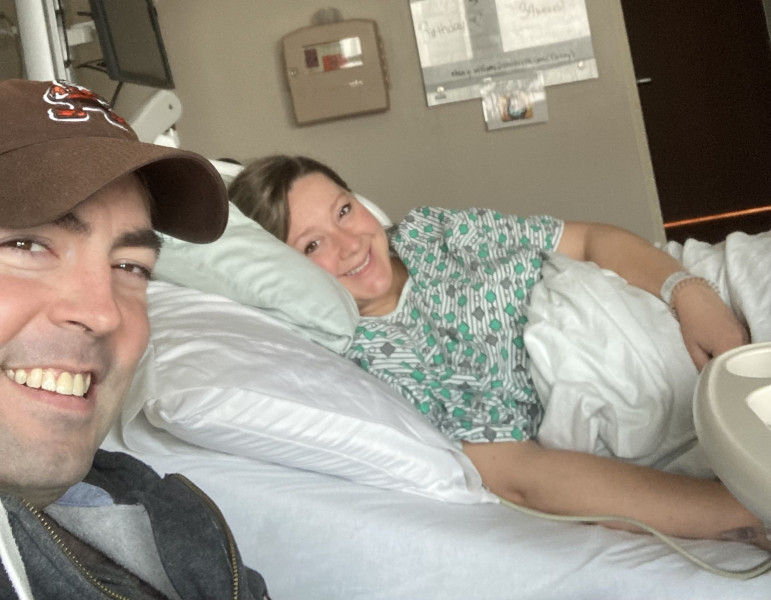
Gauntner said she felt reassured to be in the very capable hands of Dr. Jessica Guinness, and a team of phenomenal nurses, caregivers and colleagues. “I am forever grateful for Dr. Guinness and that team of wonderful people who fought for me and my Declan when I couldn’t,” Gauntner shared.
At 34 weeks, it was clear to all that Declan needed to be induced due to results of lab work and symptoms Gauntner was experiencing. She shared that her labor was long and did not progress as they hoped.
“It came with some scary moments, blood pressure issues, both high and low, a Mag drip and an Epi Push,” said Gauntner. “It became clear my birth plan was not going to go as planned.”
Many thoughts ran through Gauntner’s mind, including the thought that she had failed to keep her son safe in a place to grow and then failed to follow her birth plan.
“As a longer-term patient, you pick up on things you might otherwise miss about the hospital; but the little details like how the caregivers talked to each other and the calm, respectful tone they used, even when things were not going as planned, made the difference for me,” Gauntner said. “Once again, a team of wonderful people fought for me and my Declan.”
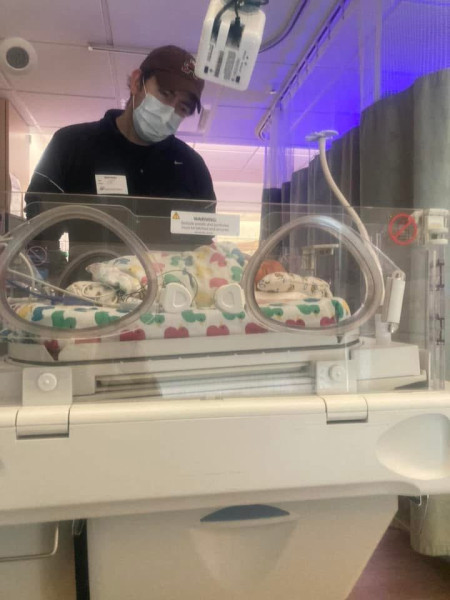
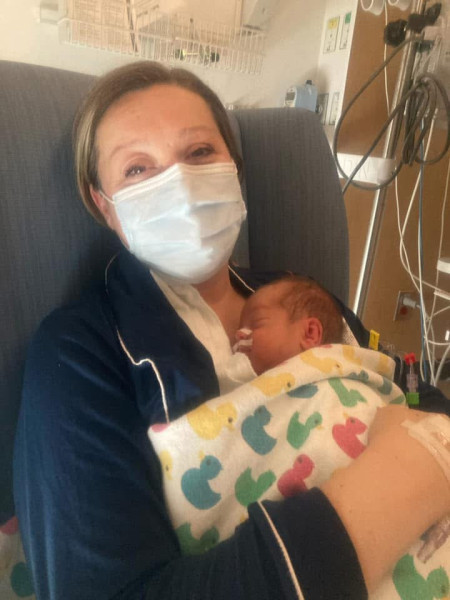
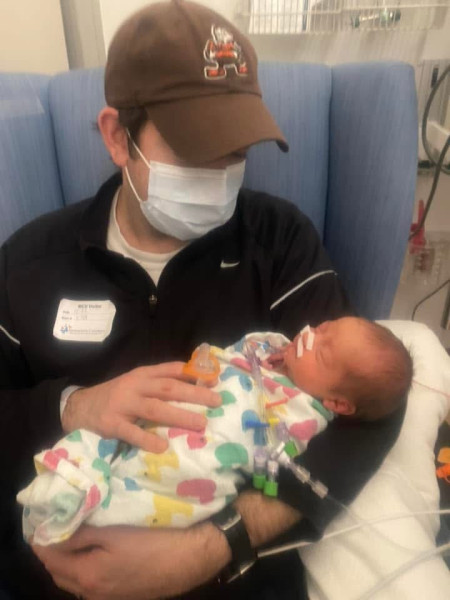
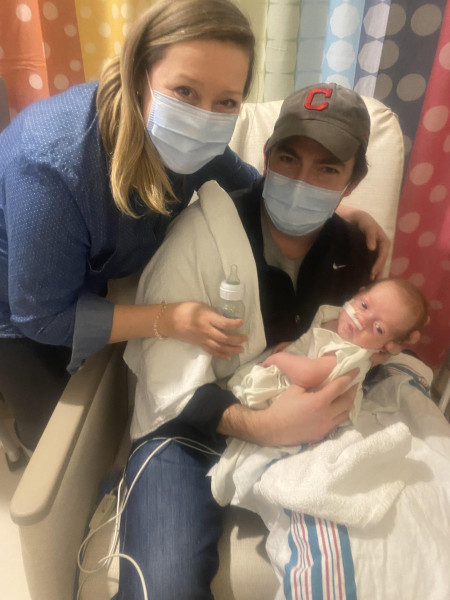
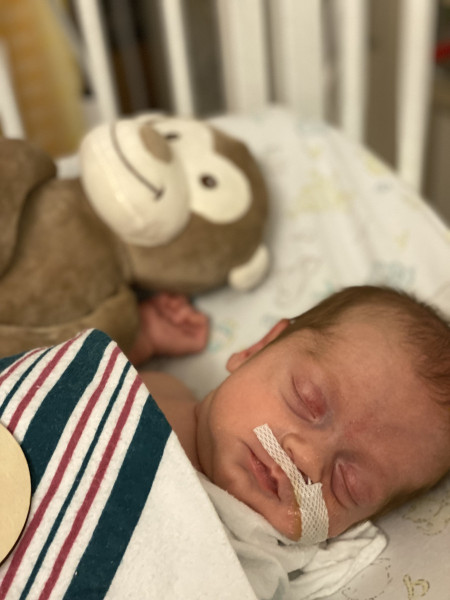
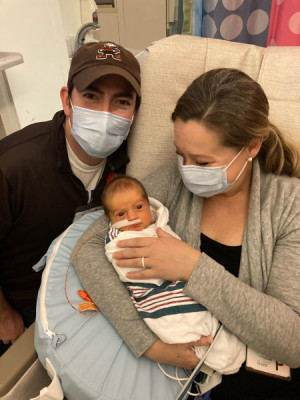 Once Declan was born, he was taken to the Neonatal intensive care unit (NICU) at Riverside where he was expected to stay for a few weeks. It quickly became apparent in the NICU that he needed additional care; he was rushed to Nationwide Children’s Hospital downtown.
Declan suffered a renal infarct from a blood clot sustained in utero. His condition worsened. He was facing coagulation, respiratory and feeding complications and few answers to what caused them. At that time, Gauntner and her husband were not aware that she had a rare gestational autoimmune disease that had put him and herself at risk before birth.
“To make things worse, Declan was not tolerating the nutrition and was struggling to feed,” Gauntner said.
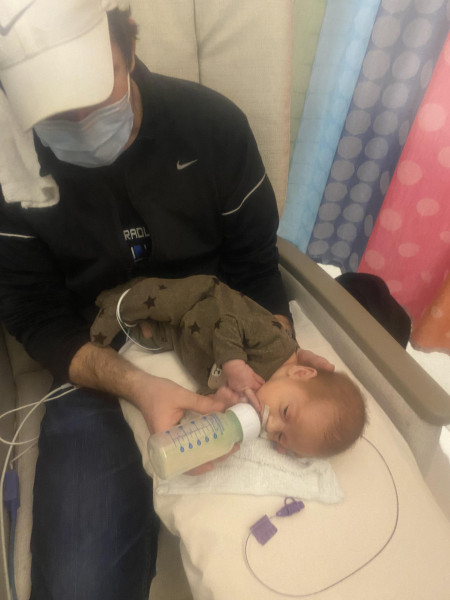
Since he didn’t have the strength to feed, a feeding tube was placed; but he could not tolerate or keep the formula down. Declan was in desperate need of life-sustaining nutrition. Gauntner worked with lactation consultants and pumped around the clock to try to provide him with milk. Despite her efforts and her persistence to keep trying, she could not provide him with enough milk. She was devastated.
“Between my own complicated post-partum recovery and his NICU stay, the odds were just stacked against me making more milk, despite effort and intention. I had once again felt feelings of failing my little guy,” said Gauntner.
That’s when Gauntner was introduced to the Mothers’ Milk Bank. Receiving milk from the Milk Bank came with overwhelming relief and all-encompassing gratitude.
“Receiving milk was the ultimate gift, saving us both in a way,” Gauntner said. For Declan, the milk donation meant life-promoting nutrition, in a form he could digest and tolerate through his feeding tube to build strength and heal as he fought for his health with all his might in the NICU. Eventually, this milk would allow him to get enough nutrients to graduate to try to feed on his own. As the weeks passed, he got stronger through the generous gifts of milk donors, prepared by “angels,” as Gauntner calls them.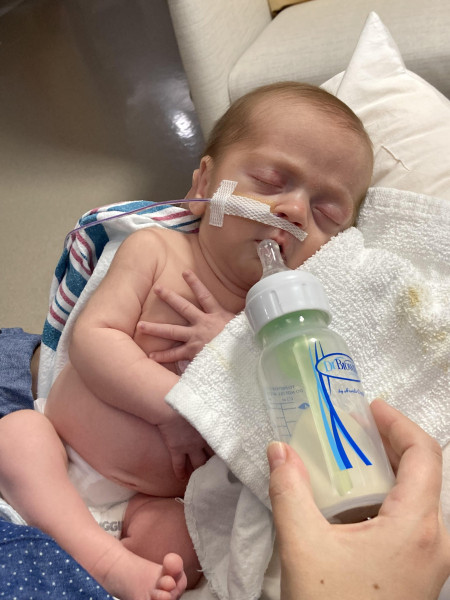
“In their generous gifts to my son, Declan, they in turn gave a gift to me as well,” said Gauntner. “Any parent knows, that when you think you can’t provide for your child, it breaks you. I was battling feelings of guilt and failure in my inability to provide more milk to Declan; but knowing that he would still be able to receive milk, helped me immensely.”
They gave Declan physical healing through nutrition. They gave Gauntner emotional healing through piece of mind that her son would be cared for.
To Declan’s mother, the team at the Milk Bank and the mothers who donate are her real-life heroes.
“Their devotion, expert knowledge and passion for the community are a rare blend you don’t see every day,” said Gauntner. “They exhibit the compassion, stewardship and excellence we hold dear at OhioHealth, and you can see it in their results.”
According to Gauntner, their impact is far-reaching, and they still drive to reach more, fueled by an incredibly moving sense of devotion and service. She feels the community of babies is healthier and stronger because of their devotion and hard work.
 “Through it all, a team of wonderful people fought for me and my Declan. I wonder, how can we all fight for others with the beautiful gifts we each have to give? That is a question worth looking into,” Gauntner said.
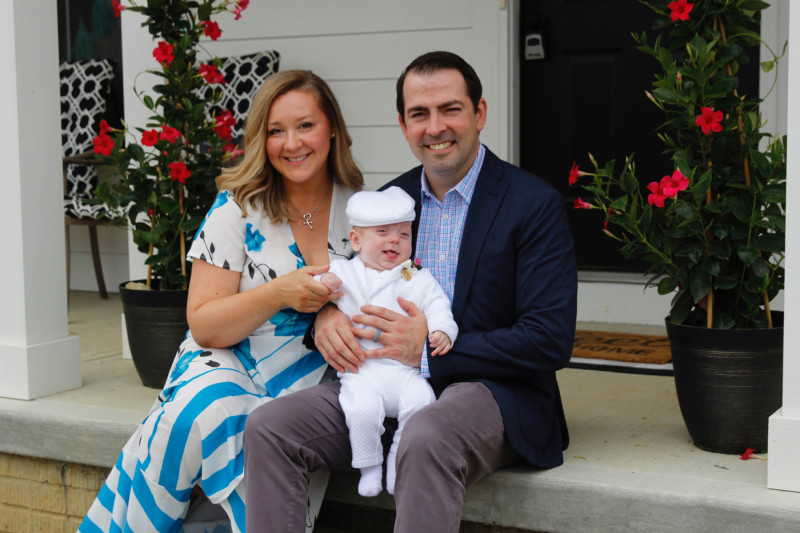
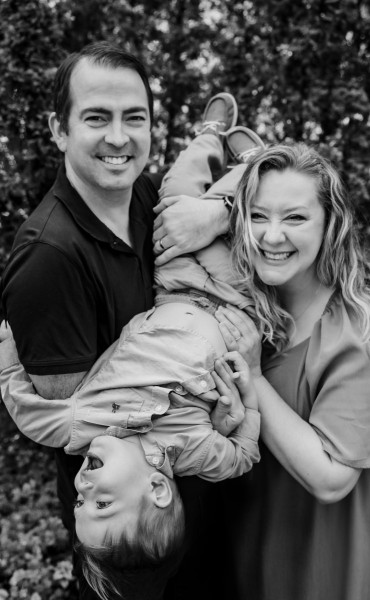
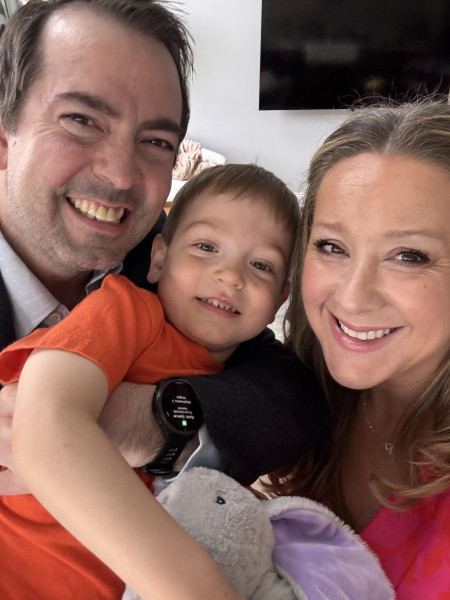
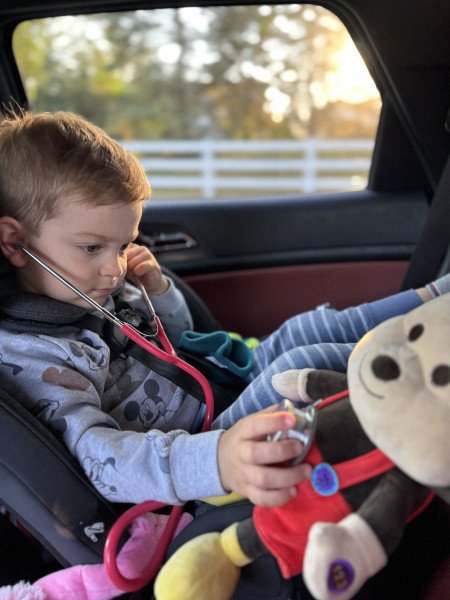
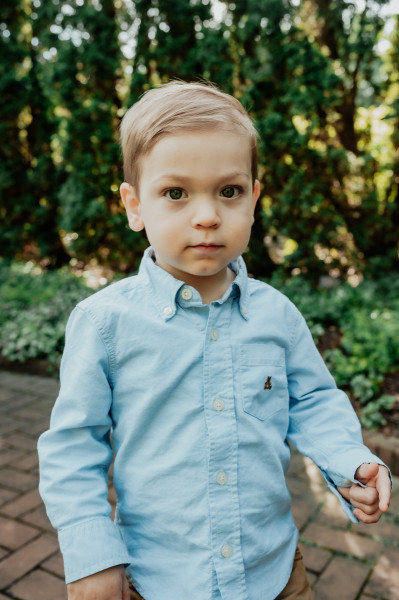
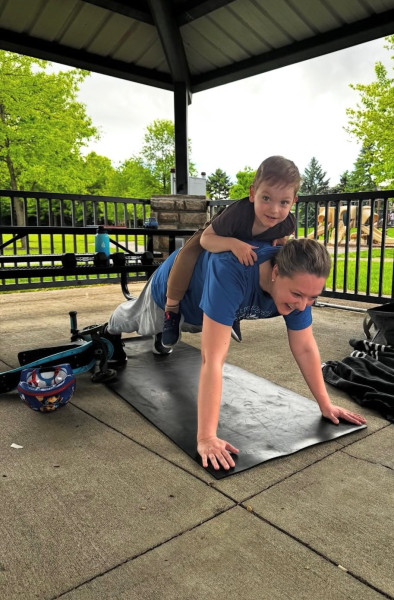
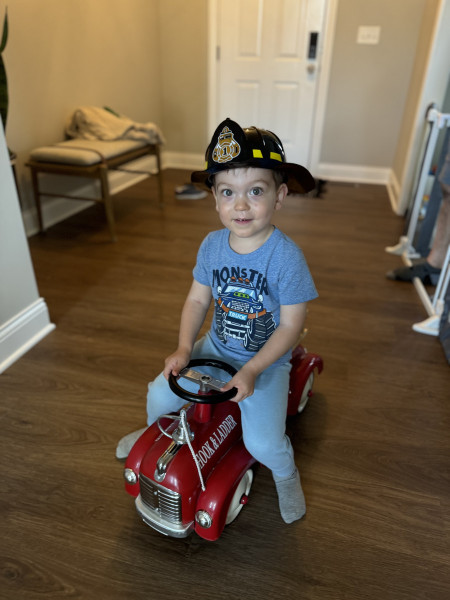
Declan, now 3 years and five months old, loves firetrucks, ambulances and construction vehicles. His favorite foods are avocados, dried cranberries, cheese, broccoli, pineapple, blueberries and watermelon. His mother shared that he also loves helping people, often saying, “I will go help.”
To learn more about the OhioHealth Mothers' Milk Bank, click here.