How 'Walk with a Doc' Is Addressing Physical Inactivity Worldwide
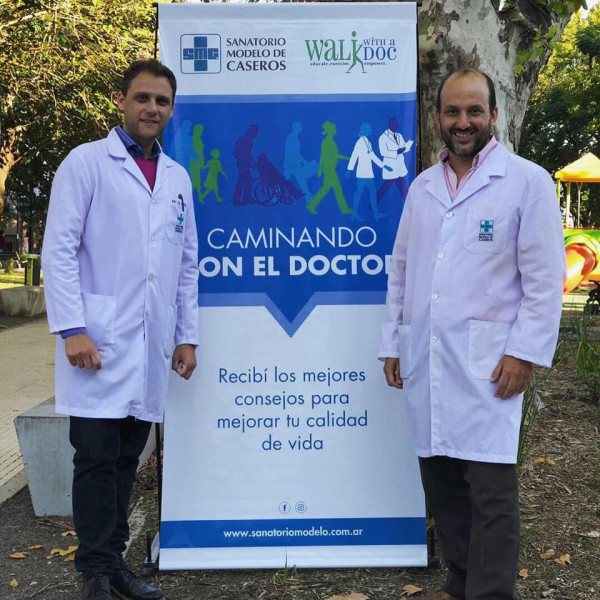
In 2005, David Sabgir, MD, a cardiologist with OhioHealth, was discouraged with how traditional medical advice fell short in inspiring his patients to get moving. Determined to try something new, he invited them to join him for a walk in a local park.
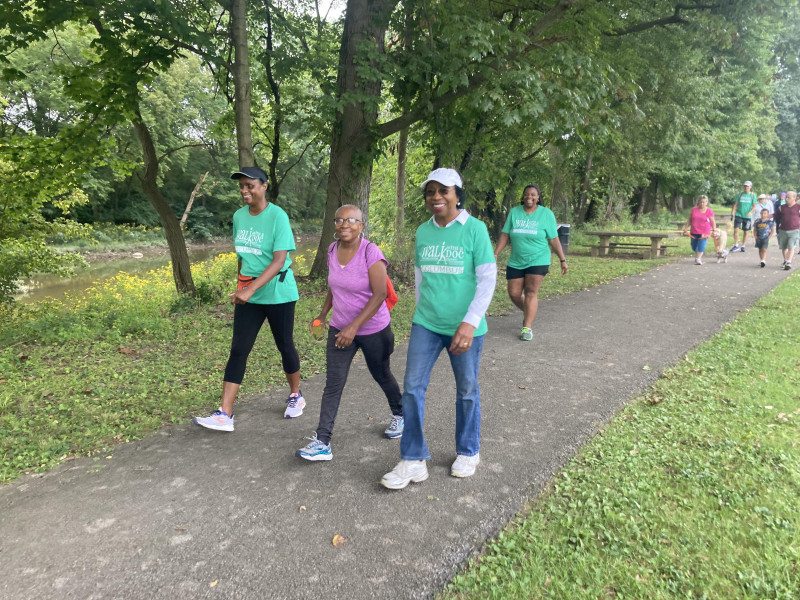
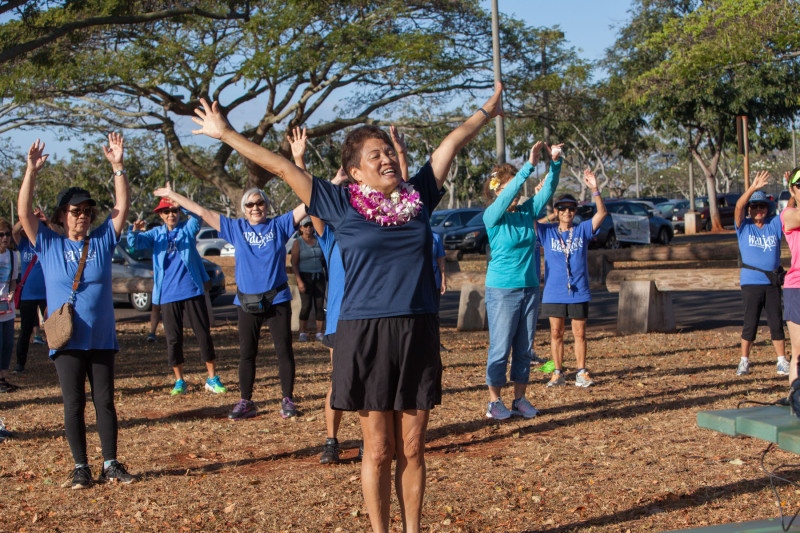
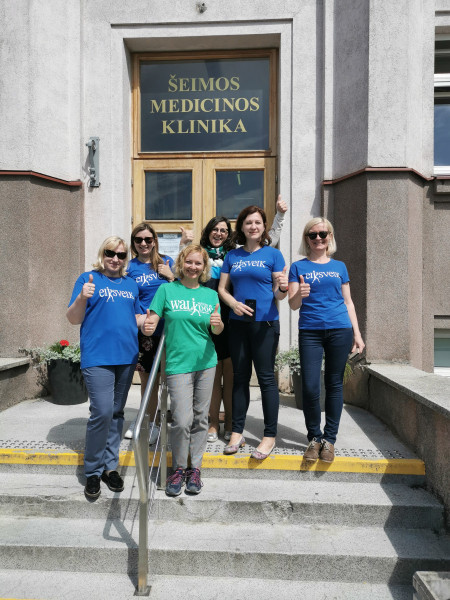
That simple idea grew into Walk with a Doc (WWAD), a global movement that’s still going strong 20 years later. Today, WWAD has expanded to 581 chapters across 48 U.S. states and 40 countries, giving people a chance to boost their health through walking, learning and connecting with others.
The program has earned widespread recognition, with features on Good Morning America, commendation from the Department of Health and Human Services, and Dr. Sabgir being named a “CNN Hero.” Most recently, the British Journal of Sports Medicine featured Walk with a Doc, emphasizing its impact on addressing physical inactivity around the world.
This recognition highlights the critical importance of programs like WWAD. Dr. Sabgir expressed his gratitude for the spotlight, which helps amplify the program’s mission. “We’ve seen how Walk with a Doc can transform individuals, doctors and entire communities,” he said. “Seeing that happen on a global scale is our goal, and BJSM is helping us make it a reality.”
At its core, the program is built around the power of walking. “Walking is extremely effective, low impact, and has very few barriers to entry,” Dr. Sabgir said. “There are countless studies attesting to its physical health benefits, such as reducing the risk of heart attack, stroke, many cancers and arthritis. Surprising to some, it’s also very powerful in addressing mental health conditions like anxiety and depression.”
That mix of physical and mental health benefits is at the heart of WWAD’s success. One of the biggest hurdles to regular exercise is overcoming challenges like consistency, safety and boredom. WWAD tackles these head-on.
“With WWAD, you will not only find weekly events, but safety in numbers and plenty of discussion with old friends and new,” Dr. Sabgir said. “You will find that time flies when you’re walking with others. Before you know it, you’ve taken thousands of healthy steps.”
Building social connections is a huge part of what makes WWAD so special. “Knowing that our friends are waiting for us at the walk will increase our accountability, but more importantly it just feels so good to spend that time with others.”
Participants have reported big changes, including weight loss, reduced blood pressure and even the ability to come off medications. And it’s not just the walkers who benefit—doctors do, too.
“Meeting outside the normal setting of a doctor’s office, in nature, things can be more relaxed with more time for connection. It is a wonderful reminder to us as providers why we went into medicine.”
To learn more about the Walk with a Doc program, click here.