

“It Could Have Killed Me:” Patient Credits Morrow County Hospital With Finding, Treating Blood Clot
“Please do not send me out of here with a blood clot.” Those were Kristen Thompson’s exact words when she showed up at OhioHealth Morrow County Hospital last November. What started as a dull discomfort one morning turned into pain so bad, she couldn’t walk on her left leg. After days of trying to brush it off, Thompson’s husband convinced her to let him take her to Morrow County Hospital.
Thompson isn’t fond of going to the doctor. Thankfully, as a Cardington resident, the hospital is close, and nurses at Morrow County Hospital Urgent Care worked to get Thompson seen as fast as possible. In fact, Thompson’s husband knew the nurse at the front desk, providing some familiarity and comfort to Thompson during a particularly vulnerable time.
“She was not going to let me leave without trying to figure out what was wrong with me,” Thompson said of the nurse at the front desk.
After an x-ray, blood work, and an ultrasound, it was determined Thompson did, in fact, have a blood clot.
“I was in tears by the end of the evening just because I did not want that diagnosis and she [Thompson’s Urgent Care nurse] was just super empathetic to everything that was going on with me.”
Thompson’s diagnosis started a three-month recovery period on blood thinners. While she still has some discomfort in her leg, a second ultrasound in February showed the blood clot had dissolved.
“Had it not been caught, and had I not gone in, it could have traveled, you know, and it could have ended up in my lungs,” said Thompson. “Or it could have killed me. Very grateful, honestly, that God placed those certain people in the urgent care that night.”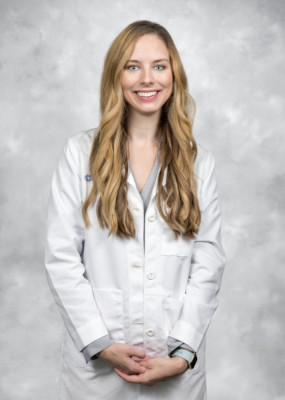
According to Tiffany Corbean MD, a family medicine physician at the OhioHealth Physician Group Primary Care Office in Marengo, some of the symptoms of a blood clot include pain, warmth, redness, and swelling in the affected limb. If someone is experiencing these symptoms, they should be evaluated by a medical professional immediately.
“Blood clots are life threatening but can be treated,” said Dr. Corbean. “It is important to know signs and symptoms in order to get care as soon as possible. Blood clots can also be a sign of other serious underlying medical conditions and the cause for them should always be investigated.”
Some people at risk of getting blood clots include those with cancer, kidney disease, cardiovascular disease, obesity, pregnant women, those who’ve recently undergone a trauma or surgery, anyone with a clotting disorder, and folks who smoke. According to Dr. Corbean, certain medications also increase the risk for blood clots.
While Thompson is grateful her blood clot was caught when it was, she knows things could have ended up differently. Now, as she reflects on her diagnosis during National Blood Clot Awareness Month, she urges others to listen to their bodies, even if it’s something subtle.
“If you experience something out of the norm, go get it checked out,” said Thompson.
