

Morrow County Hospital Doctor Warns of Heart-Related Risks Associated With Snow Shoveling
 The picturesque scene of a white Christmas is something many of us dream of, but it's important to recognize snow brings both beauty and potential danger. Beyond the risk of slips and falls, the act of shoveling snow carries serious health risks that can be life-threatening.
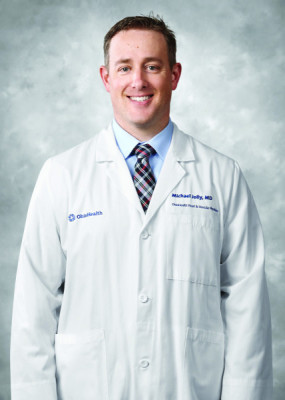
The American Heart Association reports hundreds of people die each year during or immediately after shoveling snow. According to OhioHealth Morrow County Hospital Cardiologist Michael Jolly MD, several factors contribute to this risk.
“Snow shoveling is a deceptively strenuous activity that can place significant stress on the heart, particularly in individuals with underlying cardiovascular risk factors such as hypertension, diabetes, high cholesterol, or a history of smoking,” said Dr. Jolly. “The combination of cold temperatures, sudden exertion, and the use of upper body muscles increases heart rate and blood pressure, which can trigger dangerous events like heart attacks or arrhythmias.”
Another factor that increases the risk is most people don’t warm up before they begin shoveling. Many head out first thing in the morning, which places additional stress on the heart.
“This risk is especially pronounced in people who are generally sedentary throughout the year and then abruptly engage in vigorous activity during snow removal,” said Dr. Jolly. “Such sudden exertion can unmask previously silent coronary artery disease, leading to chest pain, shortness of breath, or even acute myocardial infarction. These episodes often result in emergency care and further cardiac testing.”
If you fall into an at-risk category, be mindful of the dangers and take precautions. For those who may be vulnerable, consider hiring help for snow removal. If that is not an option, using a snow blower or clearing snow in shorter, more frequent intervals may lessen the physical demand.
Pay close attention to your body's signals. If you experience any warning signs of a heart attack while shoveling—such as chest pain, shortness of breath, dizziness, nausea, or sweating - stop the activity immediately. If your symptoms do not subside quickly, call 911. We all feel the urge to clear our driveways on snowy days so we can get to work or school, but it’s important to do so safely.
