

Mother-Daughter Stroke Survivors Advocate for Awareness
May is Stroke Awareness month, and in the United States, strokes rank as the fifth most common cause of death. Among those advocating for stroke awareness are Hillary Hoxworth and her mother, Suzanne.
In June of 2016, just before beginning law school at the age of 23, Hillary's life was turned upside down when she suffered a stroke.
“It was all coming together then it came a little crashing down,” Hillary told NBC4 anchor Jerod Smalley.
Hillary’s story serves as a reminder that strokes can be unexpected, regardless of age or circumstance. Her stroke was caused by a patent foramen ovale (PFO), a congenital heart defect more commonly associated with younger individuals.
Despite the odds, Hillary persevered through years of physical and speech therapy. Throughout her recovery journey, Hillary found support in her mother, Suzanne. However, the roles reversed when Suzanne herself fell victim to a stroke two years ago.
Unlike Hillary's PFO-induced stroke, Suzanne's was not attributable to a specific heart condition, emphasizing the complex nature of stroke risk factors, including genetic predispositions.
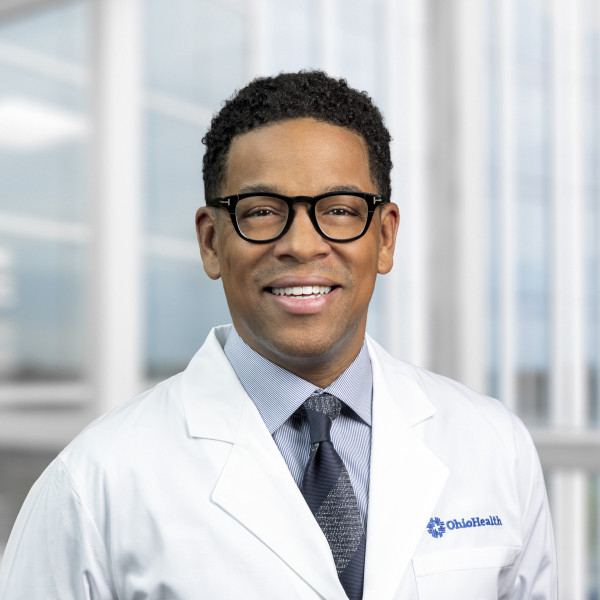 “One might have a propensity towards high blood pressure. One might have a propensity towards high cholesterol. So there can be a hereditary component,” said B.J. Hicks, MD, OhioHealth vascular neurologist and vice president of neuroscience. "It does not matter how you look, how you act, how you feel. Strokes can happen to anyone.”
This sentiment is echoed by Hillary, who recalls the moment she recognized the symptoms in her mother and urged her to seek immediate medical attention.
“She calls me and she says, 'I don't feel so good and I have numbing in my arms’ and I said ‘you’re having a stroke, go to the hospital,’” Hillary said.
Within four minutes, Suzanne said she lost use of most of her left side.
It is crucial to “BEFAST” when it comes to the signs and symptoms of a stroke. This acronym stands for Balance issues, Eyesight changes, Facial drooping, Arm weakness, Speech difficulty, and Time to call 911.
Both Hillary and Suzanne are now advocates for stroke prevention, using their firsthand experiences to educate others and raise awareness.
“Since I can speak, I’m going to speak. That’s how I can make it up to the people who can’t,” Hillary said.
To learn more about OhioHealth’s stroke care, click here.

