

OhioHealth Leader Says Perimenopause Deserves More Attention in Women’s Health
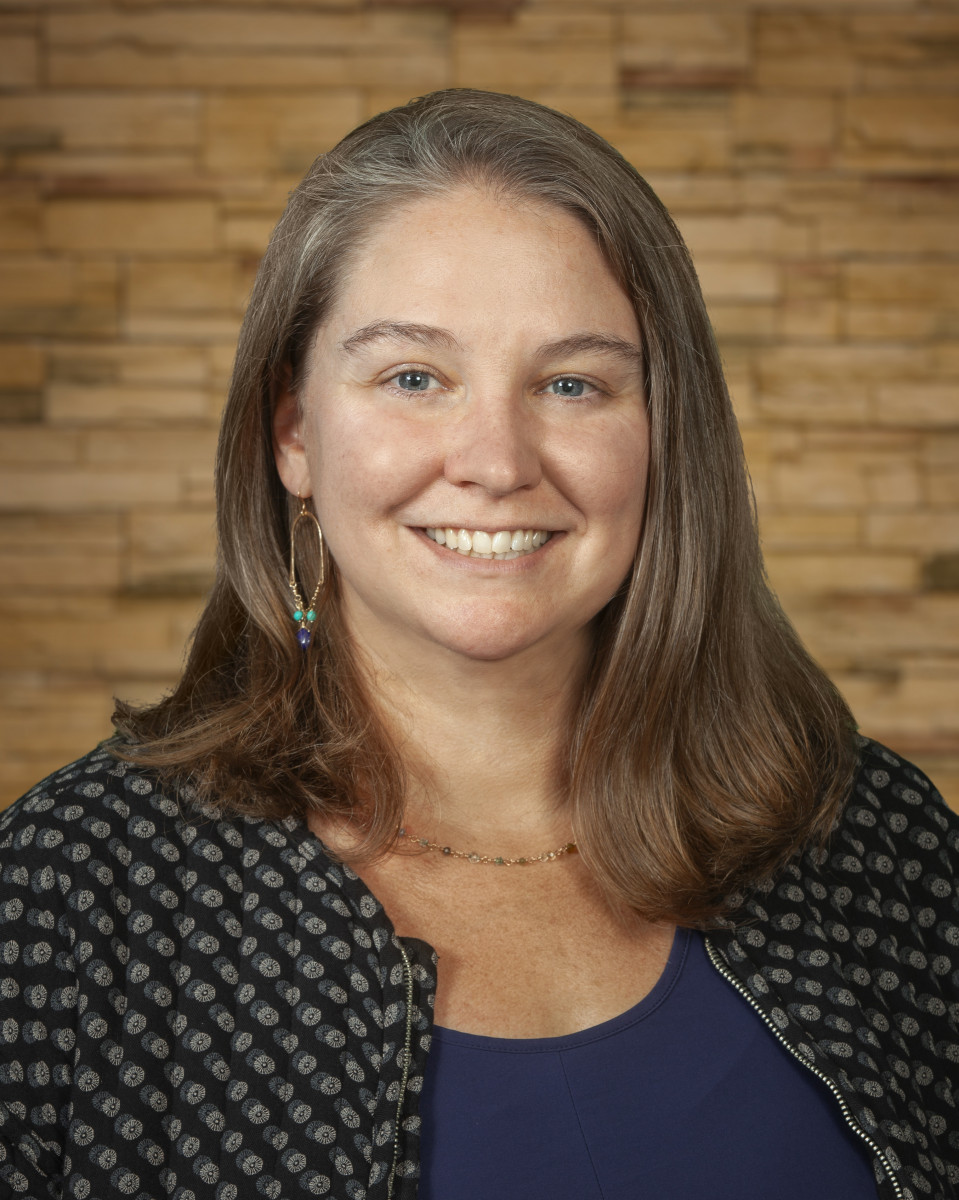
Conversations around perimenopause are gaining traction, and for good reason. Millions of women in their 30s, 40s and 50s are navigating the transition without fully understanding what’s happening to their bodies.
Lucy Bucher, DO, OB/GYN and vice president of Clinical Affairs at OhioHealth O'Bleness Hospital, said it’s encouraging to see this topic becoming more mainstream.
“For too many women, perimenopause has been a mystery, even though it’s a completely normal physiological condition that most women experience towards the middle of their lives,” she said.
While menopause is typically defined as 12 months without a menstrual cycle, the symptoms of perimenopause can begin years earlier, sometimes up to a decade before a woman’s final menstrual period (FMP).
“The process of the menopausal transition is a mirror image of puberty,” Dr. Bucher said. “These are the on and off ramps for the reproductive years - and neither one of those ramps are smooth, direct or predictable.”
Bucher said many of her patients come to her with similar concerns: What are the symptoms of perimenopause? What’s normal and what’s not? And most importantly, can anything be done to manage the discomfort?
“As a patient, you should always feel like your healthcare provider is answering your questions and addressing your concerns,” she said. “While this transition is a normal physiologic process, it doesn’t mean your symptoms should be dismissed - especially if they are impacting your day-to-day wellbeing. There are actions that can be taken to help mitigate the symptoms so you can be your best self.”
If you’re experiencing new symptoms or have questions about perimenopause or menopause, Bucher urged women to reach out to their doctor. Awareness and advocacy, she said, are the first steps toward better care.
To schedule an appointment with a women’s health provider, click here.
To hear more from Dr. Bucher about topics in women’s health, be sure to follow her on LinkedIn.
