OhioHealth Riverside Methodist Hospital First in Nation To Launch Breakthrough Stent
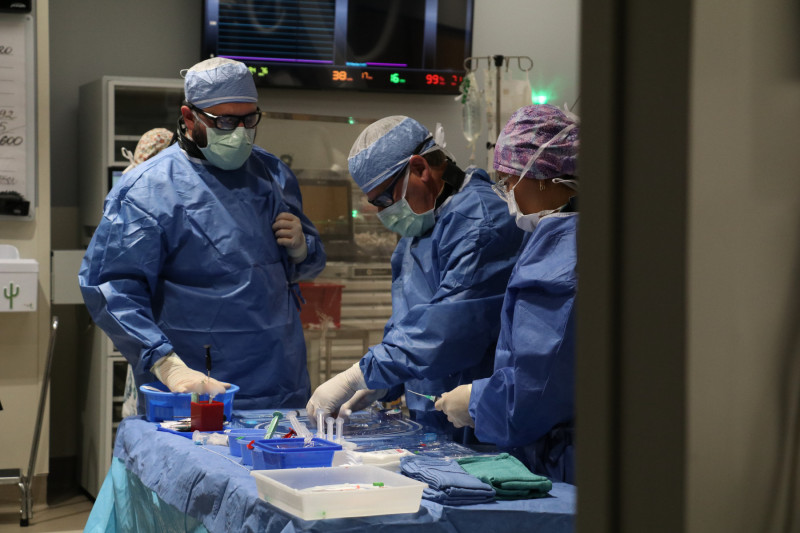
Photo Courtesy: OhioHealth
A National First in Heart and Vascular Innovation
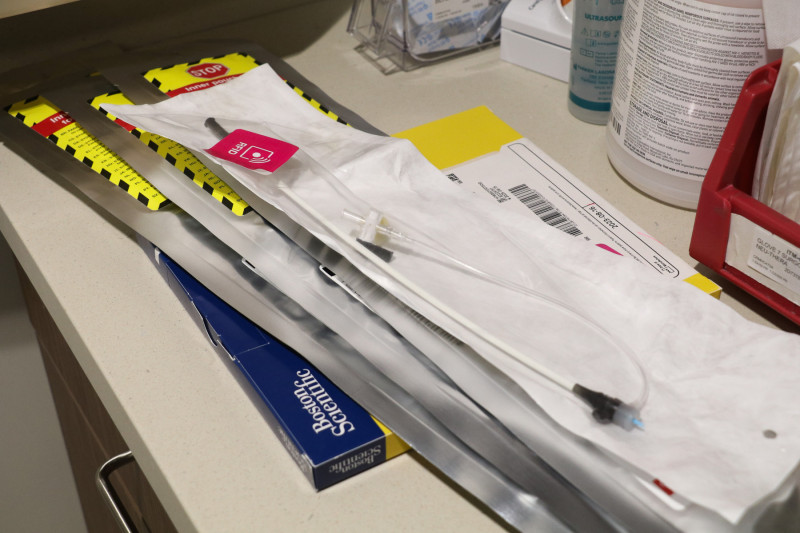
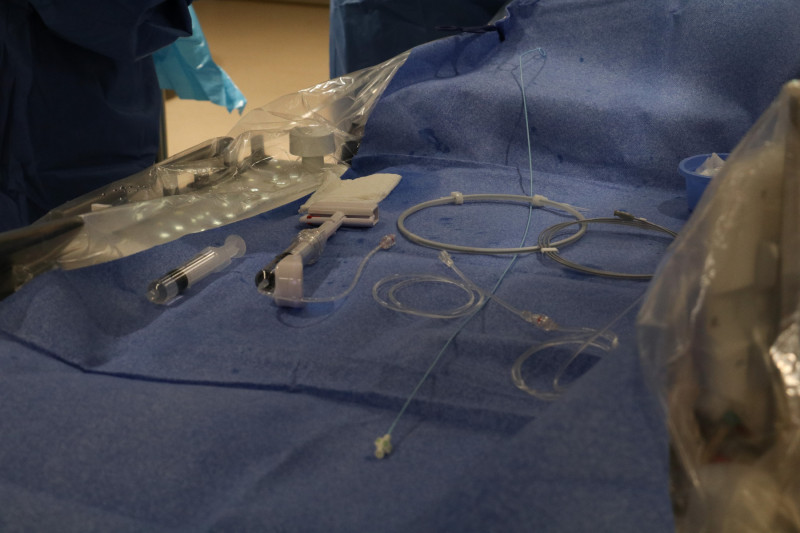
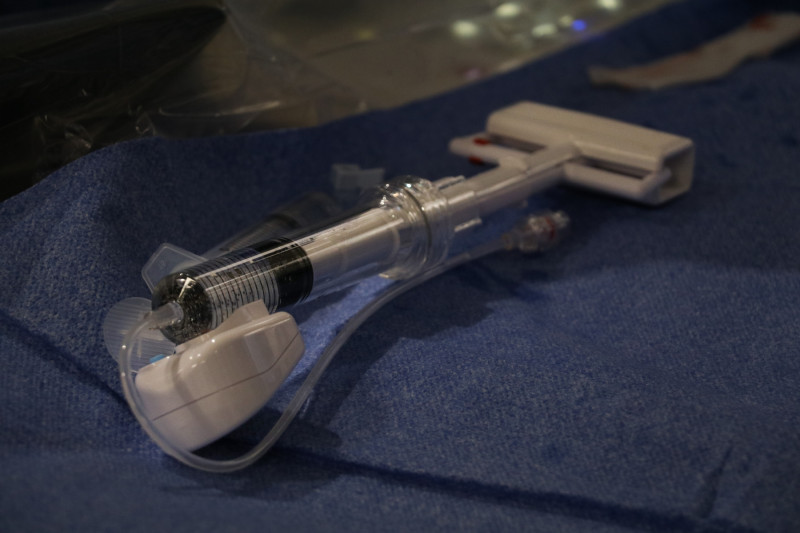
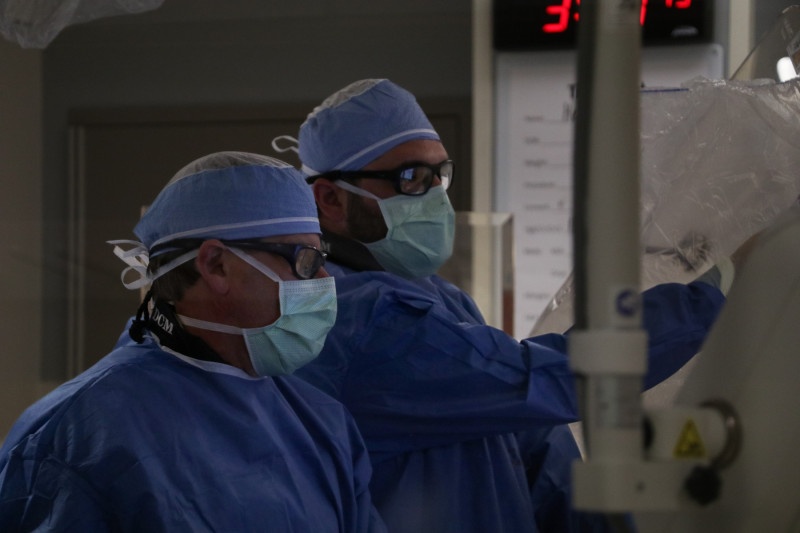
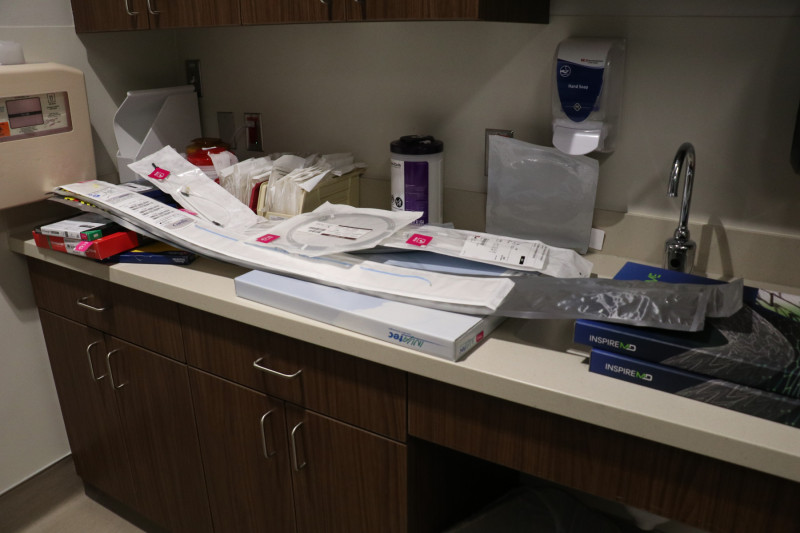
In a groundbreaking moment for cardiovascular medicine, OhioHealth Riverside Methodist Hospital became the first in the nation to perform a commercial procedure using the newly FDA-approved CG Guard Prime Carotid Stent System by InspireMD. Leading the charge was interventional cardiologist Chris Metzger, MD, a nationally respected physician who not only performed the procedure but also served as the primary investigator and lead author of the clinical trial that brought the device to approval.
“It’s a unique honor to be selected to be a primary investigator for a major trial like this,” said Dr. Metzger.
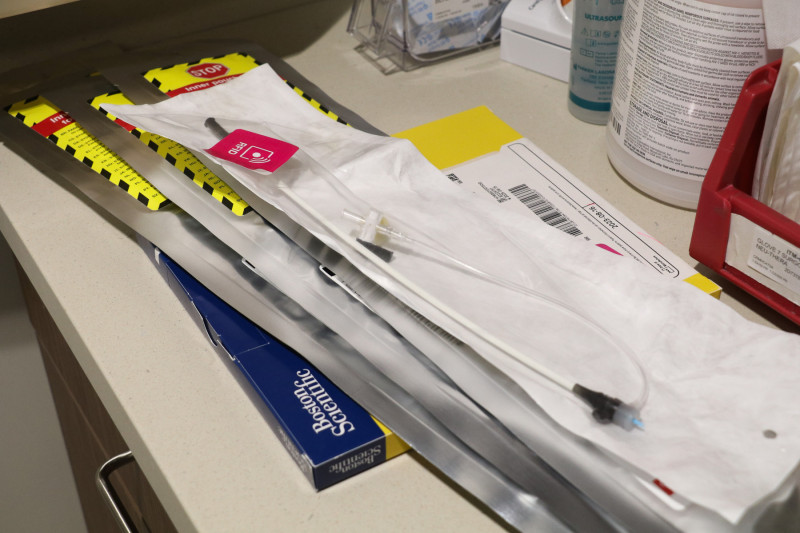 The stent system underwent extensive research involving more than 300 patients across several institutions in the United States and in Europe. With oversight from an expert team of global trial leaders, the study moved from peer-reviewed publication to FDA and CMS approval, setting the stage for this historic first procedure.
In July of 2021, the Trial Began, and in June of 2023, the Study Was Complete
The clinical trial enrolled 316 high-risk patients and was conducted across approximately 25 premier research institutions in the United States and in Europe.
The results of the study were presented by Dr. Metzger at the 30-day mark during the Vascular Interventional Advances (VIVA) conference in Las Vegas. It is one of the largest multidisciplinary vascular disease meetings in the country. The data was featured as a late-breaking clinical trial, highlighting its significance and immediate clinical impact.
At the 1-year mark, the trial was presented again but this time on an international stage. The findings were presented at the Leipzig Interventional Course (LINC) conference, one of Europe’s most respected vascular meetings.
“Fast forward to when the trial got completed, it was the best data every seen in a carotid intervention trial,” said Dr. Metzger. “It demonstrated the lowest stroke, death, and myocardial infarction rates within 30 days of the procedure and strokes on the treated side ever demonstrated in a carotid trial.”
With all of the data collected from the trial, it was formally submitted to the U.S. Food and Drug Administration (FDA) and Centers for Medicare & Medicaid Services (CMS) resulting in full approval for commercial use.
OhioHealth Riverside Methodist Hospital Performs the First Commercial-Use Surgery
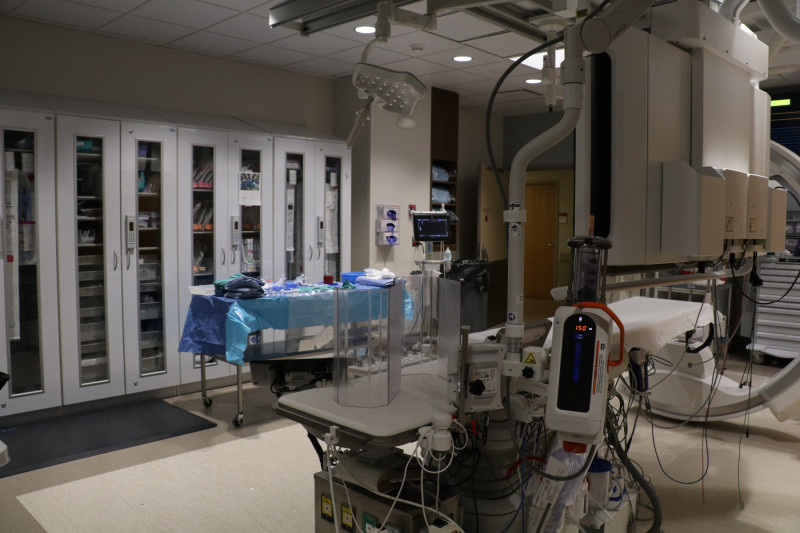
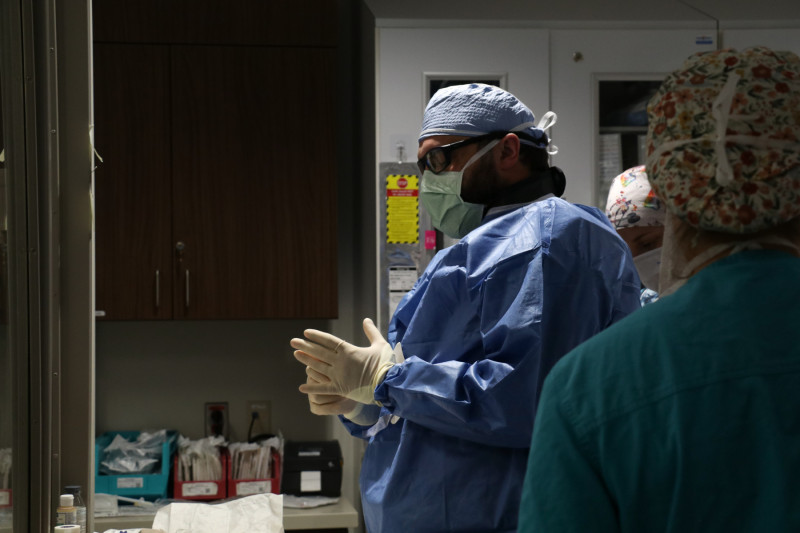
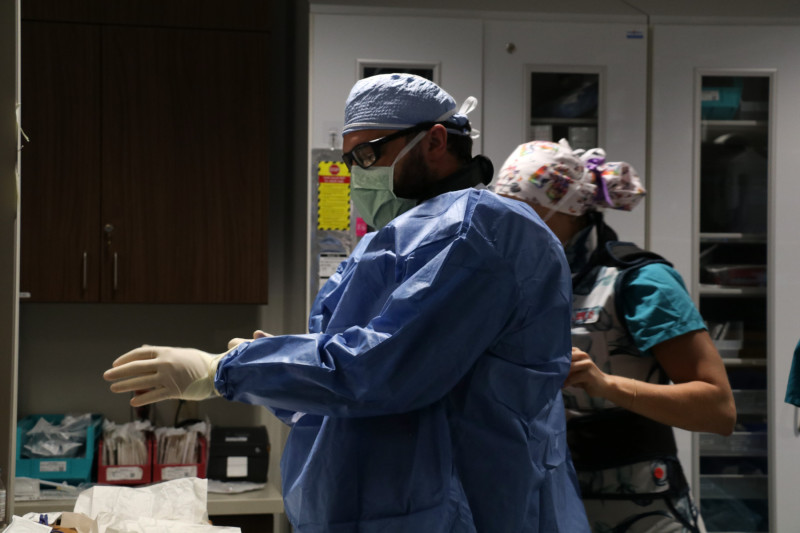
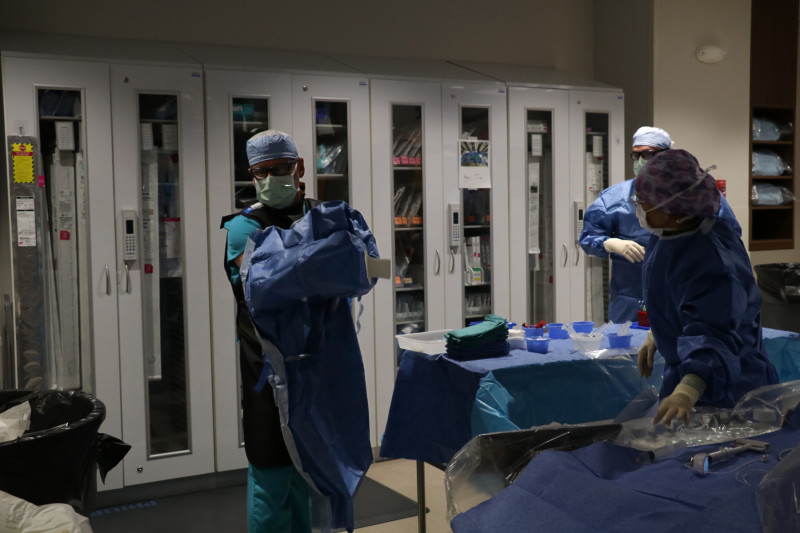
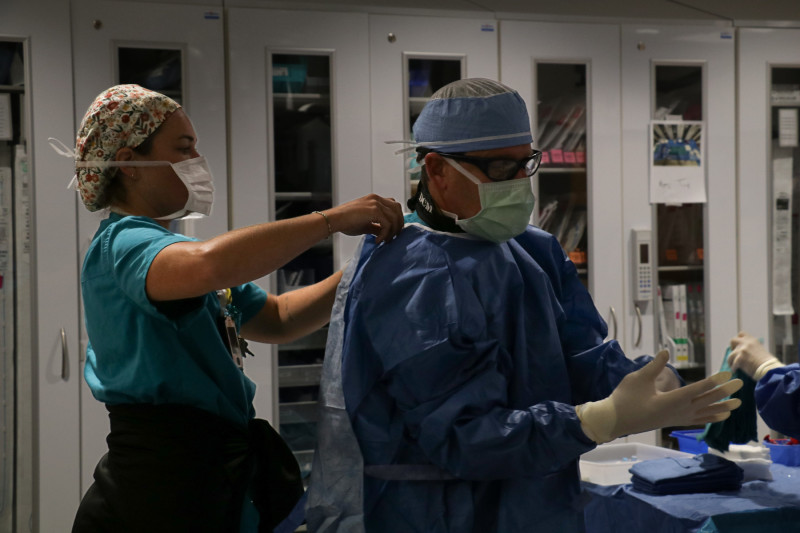
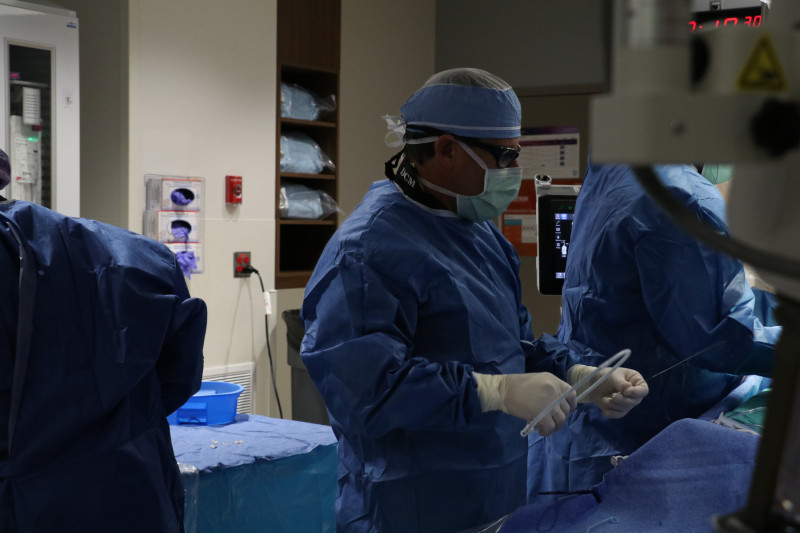
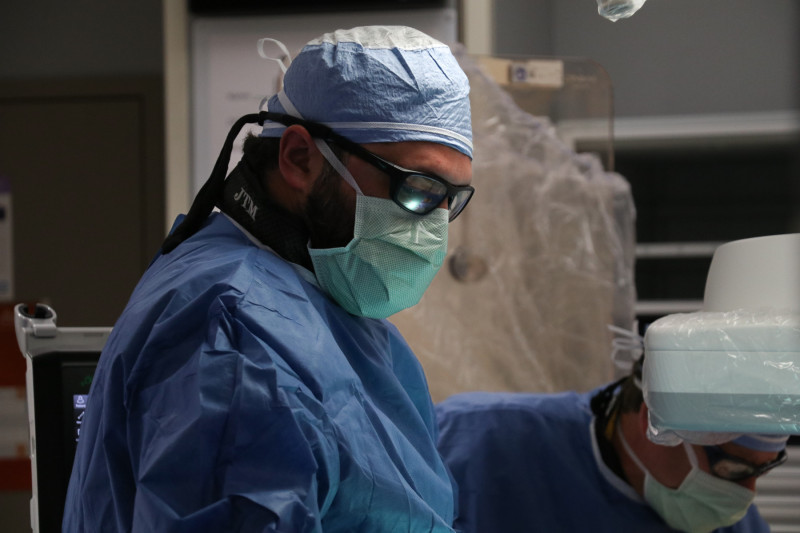
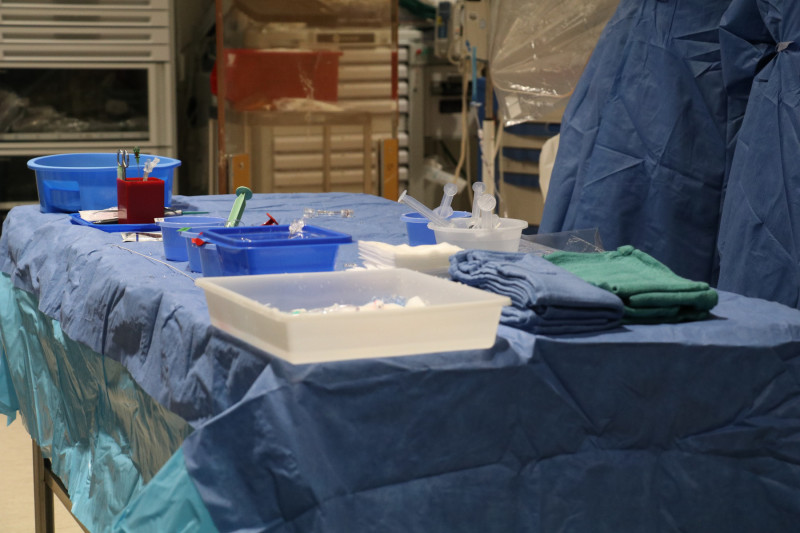
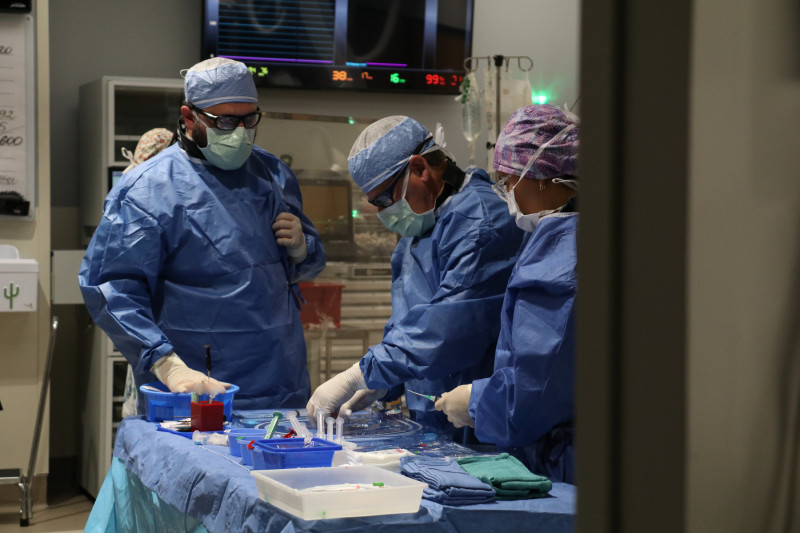
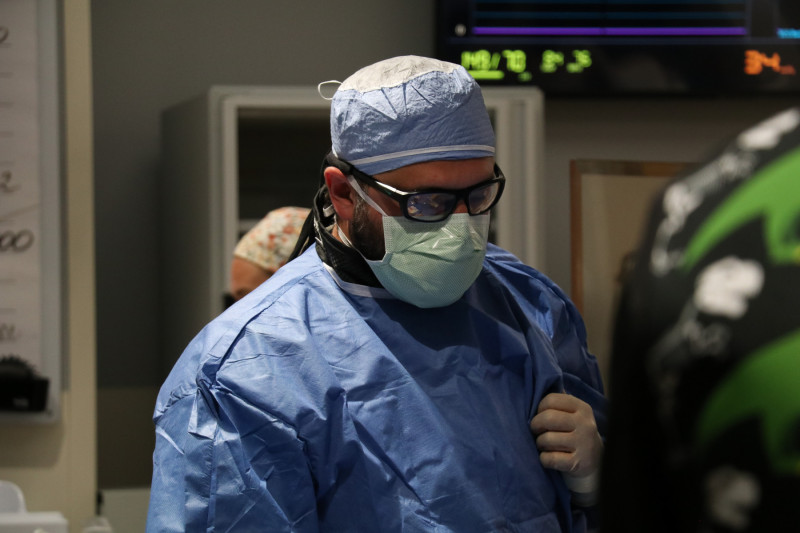
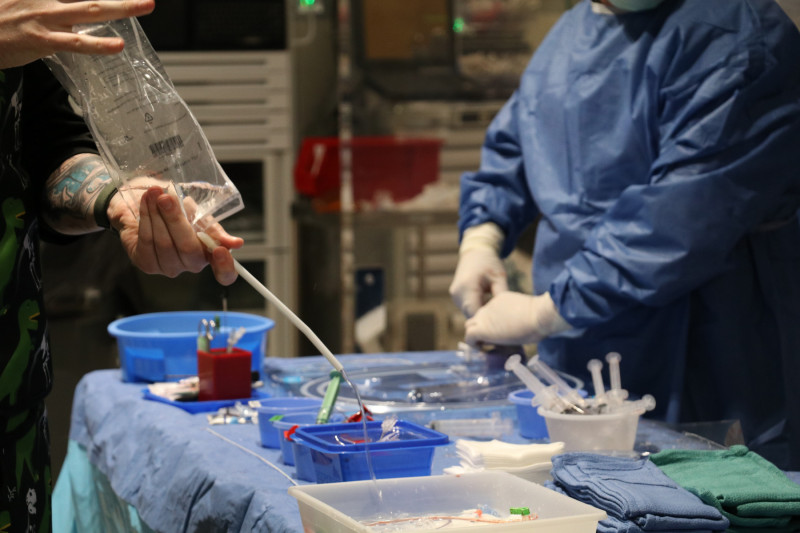
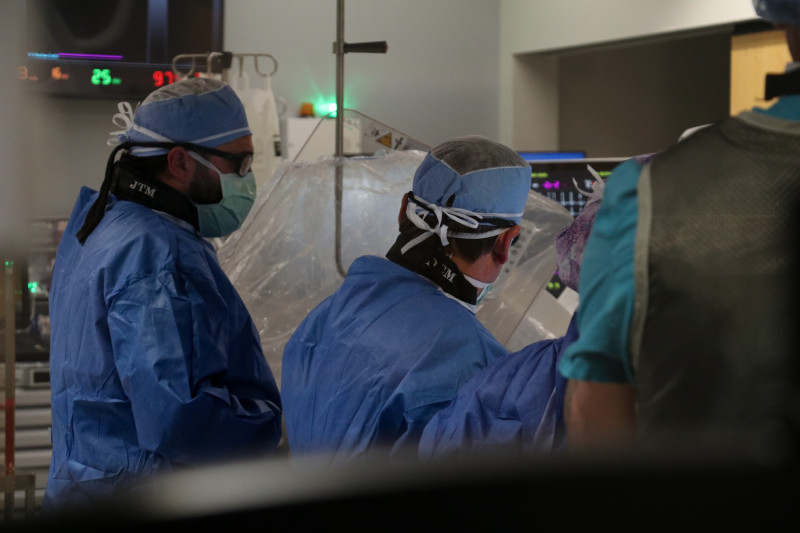
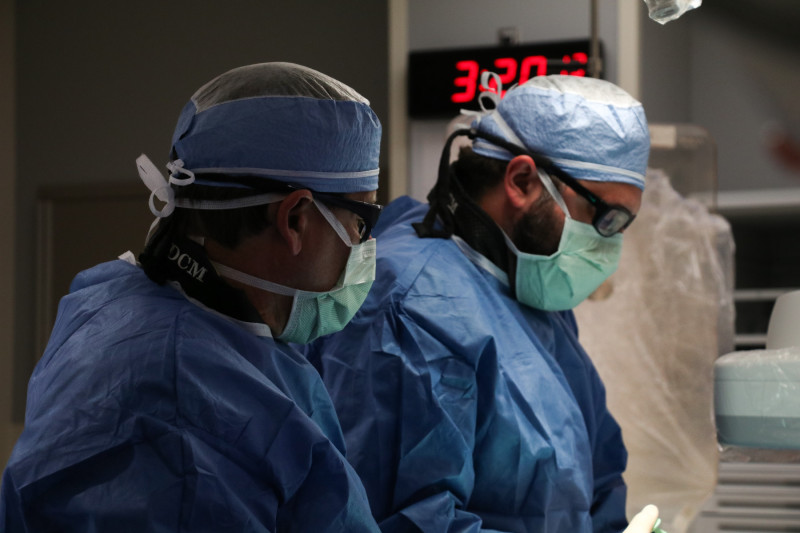
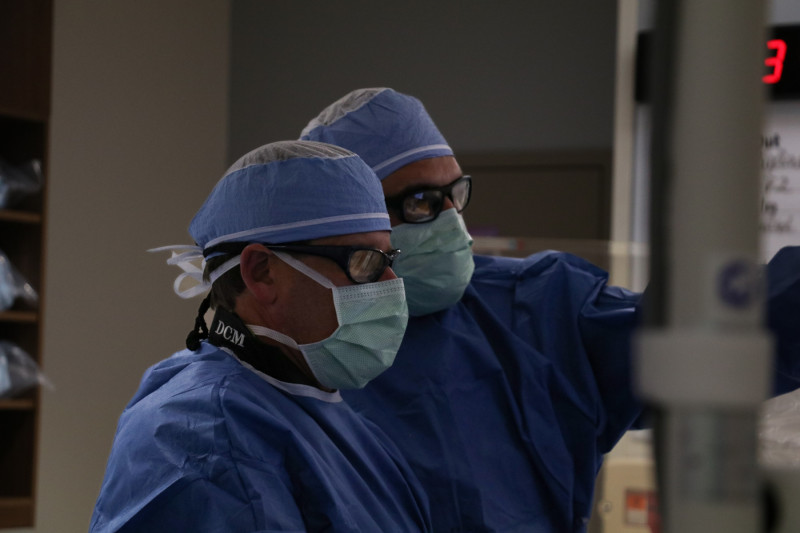
On July 8, 2025, representatives from Inspire MD traveled to Ohio to be present at Riverside Methodist, where Dr. Metzger and Justin Morrison, MD, OhioHealth interventional cardiologist, successfully performed the first-ever commercial clinical use of the newly FDA-approved stent.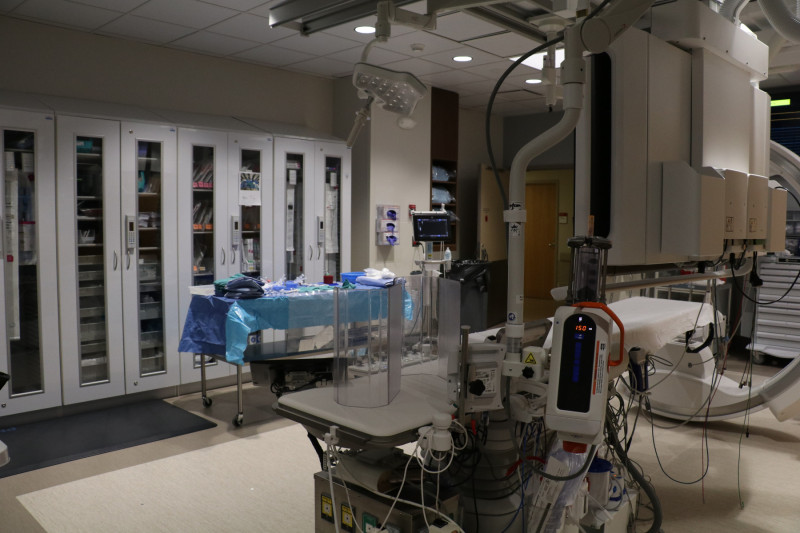
Riverside Methodist was selected to perform the first-ever commercial use of this innovative stent, a milestone in heart and vascular care.
“The hospital was chosen for its outstanding reputation, well-known for performing live-case transmissions, clinical research, cutting-edge technologies, and the proven expertise of its world-class heart and vascular team,” Dr. Morrison said.
How the CG Guard Prime Carotid Stent System Works
Most stents used, act like a scaffold that is placed in a carotid artery to help keep it open and prevent plaque from breaking loose and traveling to the brain during a stent procedure or after. A major concern of a carotid artery with plaque traveling up to the brain is a high risk of stroke in patients.
“What this stent did was took what’s called an open-cell design, in other words the cells are not as rigorously connected so that makes it more flexible, but they added on to the outside of that deliverable open-cell stent what’s called a micro net,” Dr. Metzger said.
The micro net, or micro mesh, acts as a “screen door” on the outside of the stent to trap the plaque.
“Not only during the procedure itself, but after the procedure there’s a small amount of plaque that can get through the openings of stents and then to the brain, but this stent does away with that,” said Dr. Morrison. “Both during after the stent procedure, it gives protection against any of the plaque getting inside the artery and then up to the brain.”
 Carotid artery disease is an atherosclerotic accumulation within the carotid arteries similar to the process which occurs within coronary or peripheral arteries.
“If someone has a significant blockage in their artery, that leads to a chance of an unpredictable stroke that happens quickly without warning,” Dr. Morrison said.
According to Dr. Metzger, in the trial data collected, 25% of the patients enrolled were symptomatic and had strokes or mini strokes within six months of the procedure. The patients were considered high-risk for carotid endarterectomy surgery and qualified for the study to use this specific stent.
“This product gives us the option to offer some of the lowest stroke rate results during and after the procedure, so it’s the newest technology that is coming to the patients served by OhioHealth to give them cutting-edge and proven technology and even more high-quality care,” Dr. Metzger said.
Symptoms To Watch Out For:
• Sudden clumsiness or weakness in one side or one part of the body
• Expressive Aphasia – Difficulty producing speech or words/ slurring of words despite having a clear understanding in the mind of the correct speech or words.
• Amaurosis Fugax – Suddenly loss of vision in one eye for a moment without reason. According to Dr. Metzger, in that case, a piece of plaque broke loose and went up to the eye artery.
• Mouth drooping.
“These symptoms, and a carotid artery could happen to anyone, any age,” said Dr. Morrison. “However, it is typically seen in patients who have the same risk factors as heart disease including diabetics, smokers, people with family history of heart disease, high cholesterol, hypertension, and age.”
A Landmark Milestone for OhioHealth Riverside: First in the U.S. to Launch Innovative Stent Technology
The launch of a groundbreaking new stent marks a significant moment for Riverside Methodist, both locally and nationally.
“I think the significance is that a company with strong clinical results, and great confidence in their product, specifically chose Riverside Methodist and our team to be the first in the U.S.,” said Dr. Metzger. “This speaks volumes about the reputation and capability of our hospital and our people.”
Dr. Metzger emphasized that the successful launch was the result of a coordinated, multidisciplinary effort to ensure the stent was approved, prepared, and deployed with the highest level of care.
“This was truly a team effort,” said Dr. Metzger. “From Cari Ice, Riverside’s administrative manager, and her team, to interventional cardiologist Dr. Justin Morrison who performed the procedure alongside me, to our expert heart and vascular Cath Lab team, everyone played a vital role. Their commitment to excellence and innovation ensures patients continue to receive world-class care.”