

OhioHealth Utilizes Specialized Procedure To Help Patients With High Blood Pressure
According to Medtronic, 1 billion people worldwide are living with high blood pressure and 46% of adults are unaware they have it. OhioHealth is collaborating with Medtronic, a worldwide medical device company, to introduce and implement the Symplicity procedure to help patients with hypertension. The Symplicity™ procedure is a minimally invasive treatment that calms excessively active nerves near the kidneys (renal denervation) that may be contributing to high blood pressure. It works alongside the medications patients already take and lifestyle changes they make to help control their blood pressure.
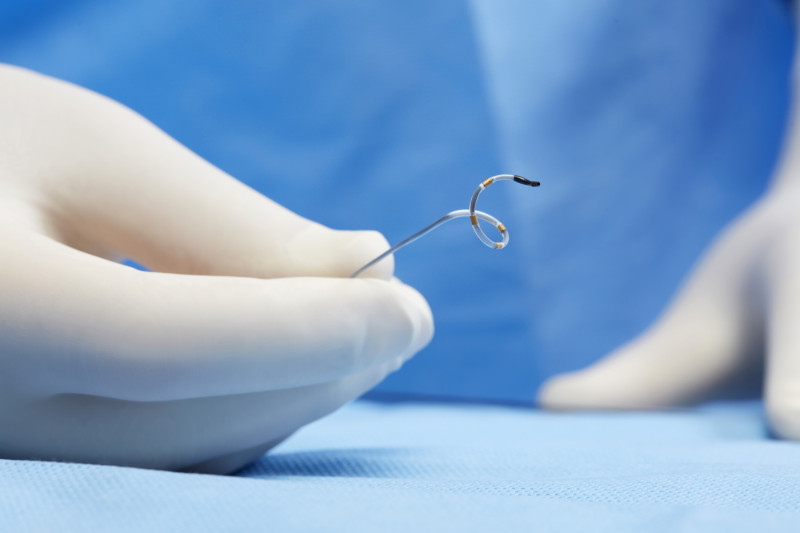 OhioHealth Riverside Methodist Hospital’s first procedure was performed on Feb. 28, 2025.
“OhioHealth Heart and Vascular physicians are at the forefront of cardiovascular innovation, actively leading and participating in cutting-edge clinical trials,” said Subha Raman, MD, OhioHealth vice president of heart and vascular. “Our involvement not only offers patients access to the latest advancements in care but also underscores our position as recognized experts in the field.”
“The burden of downstream cardiovascular complications related to hypertension is significant,” said Joseph Campbell, MD, OhioHealth cardiologist. “Previously, some of our most difficult to treat patients, including those with resistant hypertension, multiple medication intolerances, and prior cardiovascular + cerebrovascular events related to uncontrolled hypertension, had limited options.”
With renal denervation, the OhioHealth physicians and team are now able to offer an effective, evidenced-based procedure to complement a patient’s current therapy and hopefully achieve improved blood pressure control.
According to Dr. Campbell, the system that was used previously was purpose-built with an improved understanding of the underlying pathophysiology.
“With this in mind, both the device design and the procedural approach have evolved, which is likely a primary driver of the significant findings in the clinical data set ultimately leading to FDA approval,” Dr Campbell said.
In the United States, guidelines from the American Heart Association define high blood pressure, often known as hypertension, as any value greater than 130/80 mmHg.
"Hypertension is one of the leading risk factors for heart disease and stroke — two of the most common causes of death in the United States,” Justin Morrison, MD, OhioHealth interventional cardiologist said.
Dr. Morrison shared it is also incredibly common, affecting an estimated 40-50% of all U.S. adults. Common risk factors of hypertension are family history, weight, age, race, diet, stress, consuming too much alcohol, inactivity or sedentary lifestyle or using tobacco. Most of the time there are no symptoms, but health risks of untreated or not managed high blood pressure could lead to health risks including a heart attack, heart failure, stroke, and kidney failure.
One of the challenges in managing hypertension is that it often presents no symptoms, making early detection critical.
“Many people do not know they have high blood pressure until they experience a serious event like a heart attack or stroke,” said Dr. Morrison. “That’s why regular blood pressure checks — whether at your doctor’s office or at home — are so important.”
Early recognition and treatment can dramatically lower a person’s risk.
“At OhioHealth, we recognize both the complexity and challenges of managing high blood pressure,” said Dr. Morrison. “That is why we have developed the new Hypertension Clinic — a dedicated program that takes a comprehensive, personalized approach to blood pressure management. If you're concerned about your blood pressure, talk to your doctor about whether a referral to our clinic may be right for you.”
For questions or concerns regarding high blood pressure or managing hypertension, click here.
