

Prioritize Your Screening This Breast Cancer Awareness Month
October is here, which means it's Breast Cancer Awareness Month—a time to encourage both women and men to prioritize screenings and learn how to prevent the disease. With one in eight women diagnosed with breast cancer in their lifetime, early detection can make all the difference.
For women without any risk factors, mammograms can begin at age 35 for a baseline, with annual screenings starting at 40. However, those at higher risk may need to start the screening process earlier.
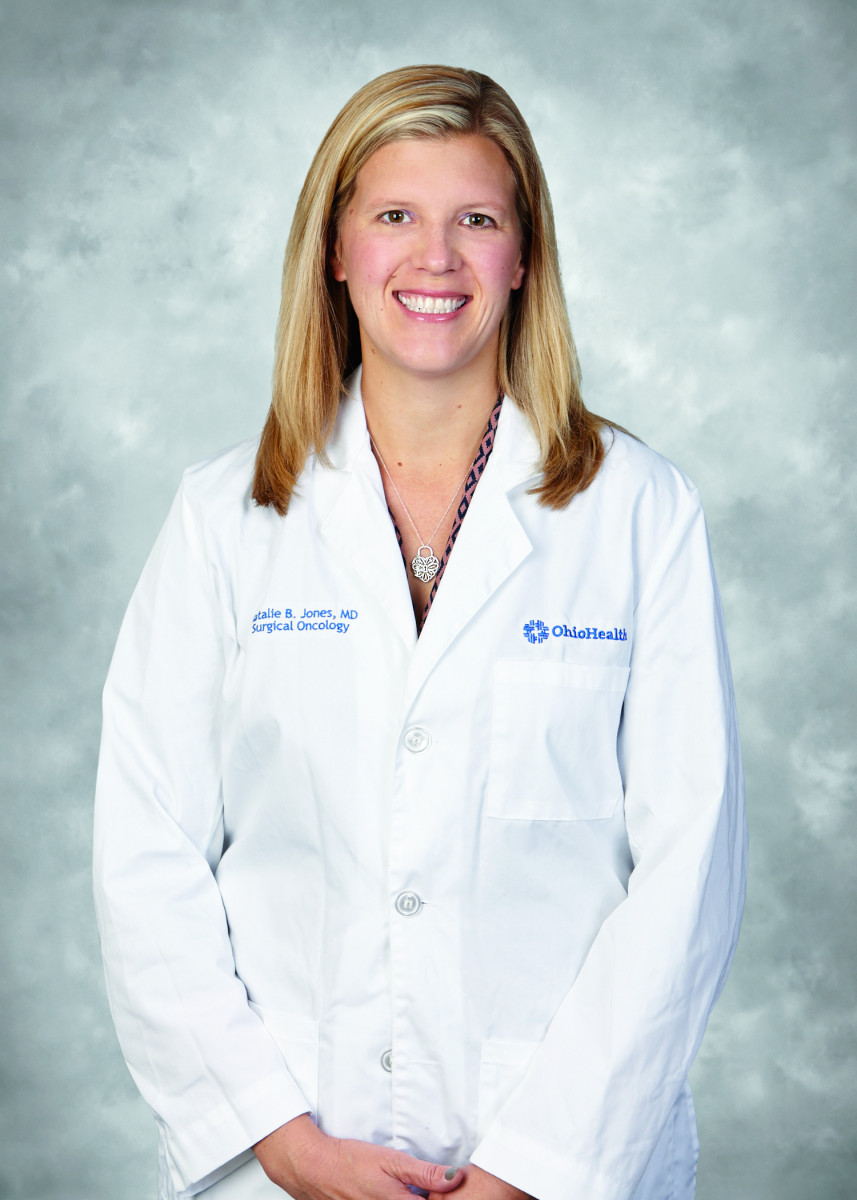
“Particularly if there’s family members that were diagnosed at young ages with breast cancer, we would start 10 years prior to the youngest affected family member,” Natalie Jones, MD, a breast and melanoma surgeon surgical oncologist with OhioHealth, told NBC4 anchor Rachel Ramsey. “For example, if their mother was diagnosed with breast cancer at 42, we would start screening at age 32 rather than waiting into their 40s.”
Breast cancer cases are on the rise in recent years, especially in younger women in their 30s and 40s, said Dr. Jones. For individuals with a family history or other risk factors, options like BRCA Genetic Testing are available.
“The ones that people are most familiar with now are BRCA1 and 2 mutations. But there’s probably 25 or more genes we can screen for now that are associated with increased risk of breast cancer,” Dr. Jones said.
In addition to mammograms, doing monthly self-exams is a great way to stay on top of your health. Check for any changes, like lumps or skin differences, and if you notice anything unusual, reach out to your doctor for further testing.
“Just finding these changes early can really be lifesaving,” Dr. Jones said. “Those things can be significant and then it can be worked up to determine if they are related to malignancy.”
OhioHealth recommends women follow the current National Comprehensive Cancer Network guidelines below. Mammography has proven to save lives through early detection.
- Screening mammogram beginning at age 40 for all women of average risk
- An annual clinical breast exam by a doctor
- Monthly breast self-awareness
- Specific mammogram screening guidelines can be discussed with your OhioHealth physician.
- Women should talk to their doctors about the screening that is right for their individual needs.
- Women at high risk for breast cancer may need more frequent or earlier mammogram screening.
To schedule an appointment or to learn more, click here.

