The American College of Surgeons Verifies OhioHealth Dublin Methodist Hospital as a Level III Trauma Center
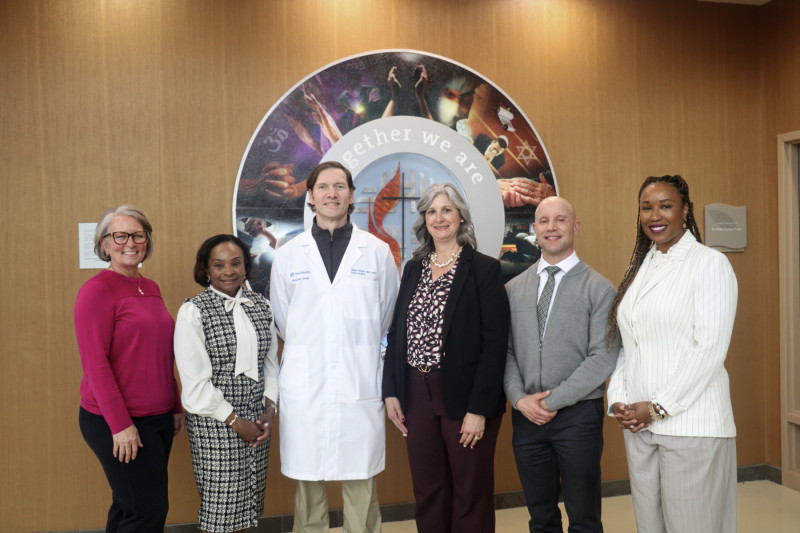
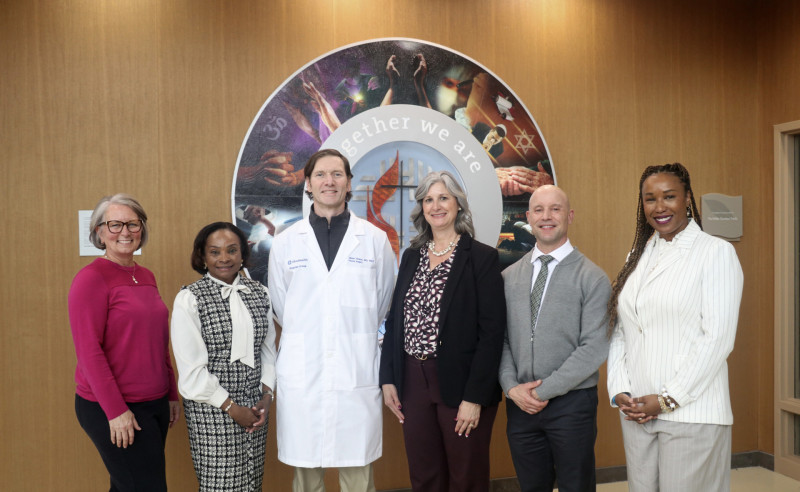
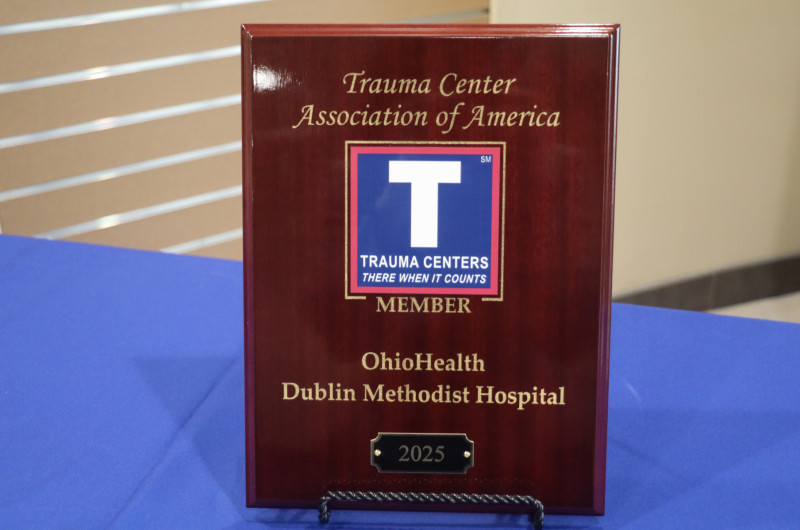
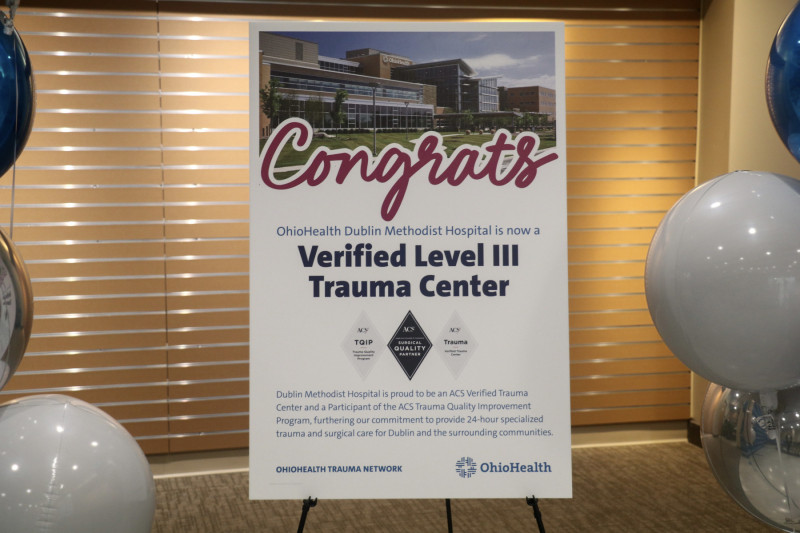
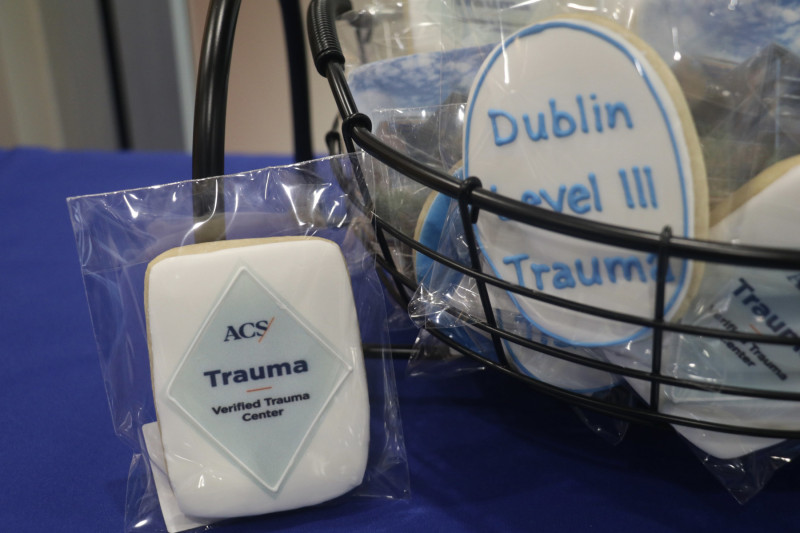
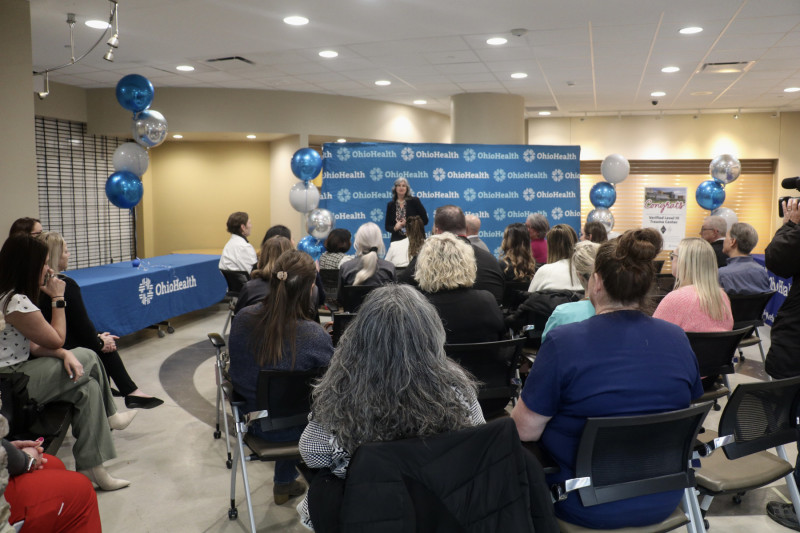
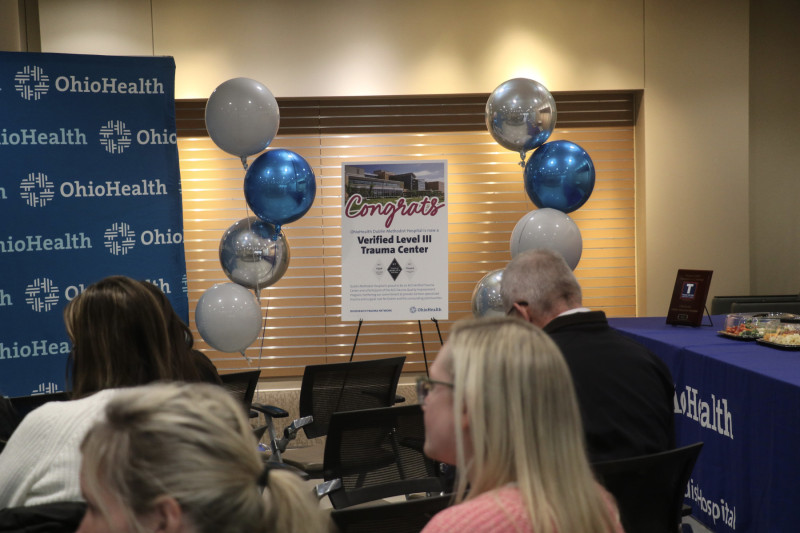
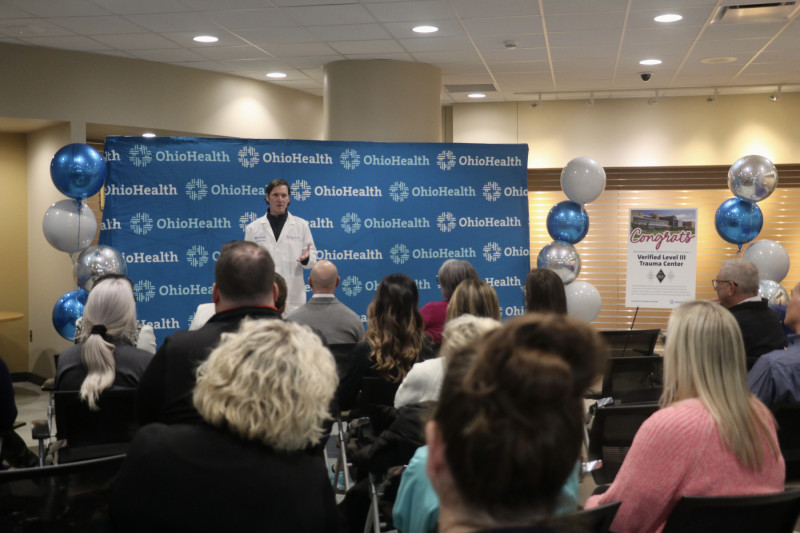
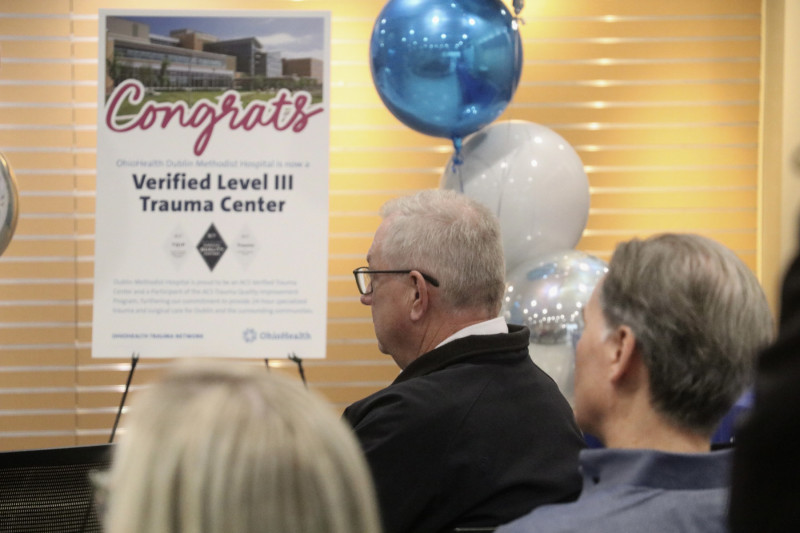
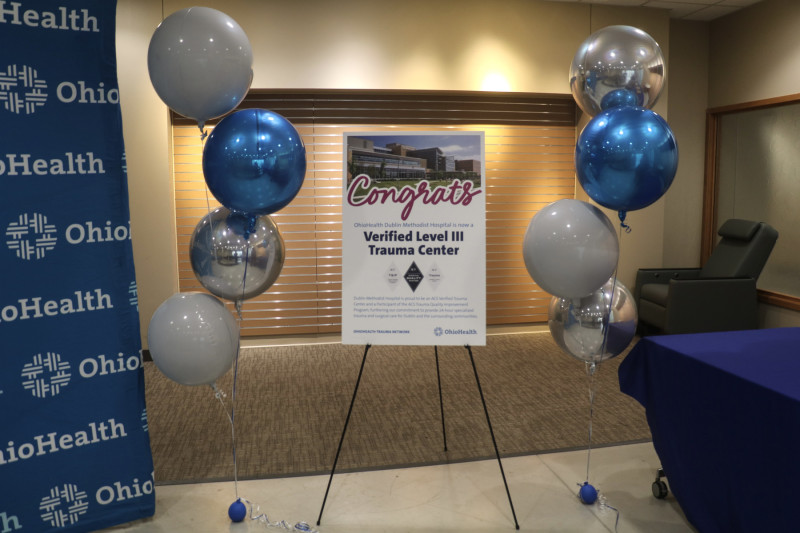
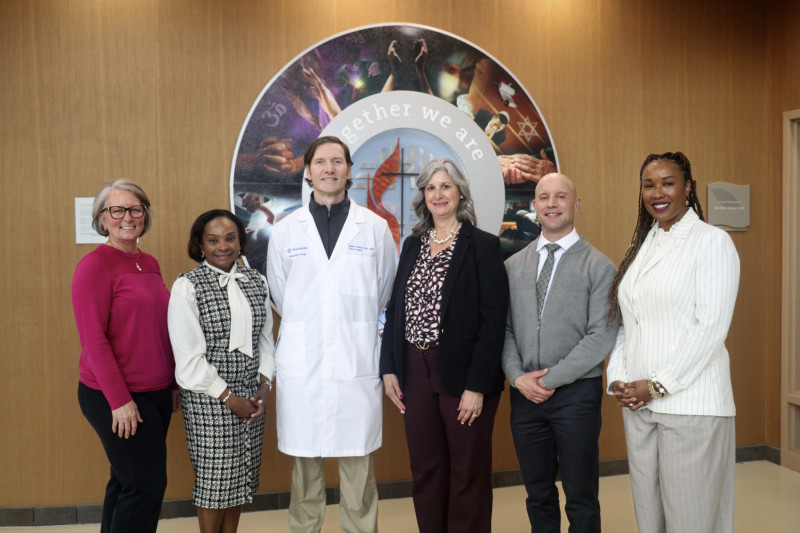
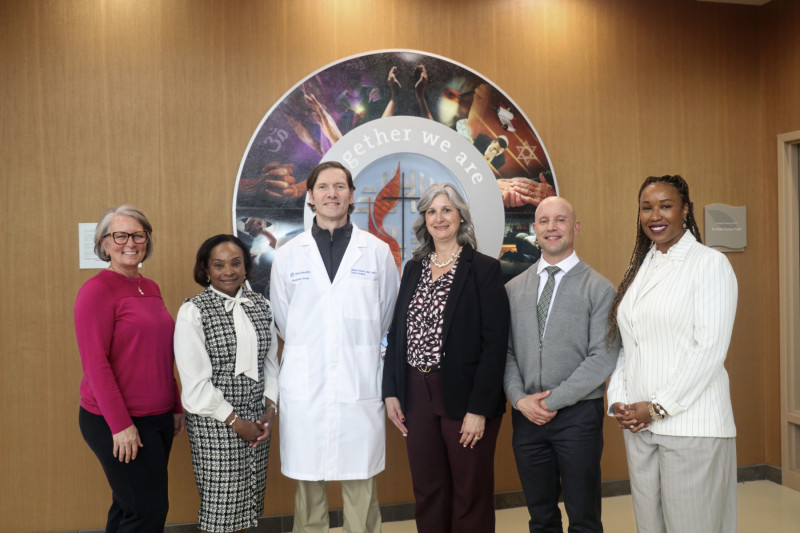 On Monday, March 16, OhioHealth Dublin Methodist Hospital celebrated its recent verification from the American College of Surgeons (ACS) as a Level III Trauma Center, marking a significant milestone for the hospital and the growing community it serves.
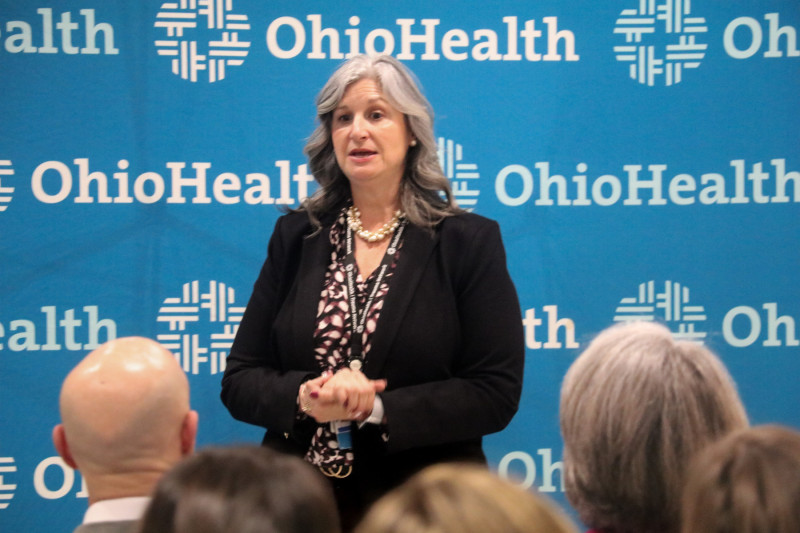
“Achieving Level III Trauma Center verification status reflects our commitment to meeting the needs of our community close to home,” said Cherie Smith, PhD, MBA, RN, president of OhioHealth Dublin Methodist Hospital and OhioHealth Grady Memorial Hospital. “This designation ensures patients have timely access to high-quality trauma care right here in Dublin.”
The State of Ohio mandates a provisional period of operation before trauma programs can receive final verification. In November 2024, the state of Ohio granted the hospital Provisional Level III Trauma Center status[HJ1] , making it the first and only trauma center in the Dublin community, including the state Route 33 corridor.
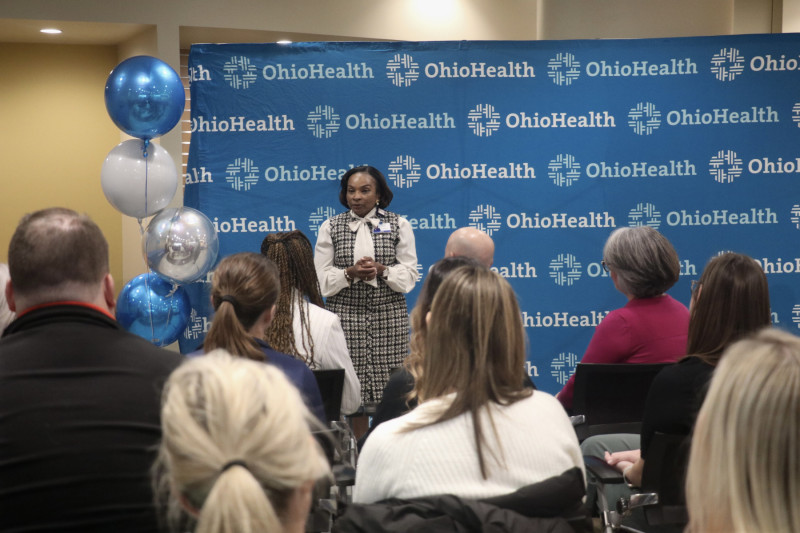
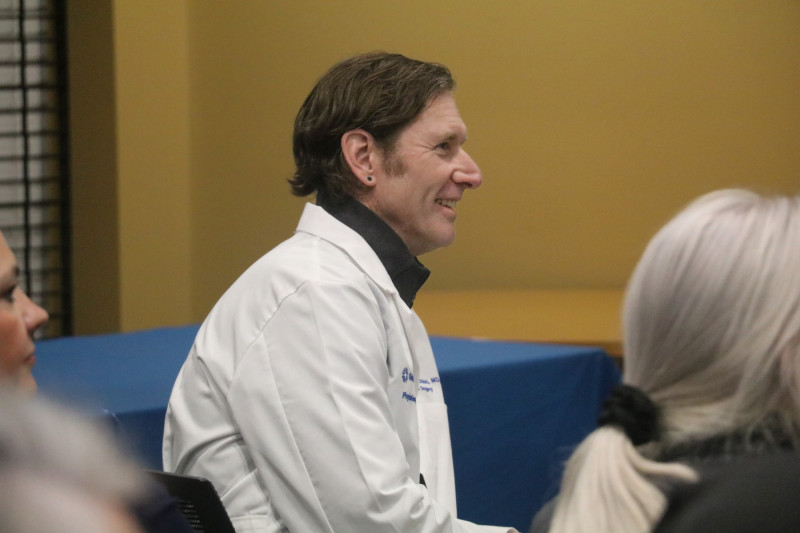
“In Ohio, trauma centers are initially granted provisional status. Following this provisional period, the center must then undergo verification to continue to operate as a trauma center,” said Jason Straus, MD, FACS, trauma medical director at OhioHealth Dublin Methodist Hospital. “During this verification, expert trauma surgeons from the American College of Surgeons Committee on Trauma evaluated the program over two days. The Dublin Trauma Program met all standards for Level III trauma center verification.
Dr. Straus also serves as a reviewer for the American College of Surgeons and evaluates trauma programs across the country.
In Ohio, all trauma centers must be verified by the American College of Surgeons. Trauma centers are designed to provide specialized resources for the injured patient to minimize the time needed to deliver definitive care and to support recovery. The Dublin Trauma center treats a wide variety of injuries to the brain, chest, abdomen, spine, and extremities.
This designation aligns with Dublin Methodist’s ongoing expansion project, the largest since the hospital opened in 2008. The expansion will increase inpatient and critical care capacity while also strengthening trauma services.
Straus said the hospital’s mission is to keep care local. There is, however, a small fraction of patients that require additional resources. In these cases, patients are stabilized and then transferred within the system to OhioHealth Riverside Methodist Hospital or OhioHealth Grant Medical Center, both part of the OhioHealth Trauma Network.
Dublin Methodist saw almost 1,200 patients in calendar year 2025. As a system, OhioHealth treats over 16,000 trauma patients from almost every county in the state.
“It’s important for Dublin Methodist to match the needs of the community, and as the community grows, unfortunately more people get injured during day-to-day life,” Straus said. “So, it’s important to have a hospital in this area that has the specialized capabilities to take care of injured patients effectively.”
Falls and motor vehicle collisions are the hospital’s two most common mechanisms of injury, Straus said.
“It’s prevalent in every trauma center, but more so in Dublin based on our demographics. The older adult population is more prone to these types of injuries.”
Trauma care requires coordination across multiple disciplines and departments. Physicians from various specialties work in collaboration from the moment a patient arrives.
“In the trauma world, we like to say that trauma is a team sport,” Straus said. “In addition to physicians from multiple specialties, advanced practice providers and nursing staff both provide the continuum of trauma care from emergency department admission to discharge from the hospital.”
In addition, trauma care extends beyond providers and nursing staff. Pharmacists, therapists, and social workers also collaborate to support patient recovery both while in the hospital and as they reenter the community.
Straus said the trauma program’s mission also includes education and outreach efforts throughout the community.
“We provide trauma education to our EMS partners and the greater Dublin region. The program’s outreach efforts are directed to prevent injury from falls, motor vehicles, and firearms. Dublin Trauma also offers Stop the Bleed training, a program that empowers community members to administer lifesaving care prior to the arrival of EMS,” Dr. Straus said.
Photo courtesy: OhioHealth