

Understanding HPV and the Vaccine That Helps Prevent Cancer
About 80 percent of people will be infected with Human Papillomavirus (HPV) at some point in their lives. Spread through intimate skin-to-skin contact, HPV is not just common, it’s also linked to the development of several types of cancer.
While most HPV infections clear on their own, certain high-risk strains can persist and cause pre-cancer or cancer of the cervix, vagina, vulva, anus, penis and head and neck. In the United States alone, nearly 40,000 people are diagnosed with HPV-related cancer each year.
Despite how widespread HPV is, there’s good news: prevention is possible.
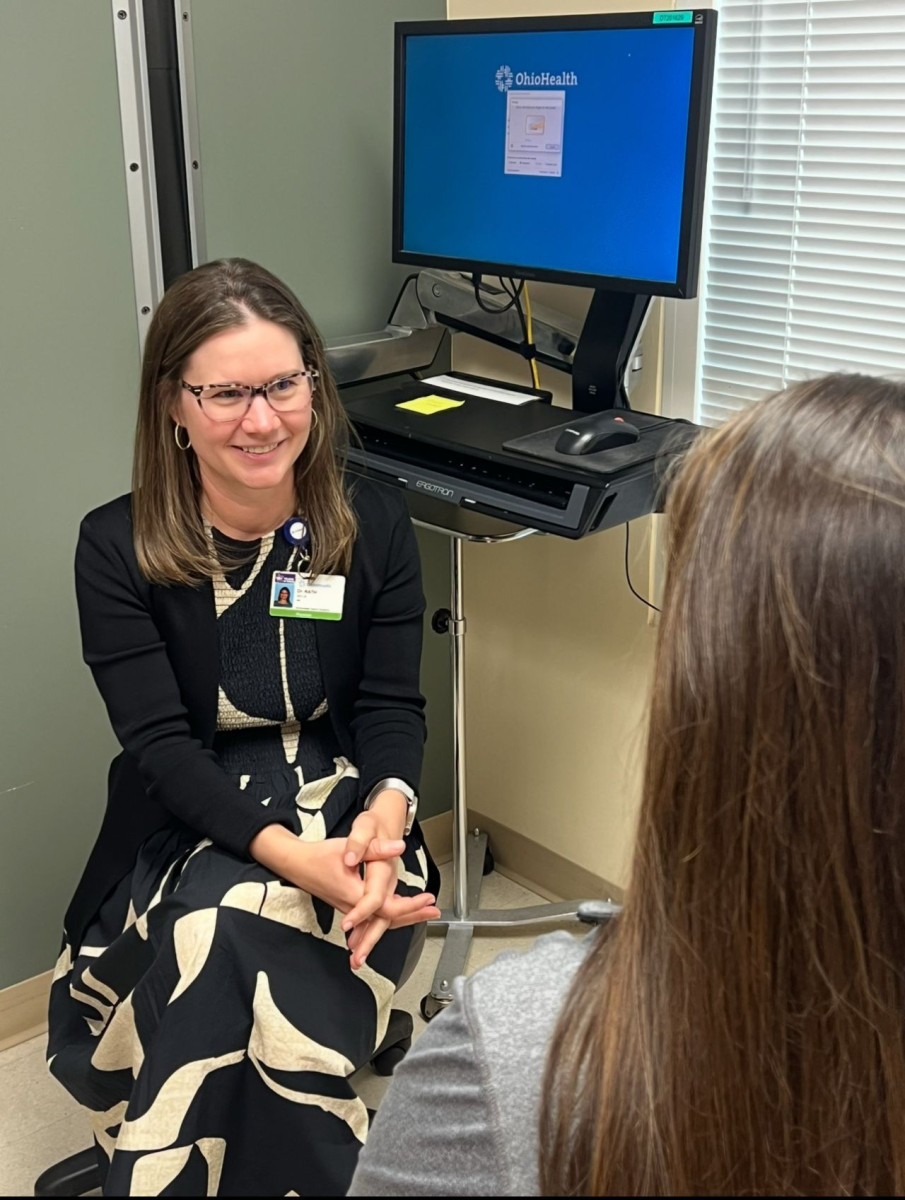
"Every day in the office I answer questions about cancer prevention," said Kellie Rath, MD, a gynecologic oncologist with OhioHealth. "Did you know we have a vaccine to prevent cancer?"
The HPV vaccine is a safe and effective way to prevent infection and the cancers caused by HPV. It's recommended that children receive the vaccine between the ages of 9 and 11. However, if someone missed getting vaccinated as a child, it's approved for individuals up to age 45.
"Healthcare is self care," Dr. Rath said. "Check in with yourself and your loved ones to be sure they are up to date with vaccination and screening."
Regular screening for cervical cancer is an important way to catch potential problems early. Healthcare providers typically recommend starting cervical cancer screening at age 21, with follow-up screenings every three to five years.
Two tests are commonly used. A pap smear collects cells from the cervix to check for cancerous or pre-cancerous changes and an HPV test looks for the presence of high-risk types of HPV that can lead to pre-cancerous changes.
To hear more from Dr. Rath on a variety of topics in cancer care, be sure to follow her on LinkedIn.
