Woman's Breastfeeding Concern Leads to Life-Saving Cancer Discovery
For Kathryn Cousins, the challenges of motherhood took an unexpected turn when she started having difficulties breastfeeding her son. In 2022, Cousins consulted her doctor after struggling to nurse her youngest, Cooper. Jessica Tucker, DO, family medicine physician and lactation specialist with OhioHealth, immediately recognized that the issue went beyond breastfeeding.
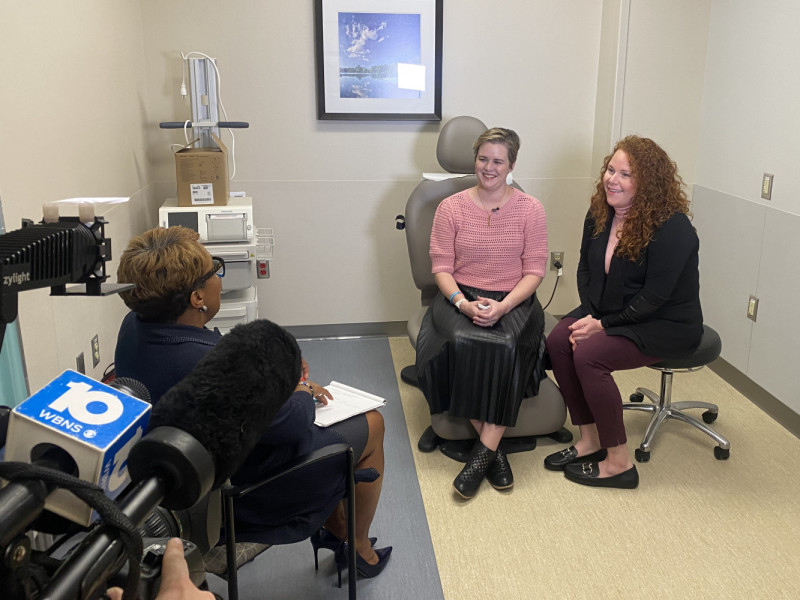
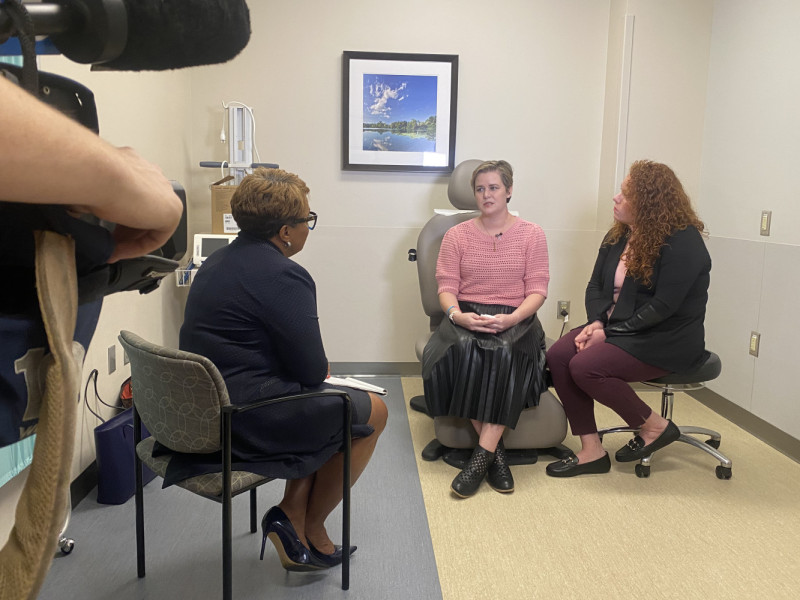
“I could feel a lump in my left breast,” Cousins told 10TV anchor Tracy Townsend. “I thought it was all just related to breastfeeding.”
But Dr. Tucker, who often addresses lactation-related complications, noticed something unusual.
“Usually, when you have something that's like an area of swelling, what someone might refer to as a clog, it’s just in one quadrant,” Dr. Tucker said. Knowing something wasn’t quite right, she recommended further testing and Cousins was diagnosed with stage 3 breast cancer.
The diagnosis hit hard, and Cousins’ biggest worry was how it would impact her children.
“I remember the only question my kids asked me was, ‘Are you going to die?’ Of course, I told them no,” she said.
Throughout her treatment, she focused on staying strong for her family. While the journey meant she could no longer breastfeed Cooper—a decision that was tough on Cousins—she found gratitude amid the struggle.
“It was stressful that I had to abruptly stop nursing my infant. That really stressed me out, that really hurt. It was very emotional, but now I’m just thankful,” she said.
Now cancer-free, Cousins wants her story to encourage others to stay vigilant about breast health, even if breastfeeding. Dr. Tucker also emphasizes that lactating individuals shouldn’t delay screenings due to concerns about breastfeeding.
“One thing people should know is that they don’t have to pump and dump following mammography, ultrasound, MRI or CT scan,” she said.
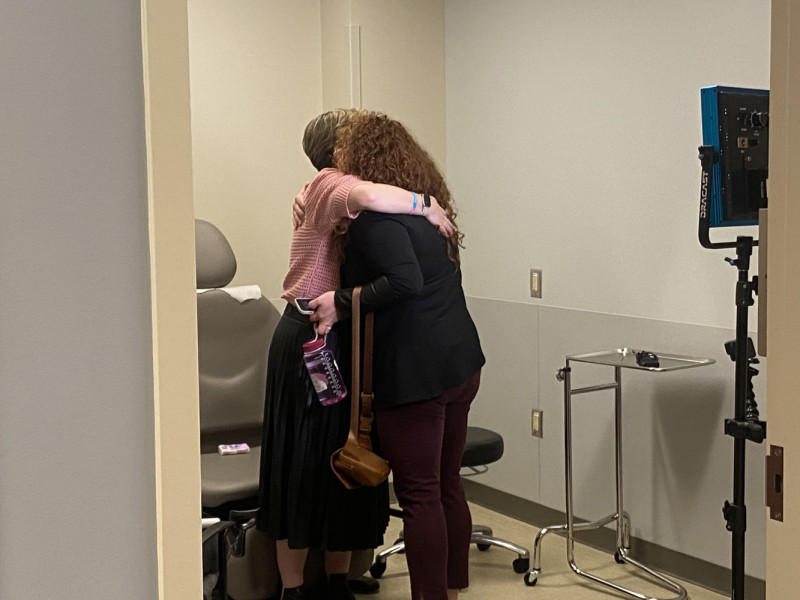
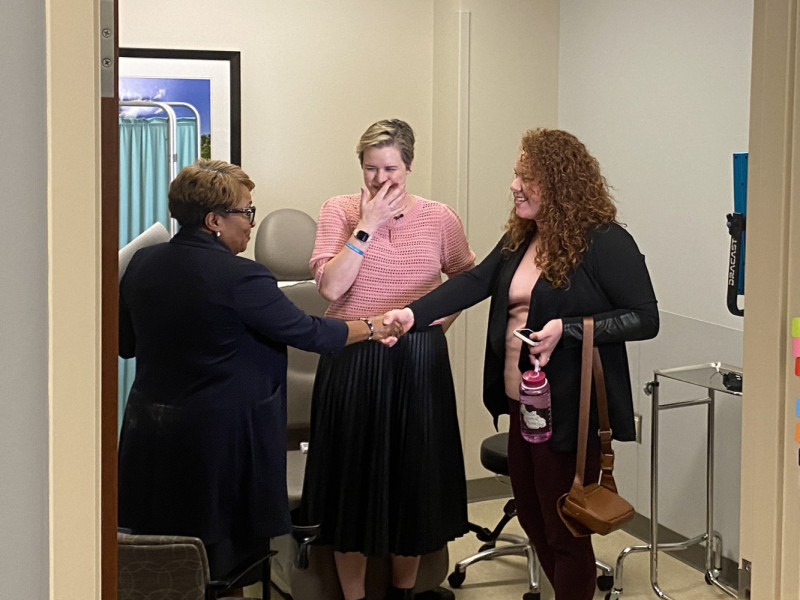
Today, Cousins and Dr. Tucker share a friendship that goes beyond the patient-provider relationship. Cousins hopes her experience can remind others to listen to their bodies, get checked out and not be afraid to ask questions.
OhioHealth recommends women follow the current National Comprehensive Cancer Network guidelines below. Mammography has proven to save lives through early detection.
- Screening mammogram beginning at age 40 for all women of average risk
- An annual clinical breast exam by a doctor
- Monthly breast self-awareness
- Specific mammogram screening guidelines can be discussed with your OhioHealth physician.
- Women should talk to their doctors about the screening that is right for their individual needs.
- Women at high risk for breast cancer may need more frequent or earlier mammogram screening.
To schedule an appointment or to learn more, click here.