Young Breast Cancer Survivor Embraces Motherhood with Twins
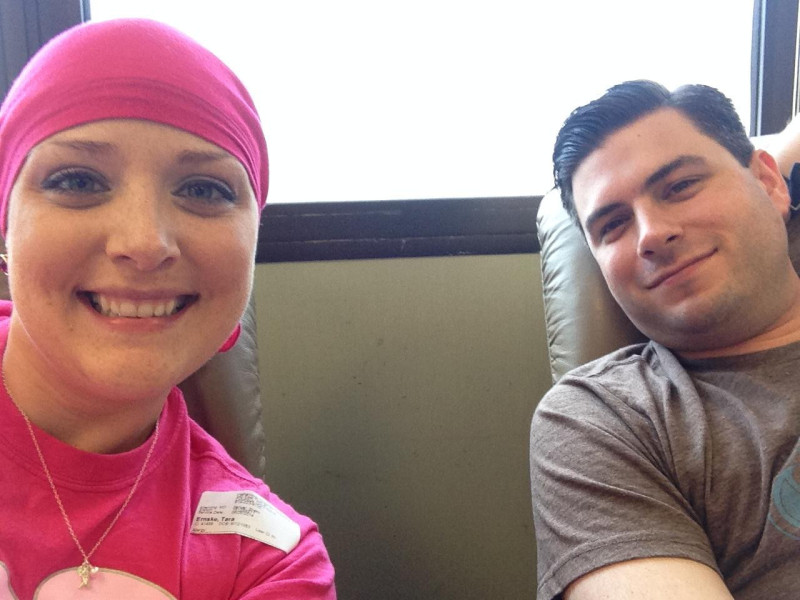
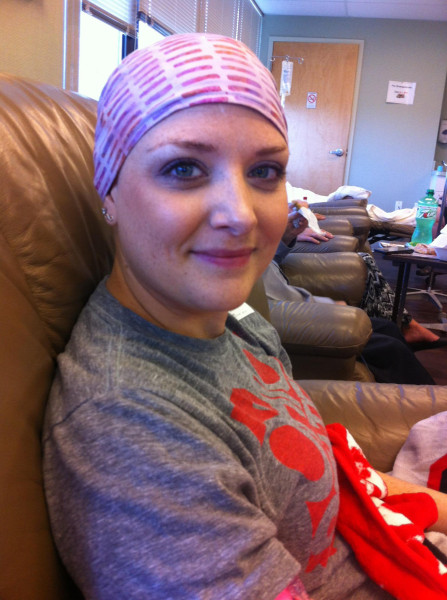
In 2014, at just 30 years old, Tara Ernske Squire received a life changing call from her doctor.
“I still vividly remember … Dr. Cripe giving me a call in the evening and just telling me it’s not what we expected it would be,” she told NBC4 reporter Samantha Bender.
Diagnosed with stage 1 breast cancer, Tara’s focus was on her immediate health, but Mark Cripe, DO, a breast surgeon with OhioHealth, encouraged her to consider her future as well.
At the time, starting a family had been the farthest thing from her mind. She was early in her relationship with her now-husband, John, and cancer wasn’t something she had anticipated facing so young. But Dr. Cripe presented her with the possibility of harvesting her eggs.
“In that moment, all I could think about was I wanted this cancer out of me,” Tara said. “But I was very, very happy that he was thinking about my future and wanted to at least give me that opportunity. Even if I decided not to use it, it would still be there.”
Dr. Cripe said that as more young women face breast cancer diagnoses, early discussions about fertility are becoming increasingly important.
“You have to not only figure out if you want to have kids, then you need to figure out what’s your insurance carrier going to cover,” Dr. Cripe said. “Then you need to go see a fertility specialist. It might take a while to put you into ovulation so then you can harvest eggs. So that might take a month or two until you get to surgery.”
The journey through IVF was not easy for Tara and John. After several failed attempts, the couple decided to implant two embryos. On their last try, they saw two heartbeats on the monitor – a moment they’ll never forget.
“John’s face, when we looked up at the monitor and he’s just like, ‘I know what that is,’” Tara said.
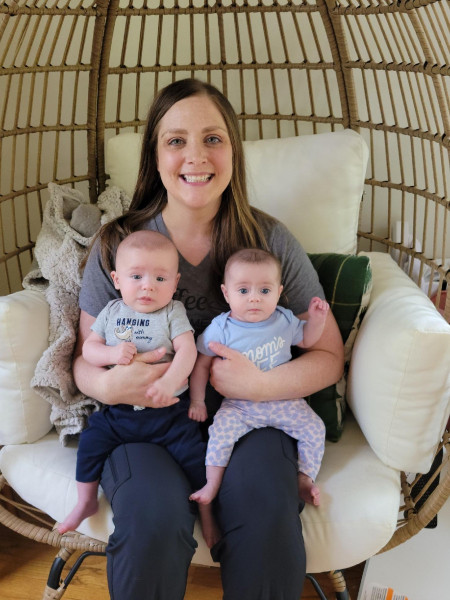
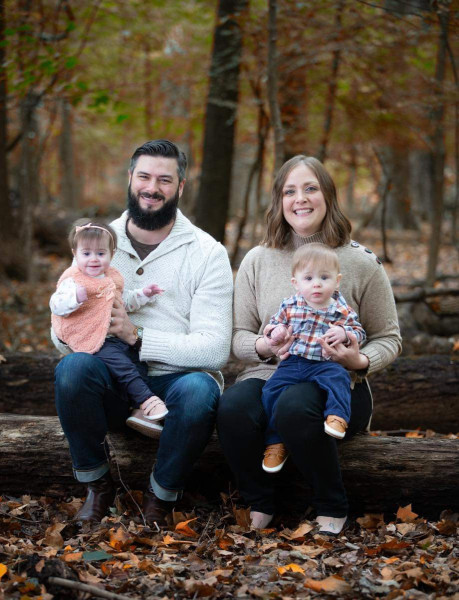
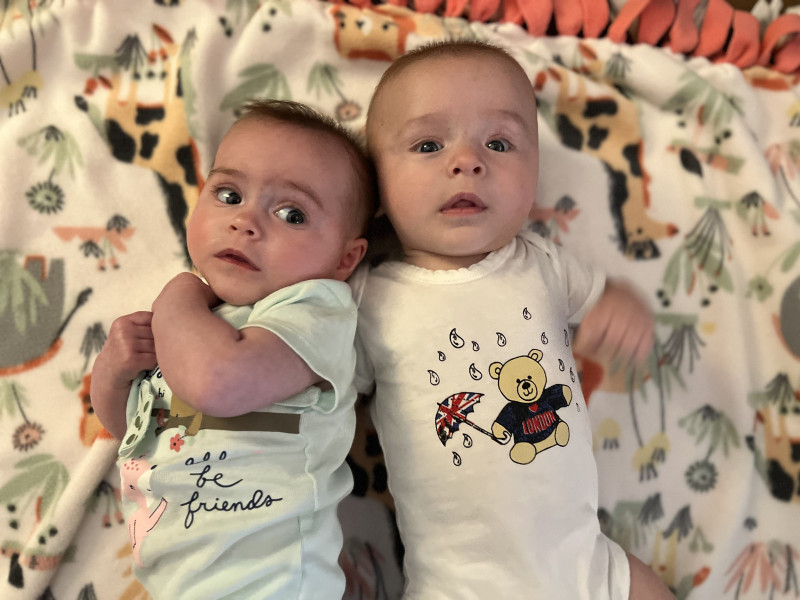
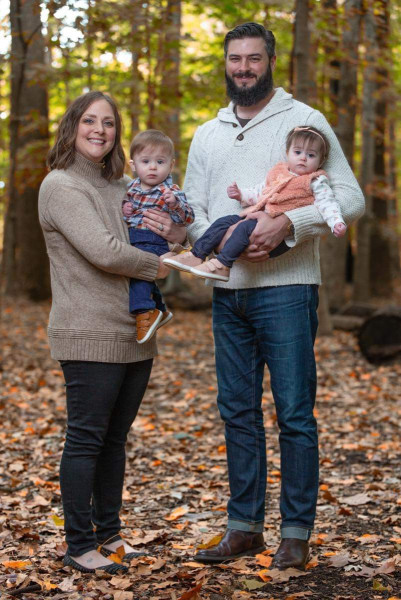
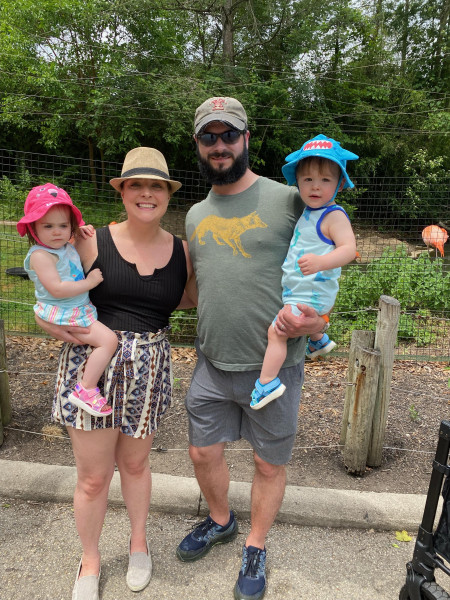
In February of 2024, their twins, Jack and Isabelle, were born. Tara now calls them her “miracle babies” and encourages other young women facing cancer to consider fertility preservation options, whether or not they’re currently planning a family.
“The big thing is usually chemotherapy, just because that’s going to shut down some of the ovarian function and make it a lower chance of getting pregnant,” Dr. Cripe said. “The younger the person, the more years that you could potentially be on treatment if they’re hormone receptor positive, and so we just have to think about all of those options and how we’re going to be changing that ability to get pregnant in the future.”
Now working as a practice administrator at the OhioHealth breast surgery clinic alongside Dr. Cripe, Tara’s role goes beyond her personal journey. She provides support and connection for others navigating similar paths.
“They’re at the beginning and I’m at the end,” she said. “It’s just wonderful for them to see there is a light at the end of the tunnel.”
To learn more about OhioHealth’s Breast Cancer Care, click here.